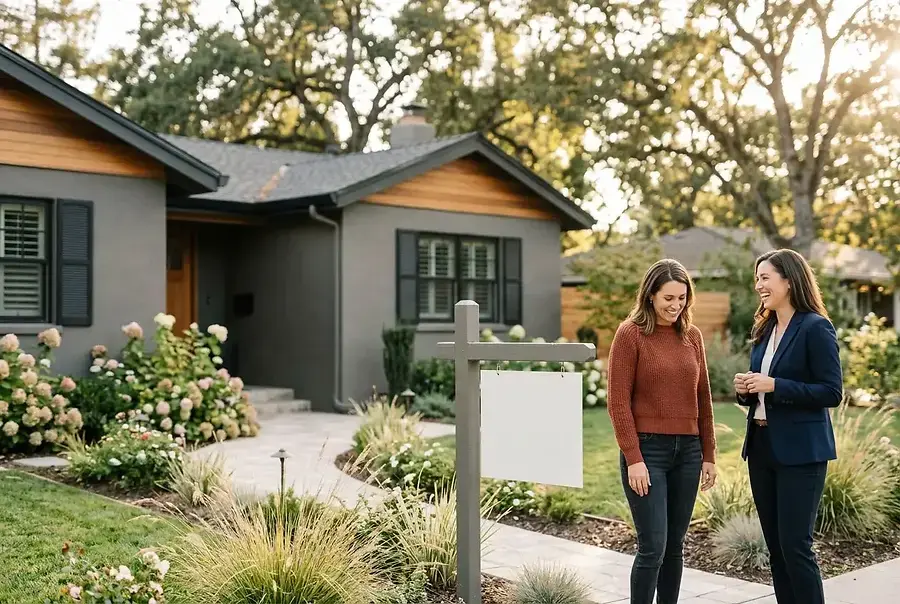
Introduction: Why Timing Matters in Your Home Sale
Selling a home is one of the most significant financial decisions you'll make. The difference between a smooth, profitable sale and a stressful, prolonged process often comes down to strategic timing and preparation. Understanding the complete timeline from initial preparation to closing day empowers you to make informed decisions, avoid costly mistakes, and ultimately achieve better results.
Whether you're a first-time seller or a seasoned homeowner, having a clear roadmap of what to expect—and when to expect it—transforms the selling process from overwhelming to manageable. This guide breaks down the home selling journey into distinct phases, each with specific objectives and timelines.
Phase 1: Pre-Listing Preparation and Property Assessment
Evaluate Your Home's Market Position
Before listing your property, conduct a thorough assessment of your home's current condition and market value. This phase typically takes 2-4 weeks and involves several critical steps:
- Professional home inspection: Identify any issues that could affect your sale price or buyer confidence
- Comparative market analysis: Research similar properties in your area to determine competitive pricing
- Appraisal review: Understand what lenders will value your property at
Make Strategic Repairs and Improvements
Not all repairs are created equal. Focus on high-impact improvements that increase buyer appeal and property value:
- Curb appeal enhancements (landscaping, fresh paint, new front door)
- Kitchen and bathroom updates (these rooms significantly influence buyer decisions)
- Critical structural or safety repairs
- Fresh paint in neutral colors throughout
Pro Tip: Avoid over-personalizing your home. Buyers want to envision their own style in the space, so neutral décor and minimal personal items work best.
Prepare Documentation and Disclosures
Gather all necessary paperwork during this phase to streamline the selling process later. This includes:
- Property deed and title documents
- Home inspection reports and repair receipts
- Utility bills and HOA documentation
- Warranty information for appliances and systems
- Required disclosure forms for your state
Phase 2: Marketing Strategy, Showings, and Offer Review
List Your Property Strategically
Once your home is ready, professional listing is crucial. This phase typically spans 4-12 weeks, though timelines vary based on market conditions and pricing strategy. Key elements include:
- Professional photography and videography: High-quality visuals are the first impression potential buyers have
- Compelling listing description: Highlight unique features and benefits, not just specifications
- Strategic pricing: Work with your agent to price competitively without leaving money on the table
- Multi-channel marketing: Ensure your listing appears on major real estate platforms, social media, and local networks
Manage Showings and Open Houses
Once listed, prepare for buyer activity. First showings typically occur within the first week, with peak activity in the first 2-3 weeks. To maximize showings:
- Keep your home clean and staged at all times
- Be flexible with showing schedules
- Remove personal items and minimize clutter
- Ensure good lighting and pleasant scents throughout
- Consider hosting open houses to generate interest
Evaluate and Negotiate Offers
When offers arrive, don't automatically accept the highest number. Consider the complete package:
- Offer price: The stated purchase amount
- Contingencies: Inspection, appraisal, and financing conditions
- Earnest money: The deposit showing buyer commitment
- Timeline: Closing date and inspection period length
- Buyer profile: Pre-approved buyers with fewer contingencies are lower risk
Remember: A slightly lower offer with fewer contingencies and a faster closing may be preferable to a higher offer with multiple conditions and extended timelines.
Navigate Inspections and Appraisals
After accepting an offer, the buyer typically has 7-10 days for inspection and the lender orders an appraisal. During this period:
- Be prepared to address inspection findings through repairs or credits
- Ensure the appraisal supports the agreed purchase price
- Maintain open communication with the buyer's agent
- Document any repairs or improvements made
Conclusion: Executing Your Timeline for Maximum Success
The home selling process, from initial preparation to closing, typically spans 8-16 weeks, though this varies based on market conditions, property condition, and pricing strategy. Success requires attention to detail at every phase.
Key takeaways for executing your timeline effectively:
- Invest time in pre-listing preparation—it pays dividends in faster sales and better prices
- Price strategically based on market data, not emotion
- Market aggressively in the first 2-3 weeks when buyer interest peaks
- Evaluate offers holistically, not just on price
- Maintain flexibility and clear communication throughout the process
- Work with experienced professionals who understand your local market
By understanding each phase of the home selling timeline and preparing accordingly, you transform the process from a source of stress into a strategic business transaction. The effort you invest upfront in preparation and marketing directly correlates with your final sale price and the speed of your closing. Start today, follow this timeline, and position yourself for maximum success.