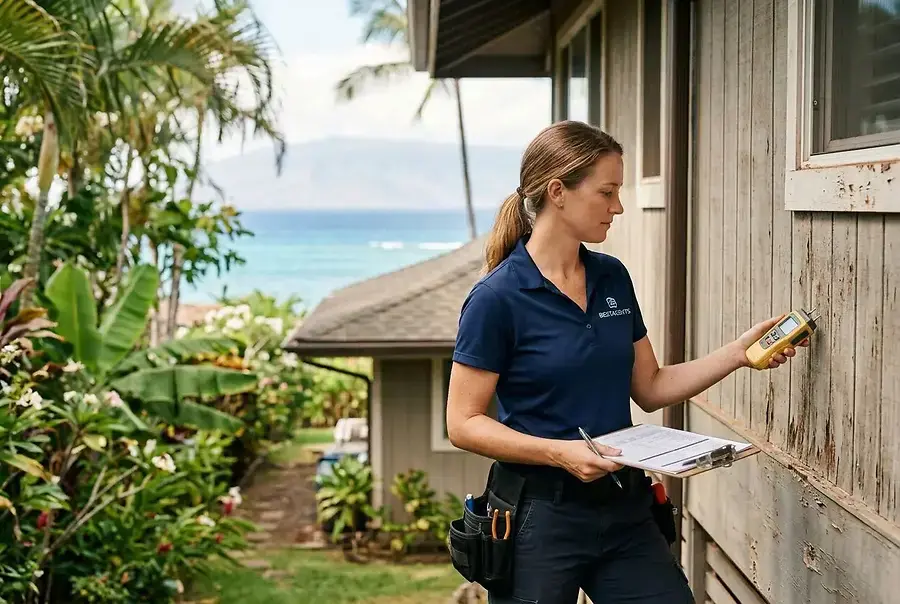
Why Home Inspections Matter in Lahaina's Unique Climate
Purchasing a home in Lahaina is an exciting investment, but the island's distinctive climate presents unique challenges that differ significantly from mainland properties. A thorough home inspection is not just recommended—it's essential for protecting your investment and understanding what you're truly buying.
Lahaina's tropical environment, with its salt air, intense sun exposure, and occasional moisture issues, can accelerate wear and tear on homes in ways that buyers from other regions might not anticipate. Professional inspectors understand these local conditions and know exactly what to look for when evaluating properties in this area.
Beyond the obvious structural concerns, inspections help you understand the true condition of systems like plumbing, electrical, and HVAC—all of which can be affected by the island's climate. An investment in a professional inspection today can save you thousands in unexpected repairs tomorrow.
Key Areas Inspectors Examine: Salt Air, Moisture, and Structural Concerns
Salt Air Damage and Corrosion
One of the most significant factors in Lahaina is salt air corrosion. Inspectors carefully examine:
- Metal fixtures, railings, and outdoor structures for rust and deterioration
- Air conditioning units and their copper components
- Electrical panels and wiring connections
- Plumbing fixtures and water supply lines
Salt air can compromise these elements much faster than in mainland climates, making regular assessment critical.
Moisture and Mold Issues
Lahaina's humidity creates an environment where moisture problems can develop quickly. Professional inspectors look for:
- Water stains on ceilings, walls, and foundations
- Signs of mold or mildew in bathrooms, kitchens, and crawl spaces
- Roof leaks and gutter conditions
- Foundation cracks that allow water infiltration
- Proper drainage around the property's perimeter
Moisture problems are often hidden behind walls and under flooring, so inspectors use specialized equipment like moisture meters and thermal imaging to detect issues before they become major problems.
Structural and Foundation Assessment
The volcanic rock foundation common in Lahaina properties requires special attention. Inspectors evaluate:
- Foundation cracks and settlement patterns
- Roof condition and age of roofing materials
- Wall integrity and signs of shifting or settling
- Window and door frames for proper sealing
- Lanai and deck structural integrity
Red Flags to Watch For and What They Mean for Your Purchase
Major Concerns That Require Immediate Attention
Certain inspection findings should raise serious concerns:
- Active mold growth: This indicates ongoing moisture problems and potential health hazards. Remediation can be expensive and complex.
- Foundation cracks: Depending on severity, these could indicate structural issues requiring professional engineering assessment.
- Roof damage or age: Roofs in Lahaina's climate typically last 15-20 years. Replacement costs can exceed $10,000-$20,000.
- Corroded electrical or plumbing systems: These may require complete replacement, which is costly and disruptive.
- Evidence of previous water damage: This suggests the property has moisture vulnerabilities that need addressing.
Minor Issues and Maintenance Concerns
Not all inspection findings are deal-breakers. Minor issues like worn caulking, aging fixtures, or cosmetic damage are often normal for older homes and can be addressed through negotiation or future maintenance planning.
The key is understanding which issues are cosmetic and which indicate deeper problems requiring professional remediation.
Using Inspection Results to Negotiate Better Terms and Protect Your Investment
Leverage Your Inspection Report
A comprehensive inspection report is your most powerful negotiating tool. Here's how to use it effectively:
- Request repair estimates: Obtain quotes from licensed contractors for any significant issues found. Use these to support your negotiation requests.
- Prioritize your concerns: Focus negotiations on major issues rather than minor cosmetic problems. Sellers are more likely to address structural or safety concerns.
- Ask for seller credits: Rather than requesting repairs, you might negotiate a credit toward closing costs to handle repairs yourself.
- Request re-inspection: For major repairs, negotiate the right to have a follow-up inspection to verify work was completed properly.
Protecting Your Long-Term Investment
Beyond negotiation, use inspection findings to plan for future maintenance:
- Budget for upcoming replacements like roofing or HVAC systems
- Implement preventative maintenance for salt air corrosion issues
- Address moisture concerns immediately to prevent mold development
- Schedule regular professional inspections every 3-5 years
A thorough understanding of your property's condition empowers you to make informed decisions and protect your investment for years to come.
Working with Local Professionals
Choose inspectors who have specific experience with Lahaina properties and understand the local climate challenges. They'll provide insights that generic inspectors might miss and help you understand the true cost of ownership in this unique environment.
Your inspection report isn't just a document—it's a roadmap for your home ownership journey in Lahaina. Use it wisely to negotiate better terms, plan for maintenance, and protect one of your most significant investments.