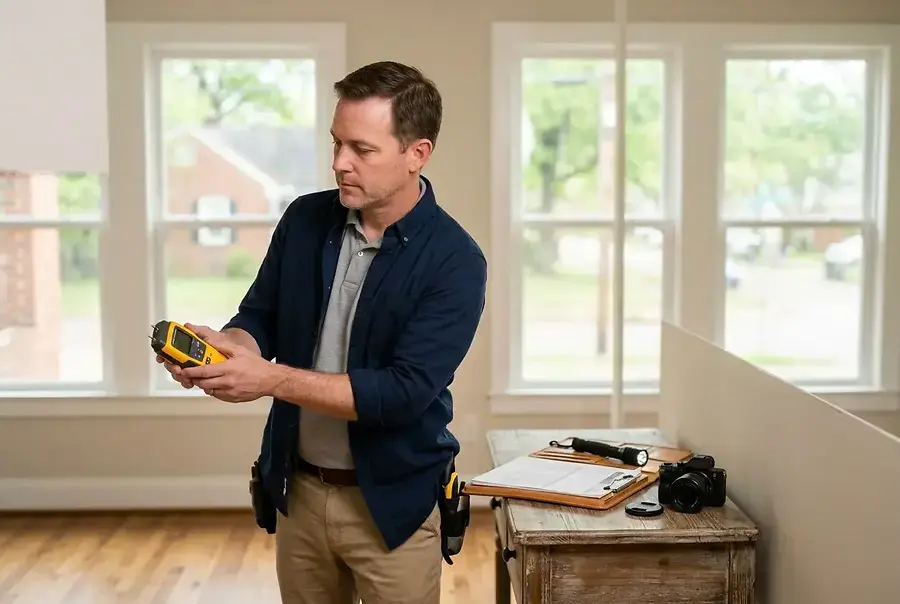
Why Home Inspections Matter in Memphis
Purchasing a home is one of the most significant financial decisions you'll make in your lifetime. In Memphis, where the real estate market is competitive and diverse, a professional home inspection serves as your critical safeguard against hidden defects and costly repairs. A thorough inspection provides you with detailed knowledge about your potential property's condition before you commit to the purchase.
Home inspections protect your investment by identifying structural issues, mechanical failures, and safety hazards that might not be visible during a casual walkthrough. Without this essential step, you could inherit expensive problems such as foundation damage, electrical issues, or plumbing failures that could cost thousands of dollars to repair.
Common Issues Found in Memphis Residential Properties
Moisture and Water Damage
Memphis's humid subtropical climate creates unique challenges for homeowners. Water intrusion and moisture damage are among the most frequently discovered issues in local inspections. This includes:
- Roof leaks and deteriorated shingles
- Foundation cracks allowing water seepage
- Basement flooding and poor drainage systems
- Damaged or missing gutters and downspouts
HVAC System Concerns
The heating and cooling systems in Memphis homes work overtime due to the region's climate extremes. Inspectors frequently find aging air conditioning units, inadequate maintenance, and inefficient heating systems. These systems often require replacement or significant repairs, representing substantial expenses for new homeowners.
Electrical and Plumbing Issues
Older Memphis properties commonly have outdated electrical systems that don't meet current safety standards. Additionally, galvanized or corroded plumbing pipes can lead to water quality issues and leaks. Modern code requirements often necessitate upgrades to these systems.
Structural and Foundation Problems
Memphis's soil composition and climate can contribute to foundation settling and structural movement. Inspectors look for:
- Cracks in foundation walls and concrete slabs
- Uneven floors and sloping ceilings
- Bowing or deteriorating basement walls
- Signs of previous water damage or repairs
What to Expect During the Inspection Process
Pre-Inspection Preparation
Before your inspector arrives, ensure that all areas of the home are accessible. This includes attics, basements, crawl spaces, and utility areas. Provide the inspector with any documentation about previous repairs, renovations, or known issues. This transparency helps create a more accurate assessment.
The Inspection Timeline
A comprehensive home inspection typically takes two to four hours, depending on the property's size and age. The inspector will systematically examine every major system and component, including the roof, foundation, plumbing, electrical, HVAC, and interior features.
What Gets Inspected
Professional inspectors evaluate:
- Structural integrity and foundation condition
- Roofing materials and condition
- Exterior walls, windows, and doors
- Plumbing systems and water quality
- Electrical systems and safety features
- HVAC systems and efficiency
- Interior walls, ceilings, and floors
- Appliances and built-in systems
The Inspection Report
After the inspection, you'll receive a detailed report documenting findings, photographs, and recommendations. This report categorizes issues by severity—from minor cosmetic concerns to major structural problems requiring immediate attention. Review this report carefully and ask your inspector to clarify any findings you don't understand.
Using Inspection Results to Negotiate and Close Your Deal
Prioritizing Issues
Not all inspection findings require negotiation. Focus on significant issues that affect safety, functionality, or long-term value. Major concerns like foundation damage, roof replacement needs, or electrical hazards carry more weight than minor cosmetic issues.
Negotiation Strategies
Armed with your inspection report, you have several options:
- Request repairs: Ask the seller to fix critical issues before closing
- Request credits: Negotiate a price reduction to cover repair costs yourself
- Request inspections: Ask for specialized inspections on specific systems
- Walk away: Use inspection results to terminate the contract if issues are severe
Getting Specialized Inspections
If the general inspection reveals concerns about specific systems, consider hiring specialists. Pest inspections, radon testing, mold assessments, and structural engineering evaluations provide deeper insights into particular problems and help you make informed decisions.
Closing with Confidence
Use your inspection findings to establish realistic expectations about your new home's condition. Budget for necessary repairs and maintenance, and ensure all agreed-upon repairs are completed before closing. A final walk-through inspection confirms that negotiated repairs were completed satisfactorily.
Making Informed Decisions as a Memphis Homebuyer
Home inspections empower you to make educated decisions about one of life's largest purchases. By understanding common Memphis property issues, knowing what to expect during the inspection process, and leveraging inspection results effectively, you protect your investment and avoid costly surprises.
Remember: A thorough home inspection is not an expense—it's an investment in your peace of mind and financial security.
Whether you're a first-time homebuyer or an experienced investor, prioritizing a professional home inspection ensures you're making the best possible decision for your Memphis home purchase. Take the time to understand the inspection process, ask questions, and use the results to negotiate confidently toward closing day.