Understanding Safety Metrics and What They Mean for Your Family
When searching for a new home, safety is often the top priority for families. But what exactly makes a neighborhood safe? Understanding the metrics behind safety ratings helps you make informed decisions about where to raise your family.
Safety metrics typically include crime statistics, police response times, neighborhood watch programs, and community engagement levels. Violent crime rates, property crime rates, and overall incident reports form the foundation of most safety assessments. Additionally, factors like street lighting, traffic patterns, and the presence of community policing initiatives play significant roles in creating secure environments.
It's important to recognize that safety is multifaceted. A neighborhood might have low crime statistics but lack community cohesion, or it might have excellent street design but limited police presence. The safest communities balance statistical data with active community involvement and well-maintained infrastructure.
Top-Rated Safe Neighborhoods: Hoover, Vestavia Hills, Mountain Brook, and Beyond
Hoover: The Largest Safe Suburb
Hoover stands as one of Greater Birmingham's most popular and safest communities. With a population exceeding 85,000, this suburb maintains impressive crime statistics well below national averages. Hoover's success stems from its comprehensive police department, active neighborhood associations, and strong community engagement.
The city's diverse neighborhoods offer something for everyone, from established residential areas to newer developments. Hoover's strategic location provides easy access to shopping, dining, and employment centers while maintaining a suburban feel.
Vestavia Hills: Upscale Safety and Charm
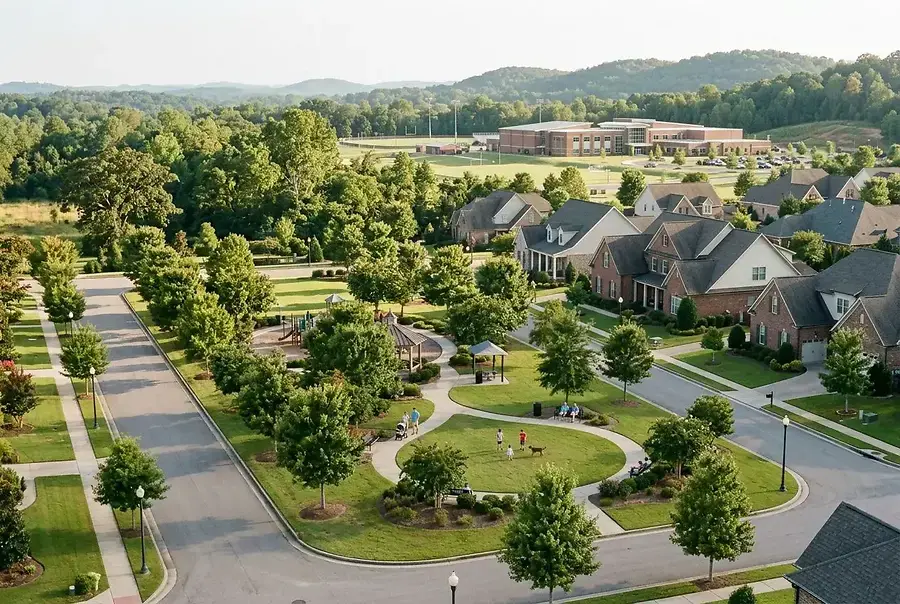
Nestled in the foothills, Vestavia Hills combines natural beauty with exceptional safety. This upscale community features tree-lined streets, well-maintained properties, and a strong sense of neighborhood pride. Residents benefit from a dedicated police force and community programs that emphasize prevention and education.
The neighborhood's architectural character and commitment to preserving green spaces create an inviting atmosphere. Vestavia Hills attracts families seeking both safety and aesthetic appeal.
Mountain Brook: Prestige and Protection
Mountain Brook represents one of the region's most prestigious addresses, known for its rolling estates and exceptional safety record. This gated community atmosphere, combined with active security measures and neighborhood oversight, creates one of the safest environments in Greater Birmingham.
The community's commitment to maintaining high standards extends to infrastructure, property maintenance, and community services. Mountain Brook's residents enjoy peace of mind alongside luxury living.
Other Notable Safe Communities
Beyond these three flagship neighborhoods, several other communities deserve consideration:
- Homewood: A charming, walkable community with strong neighborhood associations and low crime rates
- Trussville: A growing suburb offering family-friendly amenities and improving safety metrics
- Cahaba Heights: A quiet, established neighborhood with excellent schools and community engagement
- Irondale: An affordable option with improving infrastructure and community programs
Schools, Parks, and Community Features That Define These Neighborhoods
Educational Excellence
Safe neighborhoods typically feature strong school systems, which serve as community anchors. Hoover City Schools consistently rank among Alabama's best, offering comprehensive curricula, advanced placement programs, and strong extracurricular activities. Vestavia Hills and Mountain Brook residents benefit from excellent school options, including both public and private institutions.
Quality schools do more than educate—they create gathering places for families and strengthen community bonds. Schools host events, sports programs, and volunteer opportunities that build neighborhood connections.
Parks and Recreation
Well-maintained parks indicate community investment and provide safe spaces for families to gather. These neighborhoods feature:
- Extensive trail systems for walking and biking
- Playgrounds with modern safety equipment
- Sports facilities including tennis courts and athletic fields
- Community centers offering classes and programs
- Green spaces for relaxation and outdoor activities
Community Features and Amenities
Beyond schools and parks, thriving safe neighborhoods offer diverse amenities. Shopping districts, restaurants, libraries, and cultural venues create vibrant communities where residents can meet their daily needs locally. Farmers markets, community events, and neighborhood festivals foster connections among residents.
These amenities serve practical purposes while also strengthening the social fabric that makes neighborhoods safe. When people know their neighbors and spend time in shared spaces, community safety naturally improves.
Making Your Decision: How to Evaluate Safety and Lifestyle Fit for Your Home
Research Beyond the Statistics
While crime statistics provide important baseline information, visiting neighborhoods at different times of day offers valuable insights. Walk the streets, observe community activity, and talk with residents. Notice street conditions, lighting, and overall maintenance levels.
Assess Your Family's Needs
Consider what matters most to your family. Do you prioritize excellent schools? Are parks and recreation important? Do you need proximity to employment centers? Different neighborhoods excel in different areas, and the safest community is one that also fits your lifestyle.
Connect with Local Resources
Contact local police departments, school districts, and neighborhood associations. These organizations provide valuable information about community initiatives, safety programs, and neighborhood character. Many neighborhoods offer welcome packets and community tours for prospective residents.
Consider Long-Term Value
Safe neighborhoods with strong schools and community features typically maintain property values better than less stable areas. Your home is likely your largest investment—choosing a neighborhood with strong fundamentals protects that investment while providing a secure environment for your family.
Trust Your Instincts
After gathering data and visiting neighborhoods, trust your gut feeling. The best neighborhood combines safety statistics with a feeling of community, welcoming atmosphere, and alignment with your family's values and lifestyle preferences.
The safest neighborhoods aren't just statistically secure—they're places where residents actively invest in their community and care about their neighbors.
Greater Birmingham's safest communities offer families the peace of mind they deserve while providing excellent schools, parks, and amenities. Whether you choose Hoover's diversity, Vestavia Hills' charm, Mountain Brook's prestige, or another thriving neighborhood, you'll find communities where safety and quality of life go hand in hand.
