Why Home Inspections Matter in Philadelphia Real Estate
Purchasing a home is one of the most significant financial decisions you'll make. In Philadelphia's competitive real estate market, a thorough home inspection can be the difference between finding your dream home and inheriting a money pit. Home inspections provide an objective assessment of a property's condition, revealing hidden problems that could cost thousands to repair.
Philadelphia's diverse housing stock—from historic row homes to modern condos—requires specialized inspection knowledge. Many older properties contain issues specific to their age and construction methods. A qualified inspector understands these nuances and can identify problems that untrained eyes might miss.
Understanding the Philadelphia Home Inspection Process and Timeline
What to Expect During an Inspection
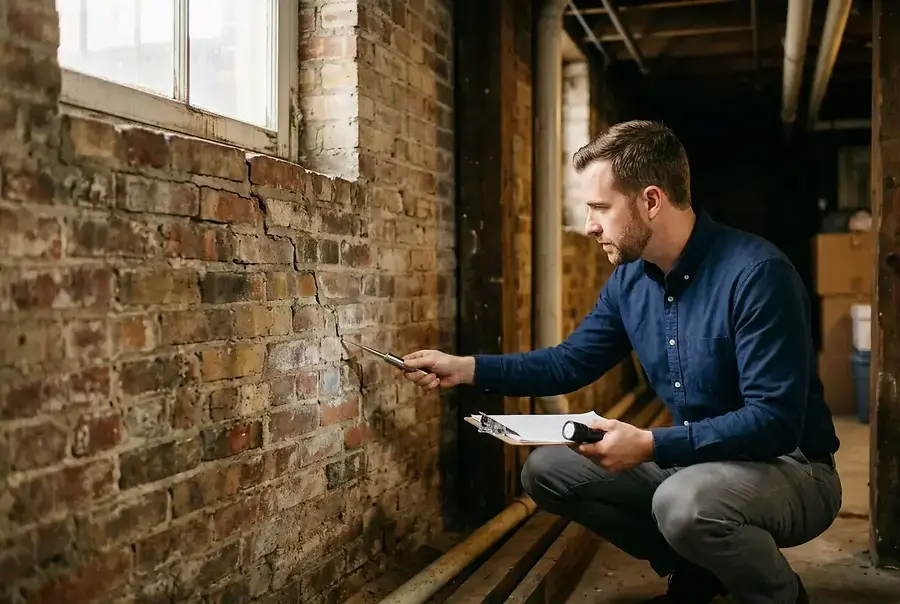
A standard home inspection typically lasts 2-3 hours, depending on the property's size and age. The inspector will systematically evaluate every major system and component of the home. You should always be present during the inspection to ask questions and understand the findings firsthand.
The inspector will examine:
- Roof condition and flashing
- Exterior walls and foundation
- Windows and doors
- Interior walls and ceilings
- Plumbing systems
- Electrical systems
- HVAC systems
- Appliances
- Attic and basement spaces
Timeline and Next Steps
Most inspection contingencies in Philadelphia contracts allow 7-10 days for the inspection and review period. After the inspection, you'll receive a detailed report within 24-48 hours. This report becomes your roadmap for negotiation and decision-making.
Key Areas Inspectors Evaluate: Foundation, Plumbing, Electrical, and HVAC Systems
Foundation and Structural Integrity
Philadelphia's older homes often have foundation concerns due to age and soil conditions. Inspectors look for cracks, settling, water intrusion, and structural movement. Horizontal cracks are more serious than vertical ones, as they indicate structural stress. Foundation repairs can be expensive, making this a critical evaluation area.
Plumbing Systems
Water damage is a leading cause of costly repairs in Philadelphia properties. Inspectors test water pressure, check for leaks, and assess pipe materials. Older homes may have outdated galvanized or lead pipes, which pose health risks and may require replacement. Sewer line issues are also common in older neighborhoods and can cost $10,000 or more to repair.
Electrical Systems
Electrical safety is paramount. Inspectors verify that the electrical panel is properly grounded, check for outdated wiring, and ensure outlets are properly installed. Knob-and-tube wiring, found in many older Philadelphia homes, is a fire hazard and should be replaced. Insufficient electrical capacity for modern living is another common issue in historic properties.
HVAC Systems
Heating and cooling systems are essential for comfort and safety. Inspectors evaluate furnace and air conditioning unit age, efficiency, and functionality. In Philadelphia's climate, a reliable heating system is non-negotiable. Replacement costs can range from $5,000 to $15,000, so understanding the system's condition is crucial.
Red Flags to Watch For and How to Negotiate After Inspection Results
Major Red Flags
Certain findings should trigger serious concern:
- Foundation cracks or settling – Indicates structural problems requiring professional evaluation
- Water damage or mold – Suggests moisture intrusion and potential health hazards
- Outdated electrical systems – Safety risk and expensive to upgrade
- Failing roof – Imminent replacement needed, costing $8,000-$20,000+
- Plumbing issues – Leaks, low water pressure, or sewer line problems
- HVAC system failure – Immediate replacement required
Negotiation Strategies
After receiving inspection results, you have several options. Request repairs from the seller for significant issues. Alternatively, ask for a price reduction to cover repair costs yourself. Some sellers prefer credits at closing rather than making repairs.
Pro Tip: Obtain repair estimates from licensed contractors before negotiating. Specific numbers strengthen your position and demonstrate you've done your homework.
For minor issues, decide whether they're worth negotiating. Focusing on major structural, safety, and system concerns yields better results than requesting fixes for cosmetic problems.
Using Inspection Findings to Make Confident Purchasing Decisions
A home inspection report isn't meant to scare you away from a property—it's meant to inform your decision. Every home has some issues; the question is whether those issues are manageable and whether the price reflects the property's true condition.
Consider the inspection results in context:
- Is this a deal-breaker issue or a manageable repair?
- Does the purchase price account for necessary repairs?
- Are you prepared financially for the identified repairs?
- Would you be comfortable living with these issues if negotiations fail?
Philadelphia's real estate market offers tremendous opportunities for smart buyers. By understanding the inspection process, knowing what to look for, and using inspection findings strategically, you can make confident purchasing decisions that protect your investment and your family's safety. Don't skip the inspection—it's the most important step in the buying process.