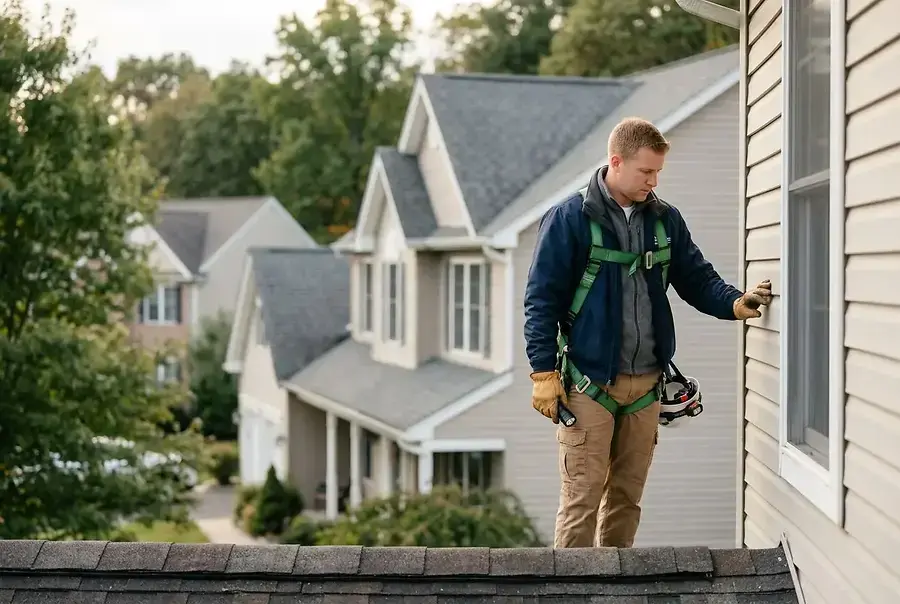
Introduction: Why Home Inspections Matter in Sparta, NJ
Purchasing a home is one of the most significant financial decisions you'll make in your lifetime. In Sparta, New Jersey's competitive real estate market, a professional home inspection serves as your critical safeguard against costly surprises after closing. A thorough inspection provides you with detailed knowledge about your potential property's condition, helping you make informed decisions and negotiate effectively with sellers.
Home inspections are not just a formality—they're an investment in your peace of mind. Whether you're a first-time buyer or an experienced homeowner, understanding what inspectors evaluate can help you ask the right questions and identify potential issues before they become expensive problems.
Key Areas Professional Inspectors Evaluate in Residential Properties
Structural Integrity and Foundation
Professional inspectors begin by examining the home's foundation and structural components. They look for signs of settling, cracks, water damage, and structural movement. In Sparta, where many homes have been built over several decades, foundation issues can vary significantly. Inspectors will assess basement walls, crawl spaces, and the overall stability of the structure to ensure it will support the home for years to come.
Roofing and Exterior Systems
The roof is your home's first line of defense against the elements. Inspectors evaluate:
- Shingle condition and remaining lifespan
- Flashing and sealant integrity
- Gutters and downspout functionality
- Exterior siding, trim, and paint condition
- Windows and door seals
New Jersey's weather patterns, including heavy snow and rain, make roof inspection particularly important in Sparta homes.
Plumbing Systems
Inspectors test water pressure, check for leaks, and evaluate the condition of pipes throughout the home. They examine:
- Water supply lines and shut-off valves
- Drain and waste systems
- Water heater age and condition
- Fixtures for proper function
- Signs of corrosion or mineral buildup
Older Sparta homes may have outdated plumbing that requires upgrades or replacement.
Electrical Systems
A comprehensive electrical inspection ensures your home meets current safety standards. Inspectors evaluate the main panel, circuit breakers, wiring, outlets, and grounding. They check for outdated systems like aluminum wiring or insufficient grounding, which are common concerns in older New Jersey homes.
HVAC and Climate Control
Heating, ventilation, and air conditioning systems are tested for proper operation and efficiency. Inspectors assess furnace or boiler condition, air conditioning capacity, ductwork integrity, and thermostat functionality. Given Sparta's seasonal temperature variations, a well-maintained HVAC system is essential.
Interior Components and Safety Features
Inspectors examine interior walls, ceilings, floors, and insulation. They verify that smoke detectors, carbon monoxide detectors, and fire extinguishers are present and functional. They also check for signs of pest infestation, mold, or water damage that might indicate larger problems.
Red Flags and Common Issues Found in Sparta Homes
Water Damage and Moisture Issues
Water intrusion is one of the most common problems found in Sparta homes. Basements and crawl spaces are particularly vulnerable to moisture problems, especially in properties near water sources or in areas with poor drainage. Look for staining, efflorescence, or musty odors during inspections.
Outdated Electrical Systems
Many older Sparta homes still have outdated electrical systems that cannot safely handle modern power demands. Aluminum wiring, insufficient grounding, and inadequate circuit capacity are red flags that may require professional upgrades before you move in.
Roof Age and Deterioration
Asphalt shingle roofs typically last 15-20 years. If your inspection reveals a roof nearing the end of its lifespan, budget for replacement soon after purchase. This is a significant expense that should factor into your negotiation strategy.
HVAC System Age
Furnaces and air conditioning units have limited lifespans. Systems older than 15-20 years may be inefficient or on the verge of failure. Replacement costs can be substantial, making this an important negotiation point.
Plumbing Concerns
Older homes may have galvanized pipes that are corroded or polybutylene pipes that are prone to failure. These issues can affect water quality and require costly replacement.
Pest and Mold Presence
Termite damage, carpenter ants, and mold growth are serious concerns that require immediate professional attention. These issues can compromise structural integrity and pose health risks to your family.
Conclusion: Using Inspection Results to Negotiate and Secure Your Sparta Home
Once you receive your inspection report, you have several options. Use the findings to negotiate repairs or credits with the seller, request that major issues be fixed before closing, or adjust your offer price to account for necessary repairs. In Sparta's competitive market, a well-documented inspection report gives you leverage and protects your investment.
Don't view inspection issues as deal-breakers—view them as opportunities for negotiation. Many sellers are willing to address problems or provide credits rather than lose a sale. Work with your real estate agent and inspector to prioritize issues by severity and cost.
Remember, a professional home inspection is one of the best investments you can make when buying a home in Sparta, NJ. It provides clarity, confidence, and protection as you move forward with one of life's most important purchases. Take the time to understand the report, ask questions, and make informed decisions based on the inspector's findings.