Why Septic System Knowledge Matters in Belle Mead
For Belle Mead homeowners with septic systems, understanding how to properly maintain your system is crucial to protecting your property investment and ensuring your family's health and safety. Unlike homes connected to municipal sewer systems, septic system owners bear full responsibility for their system's operation and maintenance. A well-maintained septic system can last 25-30 years or more, while neglect can lead to costly repairs or complete system failure.
Many Belle Mead residents don't realize that their septic system requires regular attention and care. Without proper maintenance, you risk contaminating groundwater, damaging your property, and facing expensive emergency repairs. This guide will help you understand your septic system and take proactive steps to keep it functioning properly.
How Septic Systems Work: The Basics Every Homeowner Should Know
The Components of Your Septic System
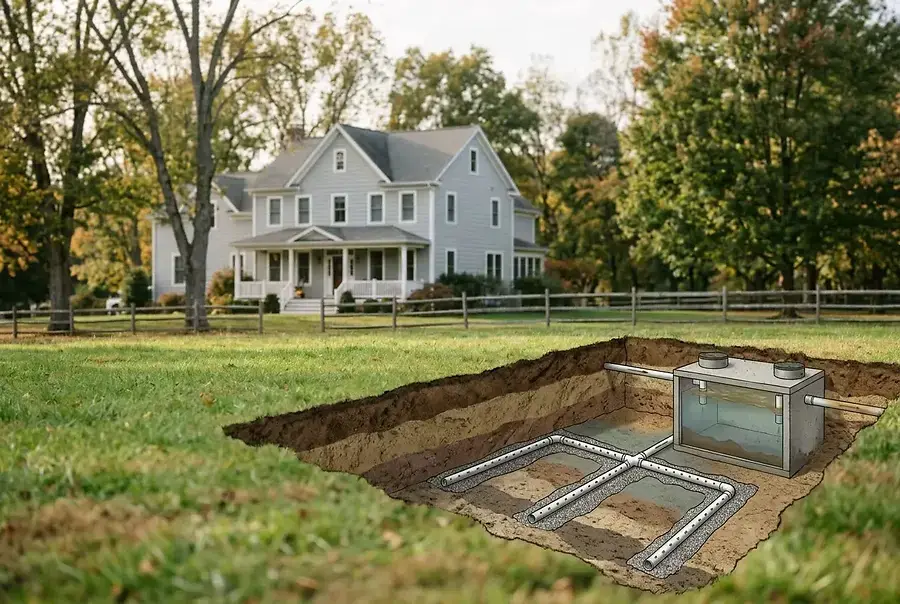
A typical septic system consists of three main components: the septic tank, the drain field (also called a leach field), and the soil surrounding the drain field. When wastewater leaves your home through drains and toilets, it flows into the septic tank, where solids settle to the bottom and oils and grease float to the top.
The Treatment Process
Inside the septic tank, bacteria naturally break down the solid waste over time. The partially treated liquid, called effluent, flows from the tank into the drain field, where it percolates through the soil. The soil acts as a natural filter, removing harmful bacteria and nutrients before the water reaches the groundwater table.
This natural treatment process is efficient and environmentally friendly when functioning properly. However, it requires the right balance of bacteria, proper tank capacity, and adequate drain field space to work effectively.
Maintenance Tips and Common Issues to Watch For
Essential Maintenance Practices
Regular maintenance is the key to extending your septic system's lifespan. Here are the most important steps you should take:
- Pump your tank regularly: Most septic tanks should be pumped every 3-5 years, depending on household size and usage. Regular pumping removes accumulated solids that bacteria cannot break down.
- Conserve water: Excessive water use can overload your system. Fix leaky toilets and faucets promptly, and spread out laundry loads throughout the week.
- Avoid flushing harmful items: Never flush paper towels, feminine hygiene products, wipes, or medications. These items don't break down and can clog your system.
- Limit chemical use: Harsh cleaning chemicals and antibacterial soaps can kill the beneficial bacteria in your tank. Use septic-safe products when possible.
- Protect your drain field: Don't drive or park vehicles over your drain field, and avoid planting trees or shrubs with deep roots nearby.
- Keep records: Document all maintenance and repairs to track your system's health and help with future troubleshooting.
Common Septic System Problems
Understanding common issues can help you catch problems early. Watch for these warning signs:
- Slow drains: If multiple drains in your home are slow, your tank may be full and need pumping.
- Foul odors: Unpleasant smells around your home or yard indicate a system problem that needs immediate attention.
- Wet spots or pooling water: These signs suggest your drain field is failing and may need repair or replacement.
- Lush patches in your yard: While grass may look greener over the drain field, unusually lush areas can indicate system failure.
- Sewage backups: This is a serious problem requiring immediate professional intervention.
Preventative Care Tips
Beyond regular pumping, you can take additional steps to keep your system healthy. Install a septic tank filter to prevent solids from entering the drain field. Use a lint trap on your washing machine to reduce the amount of debris entering your system. Consider having a professional inspection every 2-3 years to identify potential problems before they become expensive repairs.
When to Upgrade or Replace Your System and What to Expect
Signs Your System Needs Replacement
Even with excellent maintenance, septic systems eventually reach the end of their lifespan. Consider replacement if your system is more than 25-30 years old, experiences frequent backups despite regular pumping, or shows signs of drain field failure that cannot be repaired.
If you're planning to sell your home or significantly expand your household, upgrading to a newer system may be worthwhile. Modern septic systems are more efficient and environmentally friendly than older models.
What to Expect During Replacement
Septic system replacement is a significant project that typically costs between $3,000 and $25,000, depending on soil conditions, system size, and local regulations. The process involves:
- A professional site evaluation to determine the best system type and location
- Obtaining necessary permits from local health departments
- Excavation and removal of the old system
- Installation of the new tank and drain field
- System testing and inspection before use
Modern System Options
When replacing your system, you'll have several options. Conventional systems are the most affordable and work well in suitable soil conditions. Aerobic treatment units use oxygen to break down waste more efficiently and require less drain field space. Constructed wetland systems provide natural filtration and can be aesthetically pleasing. Consult with a septic professional to determine which option best suits your property and budget.
Conclusion
Proper septic system maintenance is an investment in your home's health, your family's safety, and your property's value. By understanding how your system works, following maintenance best practices, and addressing problems promptly, you can extend your system's lifespan and avoid costly emergencies. When the time comes for replacement, you'll be prepared to make an informed decision about the best option for your Belle Mead home.
Remember: a well-maintained septic system is a reliable septic system. Don't wait for problems to develop—start your maintenance routine today.