Why Home Inspections Matter in Allen's Real Estate Market
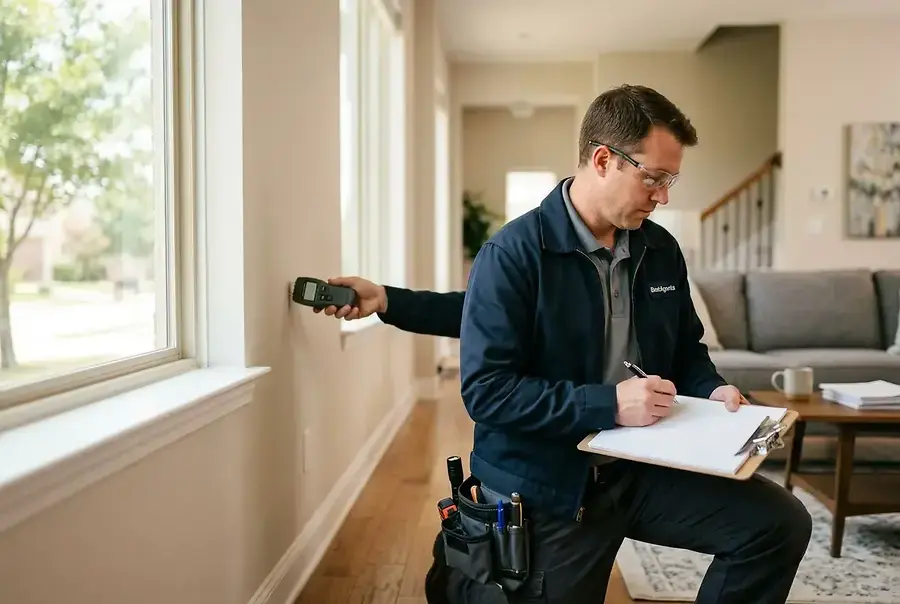
Purchasing a home is one of the most significant financial decisions you'll make in your lifetime. In Allen, Texas, where the real estate market continues to thrive, a professional home inspection has become an essential step in the buying process. A thorough inspection provides you with a detailed understanding of your potential property's condition, helping you make informed decisions and avoid costly surprises after closing.
Home inspections serve as your protection against hidden defects and structural issues that may not be visible during a casual walkthrough. Whether you're a first-time homebuyer or an experienced investor, understanding what inspectors evaluate can help you ask the right questions and negotiate better terms with sellers.
What Professional Inspectors Evaluate During a Standard Inspection
Structural Components and Foundation
Professional inspectors begin by examining the home's foundation and structural integrity. They look for cracks, settling, water damage, and signs of foundation movement. In Allen, where soil conditions can vary, foundation issues are particularly important to identify early. Inspectors will also evaluate the condition of walls, floors, and ceilings for any signs of structural compromise.
Roofing and Exterior
The roof is one of your home's most critical protective barriers. Inspectors examine shingles, flashing, gutters, and downspouts for damage, wear, and proper installation. They also assess the exterior walls, windows, doors, and siding for water intrusion risks and deterioration. Proper drainage around the home's perimeter is essential to prevent foundation and basement issues.
Plumbing Systems
A comprehensive plumbing inspection includes checking water pressure, drainage, and the condition of pipes throughout the home. Inspectors test all fixtures, look for leaks, and evaluate the water heater's age and condition. They also assess the main water shut-off valve and check for any signs of water damage or mold related to plumbing issues.
Electrical Systems
Electrical safety is paramount in any home inspection. Professionals examine the main electrical panel, circuit breakers, wiring, outlets, and switches. They verify that the electrical system meets current safety codes and can handle the home's power demands. Outdated or faulty electrical systems can pose serious safety risks and may require expensive upgrades.
HVAC Systems
Heating, ventilation, and air conditioning systems are crucial for comfort and indoor air quality. Inspectors evaluate the furnace, air conditioning unit, ductwork, and thermostat. They assess the age of equipment, efficiency ratings, and whether systems are functioning properly. In Allen's climate, a well-maintained HVAC system is essential for year-round comfort.
Insulation and Ventilation
Proper insulation and ventilation affect energy efficiency and prevent moisture problems. Inspectors check attic insulation levels, ventilation adequacy, and look for signs of moisture or mold. They also examine crawl spaces and basement areas for proper moisture barriers and ventilation.
Common Issues Found in Allen Homes and How to Address Them
Water Damage and Moisture Issues
Water intrusion is one of the most common problems found in Texas homes. Common sources include roof leaks, improper grading around the foundation, and inadequate drainage systems. If water damage is discovered, you may need to address the source immediately and assess any structural or mold-related damage. Negotiating repairs or credits with the seller can help offset these costs.
Aging Roof Systems
Many Allen homes have roofs nearing the end of their lifespan. A roof typically lasts 15-25 years depending on materials and maintenance. If your inspection reveals an aging roof, budget for replacement within the next few years or negotiate a credit from the seller. This is a significant expense that shouldn't be overlooked.
HVAC System Age and Efficiency
Older heating and cooling systems may be inefficient and costly to operate. If your inspection reveals an aging HVAC system, consider the cost of replacement when evaluating your offer. Modern systems are more energy-efficient and can significantly reduce utility bills over time.
Electrical System Updates
Homes with outdated electrical systems may need upgrades to meet current safety standards. Knob-and-tube wiring or insufficient grounding can pose fire hazards and may not support modern appliances. Upgrading electrical systems can be expensive, so this is an important negotiation point during the buying process.
Foundation and Settling Issues
Minor settling is normal in homes, but significant cracks or uneven floors may indicate foundation problems. These issues can range from minor cosmetic concerns to serious structural problems requiring professional repair. Have any foundation concerns evaluated by a structural engineer before making your final decision.
Making Informed Decisions Through Thorough Home Inspections
A professional home inspection is your opportunity to understand exactly what you're purchasing. Use the inspection report to negotiate repairs, credits, or price adjustments with the seller. Don't hesitate to ask your inspector questions about any concerns or recommendations they identify.
Remember that no home is perfect, and minor issues are normal. The goal is to identify significant problems that could affect your safety, comfort, or investment value. By understanding what inspectors evaluate and knowing common issues in Allen homes, you're better equipped to make informed decisions and protect your real estate investment.
Take the time to review the inspection report thoroughly, ask for clarification on any findings, and consult with professionals about major issues. This diligence will pay dividends in ensuring you're making a sound investment in your new Allen home.