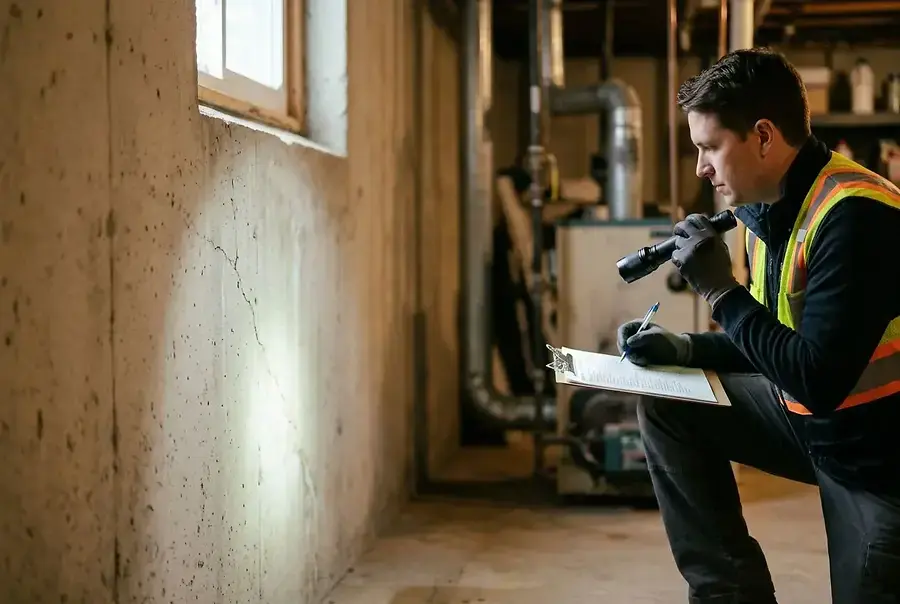
Why Home Inspections Matter in Rochester's Real Estate Market
Purchasing a home is one of the most significant financial decisions you'll make in your lifetime. In Rochester's competitive real estate market, it's crucial to protect your investment by conducting a thorough home inspection before closing the deal. A professional home inspection provides an objective assessment of a property's condition, helping you understand what you're truly buying and identifying potential issues that could cost thousands of dollars to repair.
Many first-time homebuyers underestimate the importance of inspections, viewing them as an unnecessary expense. However, the cost of a professional inspection—typically between $300 and $500—is minimal compared to the potential expenses of discovering major problems after purchase. An inspection gives you leverage to negotiate repairs, request credits, or walk away from a problematic property before it's too late.
Essential Areas to Inspect: Foundation, Roof, Plumbing, and Electrical Systems
Foundation and Structural Integrity
The foundation is the backbone of any home. During your inspection, look for visible cracks, settling, or water damage in the basement or crawl space. Minor hairline cracks are common, but large, horizontal cracks or stair-step patterns can indicate serious structural problems. Check for signs of water intrusion, including efflorescence (white mineral deposits), mold, or musty odors. These issues are particularly important in Rochester, where freeze-thaw cycles can stress foundations.
- Inspect basement walls for cracks and water stains
- Check for proper grading around the foundation
- Look for signs of settling or uneven floors
- Verify adequate drainage away from the home
Roof Condition and Age
Your roof is your home's first line of defense against the elements. Ask your inspector to determine the age and remaining lifespan of the roof. Most asphalt shingles last 15-20 years, so a roof nearing the end of its life means a significant replacement expense in your near future. Look for missing shingles, curling, granule loss, and sagging. Check the attic for proper ventilation and signs of leaks, including water stains or mold.
- Verify roof age and material type
- Check for proper ventilation and insulation
- Look for signs of past or present leaks
- Inspect flashing around chimneys and vents
Plumbing Systems
Water damage is one of the most expensive problems homeowners face. During inspection, ensure all fixtures drain properly and there are no signs of leaks under sinks or around toilets. Ask about the age and material of the main water line—older homes may have galvanized or polybutylene pipes that are prone to failure. Check water pressure and temperature consistency. Look for evidence of previous water damage, staining, or mold in bathrooms and kitchens.
- Test all faucets and fixtures for proper function
- Inspect visible pipes for corrosion or leaks
- Check water heater age and condition
- Verify proper grading to prevent water pooling
Electrical Systems
Outdated or faulty electrical systems pose serious safety risks. Verify that the home has adequate electrical capacity for modern appliances and devices. Look for outdated knob-and-tube wiring or aluminum wiring, which can be fire hazards. Check that the panel is properly labeled and functioning. Ensure outlets are grounded and that GFCI protection is installed in wet areas like bathrooms and kitchens. Test multiple outlets throughout the home to confirm proper function.
- Verify electrical panel capacity and condition
- Check for proper grounding and GFCI protection
- Look for outdated or hazardous wiring types
- Test outlets in multiple rooms
Red Flags and Deal-Breakers: When to Walk Away or Negotiate
Serious Structural Issues
Major foundation cracks, severe settling, or evidence of foundation repair are major red flags. These problems are expensive to fix and can affect the home's value and insurability. Similarly, significant roof damage or a roof near the end of its lifespan may require immediate replacement, costing $10,000 or more.
Water Damage and Mold
Extensive water damage, active leaks, or visible mold growth are serious concerns. Mold remediation can be costly and health-hazardous. If you discover these issues, request a specialized mold inspection and get repair estimates before proceeding.
Outdated or Hazardous Systems
Knob-and-tube wiring, asbestos, lead paint, or polybutylene pipes require professional remediation. These issues can be expensive and may affect your ability to obtain insurance or financing. Request detailed estimates for any necessary upgrades.
When to Negotiate
Minor issues like worn caulking, small roof repairs, or updated plumbing fixtures are reasonable negotiation points. Request the seller provide credits or complete repairs before closing. Always get written estimates for any requested work to ensure fair negotiation.
"A thorough home inspection is your best defense against costly surprises. Use the inspection report as a negotiating tool and a roadmap for future maintenance."
Using Inspection Results to Make Confident Buying Decisions
Once you receive the inspection report, take time to review it carefully. Prioritize issues by severity and cost. Distinguish between cosmetic problems and structural concerns. Request clarification from your inspector on any items you don't understand. Use the report to make an informed decision: negotiate repairs, request credits, or walk away if the issues are too significant.
Remember that no home is perfect. Older homes will have more wear and tear, but that doesn't necessarily mean they're poor investments. What matters is understanding the property's true condition and making a decision based on facts, not emotions. A professional home inspection empowers you to buy with confidence, knowing exactly what you're getting and what to expect for maintenance and repairs.
By following this essential checklist and taking the inspection process seriously, you'll protect your investment and make one of life's biggest decisions with clarity and peace of mind.