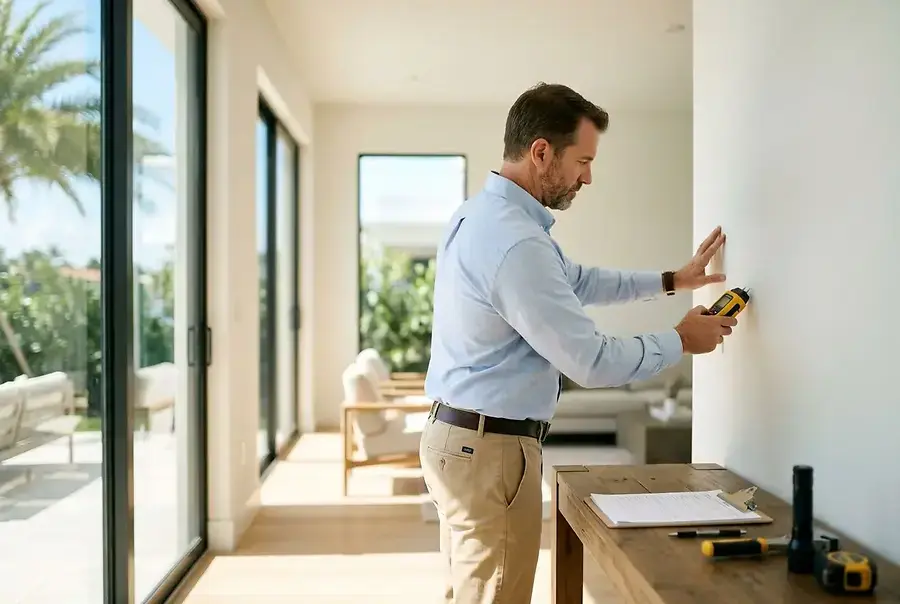
Understanding the Miami Home Inspection Process and Timeline
Purchasing a home in Miami is one of the most significant investments you'll make, and a professional home inspection is your first line of defense against hidden problems. The inspection process typically begins after your offer has been accepted and during the due diligence period, which usually lasts 10-14 days in Miami real estate transactions.
A qualified home inspector will conduct a thorough examination of the property, typically taking 2-4 hours depending on the home's size and age. It's crucial to be present during the inspection so you can ask questions and understand potential issues firsthand. The inspector will document their findings in a detailed report that becomes your roadmap for negotiations and decision-making.
Selecting the Right Inspector
Not all inspectors are created equal. Look for inspectors who are:
- Licensed and certified by the Florida Home Inspector Board
- Insured and bonded for your protection
- Experienced with Miami's unique climate and construction styles
- Members of professional organizations like ASHI or NAHI
- Able to provide references from recent clients
Expect to pay between $300-$600 for a standard home inspection in Miami, depending on the property's size and condition.
Key Areas Inspectors Focus On in Miami Residential Properties
Miami's tropical climate and coastal environment create unique inspection priorities that differ from other regions. Understanding these focus areas helps you ask informed questions during the inspection process.
Roof and Weather Protection
Miami's intense sun, salt air, and hurricane-force winds make the roof one of the most critical components. Inspectors will examine:
- Roof age and remaining lifespan
- Signs of water damage or leaks
- Proper hurricane straps and reinforcement
- Condition of flashing and seals
- Adequate ventilation to prevent moisture buildup
Foundation and Structural Integrity
Miami's limestone foundation and high water table present unique challenges. Inspectors will look for:
- Cracks in the foundation or walls
- Signs of settling or shifting
- Moisture intrusion and water damage
- Proper drainage around the property
- Evidence of past flooding or water damage
HVAC and Cooling Systems
In Miami's heat and humidity, a functioning air conditioning system isn't a luxury—it's essential. Inspectors evaluate:
- Age and condition of the AC unit
- Proper refrigerant levels
- Ductwork integrity and insulation
- Thermostat functionality
- Maintenance history and service records
Plumbing and Water Systems
Miami's corrosive salt air and mineral-rich water can accelerate plumbing deterioration. Inspectors check:
- Pipe material and age (copper, PVC, or galvanized)
- Water pressure and flow
- Signs of leaks or corrosion
- Water heater condition and age
- Proper grading and drainage
Electrical Systems
Older Miami homes may have outdated electrical systems. Inspectors will verify:
- Panel capacity and condition
- Proper grounding and bonding
- GFCI outlets in wet areas
- Adequate circuit breakers
- Compliance with current electrical codes
How to Interpret Inspection Reports and Negotiate Repairs
Once you receive the inspection report, you'll see findings categorized by severity. Understanding these categories is essential for making informed decisions.
Report Categories Explained
Critical Issues: These require immediate attention and can affect the home's safety or value significantly. Examples include structural damage, roof leaks, or non-functional HVAC systems.
Major Issues: These are significant problems that will likely need repair soon. They may include aging water heaters, outdated electrical panels, or foundation cracks.
Minor Issues: These are cosmetic or small maintenance items that don't pose immediate concerns but should be addressed eventually.
Negotiation Strategies
Armed with your inspection report, you have several negotiation options:
- Request repairs: Ask the seller to fix critical and major issues before closing
- Request credits: Negotiate a price reduction to cover repair costs yourself
- Request inspections: Ask for specialized inspections (pest, mold, pool) if concerns arise
- Walk away: If issues are too extensive, you can terminate the contract during the inspection period
Pro tip: Prioritize critical safety issues over cosmetic concerns when negotiating. Sellers are more likely to agree to repairs that affect habitability than those that are purely aesthetic.
Getting Repair Estimates
Before negotiating, obtain written estimates from licensed contractors for major repairs. This gives you concrete numbers to discuss with the seller and prevents disputes about repair costs.
Final Steps: Using Inspection Results to Make Your Best Offer
The inspection report is your final opportunity to make an informed decision about your Miami home purchase. Use this information strategically to protect your investment.
Evaluating Your Options
Review the inspection findings alongside your pre-approval letter and the home's market value. Ask yourself:
- Are the issues deal-breakers or manageable?
- Do repair costs significantly impact the home's value?
- Is the seller willing to negotiate in good faith?
- Can I afford both the purchase price and necessary repairs?
Making Your Final Decision
Don't let emotions override logic. A beautiful home with serious structural or mechanical issues may cost you thousands in repairs. Conversely, minor issues shouldn't derail a purchase if the home is otherwise sound and fairly priced.
Work closely with your real estate agent and consider consulting with specialists for complex issues. A mold inspector, structural engineer, or pool specialist can provide expert opinions that inform your final decision.
Closing with Confidence
Once you've negotiated repairs or credits and are satisfied with the home's condition, you can move forward to closing with confidence. The inspection process protects your investment and ensures you're making an informed decision about your Miami home purchase.
Remember: A thorough home inspection is not an expense—it's an investment in your peace of mind and financial security.