Why Home Appraisals Matter in Fairfax
A home appraisal is one of the most critical steps in the real estate transaction process. For sellers in Fairfax, understanding this valuation process can mean the difference between a quick sale at a competitive price and a prolonged listing that fails to attract serious buyers. An appraisal provides an objective, third-party assessment of your property's market value, which lenders use to determine how much they'll finance for a buyer.
When a buyer makes an offer on your Fairfax home, their lender requires an appraisal to ensure the property is worth the agreed-upon purchase price. If the appraisal comes in lower than expected, it can derail the sale or force renegotiations. By understanding what appraisers look for and how they determine value, you can position your home to achieve the strongest possible appraisal.
The Appraisal Timeline and Key Steps Explained
When Does the Appraisal Happen?
Once an offer is accepted on your Fairfax property, the appraisal typically occurs within 7-10 days. The buyer's lender orders the appraisal, and you'll be notified of the scheduled inspection date. This timeline is important to understand because it gives you a narrow window to prepare your home.
What Happens During the Appraisal Visit
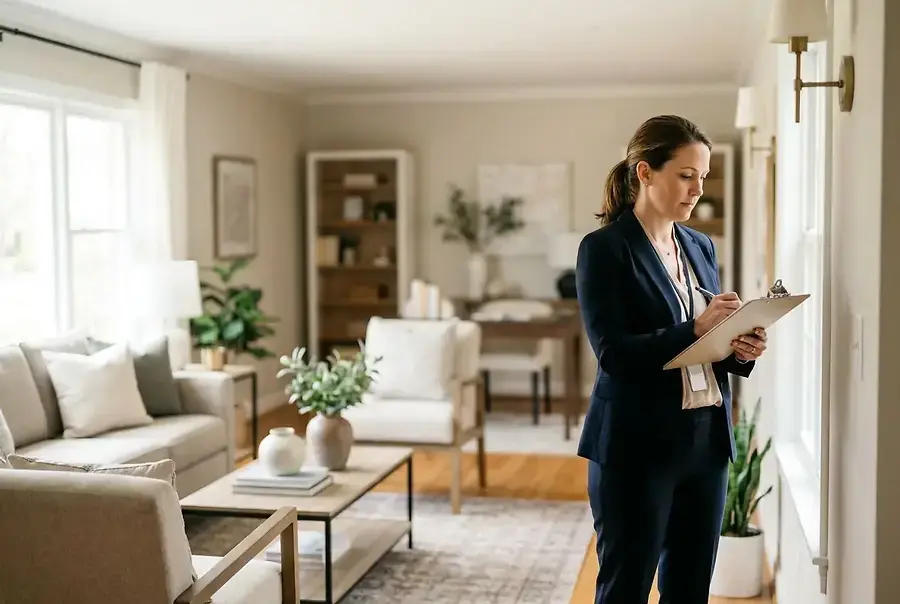
The appraiser will spend 1-2 hours at your property, conducting a thorough inspection both inside and outside. Here's what to expect:
- Exterior Assessment: The appraiser evaluates the roof condition, siding, landscaping, driveway, and overall curb appeal.
- Interior Inspection: They examine every room, checking flooring, walls, ceilings, fixtures, and the overall condition of the home.
- Measurements: Square footage is carefully measured to verify the property's size.
- Systems Check: HVAC, plumbing, electrical systems, and appliances are assessed for functionality and age.
- Comparable Analysis: The appraiser researches recently sold homes in Fairfax with similar features to establish market value.
After the Appraisal
The appraisal report typically arrives within 3-5 business days. Your real estate agent will receive the results and share them with you. If the appraisal meets or exceeds the purchase price, the transaction moves forward smoothly. If it falls short, you may need to negotiate with the buyer or address concerns raised in the report.
Factors That Impact Your Fairfax Property's Appraised Value
Location and Market Conditions
Your home's location within Fairfax significantly influences its appraised value. Properties in desirable neighborhoods with good schools, low crime rates, and proximity to amenities command higher valuations. Current market conditions also play a role—appraisers consider recent sales trends and inventory levels in your area.
Property Condition and Age
The overall condition of your home is paramount. Newer homes or those with recent updates typically appraise higher than older properties requiring significant repairs. Appraisers note deferred maintenance, outdated systems, and cosmetic issues that may reduce value.
Size and Layout
Square footage is a primary value driver. Appraisers also consider the functionality of your layout—open floor plans, adequate storage, and logical room arrangements appeal to buyers and support higher valuations.
Upgrades and Improvements
Strategic renovations can boost your appraisal value. Kitchen and bathroom updates, new flooring, fresh paint, and energy-efficient upgrades are particularly valuable. However, over-personalizing your space or making improvements that don't align with neighborhood standards may not yield full returns.
Comparable Sales
Appraisers rely heavily on comparable sales—recently sold homes in Fairfax with similar characteristics. If comparable homes sold for strong prices, your appraisal will likely reflect that market strength. Conversely, if comparable sales are weak, your appraisal may be lower.
Preparing Your Home for a Successful Appraisal
Curb Appeal Matters
First impressions count. Ensure your landscaping is neat, the lawn is mowed, and the exterior is clean. Fresh mulch, trimmed bushes, and a well-maintained front entrance set a positive tone for the appraiser's visit.
Clean and Declutter
A clean home shows better and allows the appraiser to see the property's true condition. Deep clean all rooms, remove personal clutter, and organize closets. This effort takes minimal time but significantly impacts how your home is perceived.
Address Obvious Issues
Fix minor problems before the appraisal. Repair leaky faucets, replace broken light fixtures, patch wall holes, and address any visible damage. These small fixes prevent appraisers from noting deficiencies that could lower your valuation.
Document Recent Improvements
Gather receipts and documentation for any recent upgrades or repairs. If you've replaced the roof, updated the HVAC system, or renovated the kitchen, provide this information to the appraiser. Documentation supports higher valuations for improvements.
Ensure Access and Safety
Make sure the appraiser can safely access all areas of your home, including the attic, basement, and crawl spaces. Remove obstacles and ensure adequate lighting. A safe, accessible inspection leads to a more thorough and favorable appraisal.
Provide Relevant Information
Be available during the appraisal to answer questions about your home's features, recent updates, and any unique characteristics. Highlight energy-efficient systems, smart home features, or other selling points that might not be immediately obvious.
Using Appraisal Knowledge to Your Advantage
Understanding the appraisal process empowers you as a seller. By pricing your home competitively from the start, you increase the likelihood that the appraisal will support the sale price. Preparing your property thoroughly demonstrates pride of ownership and helps appraisers see your home's true value.
If you're concerned about appraisal outcomes, discuss your home's strengths with your real estate agent before listing. They can help you price strategically and identify preparation opportunities. Remember, a successful appraisal isn't just about the number—it's about ensuring the transaction closes smoothly and you achieve your selling goals in Fairfax's competitive real estate market.