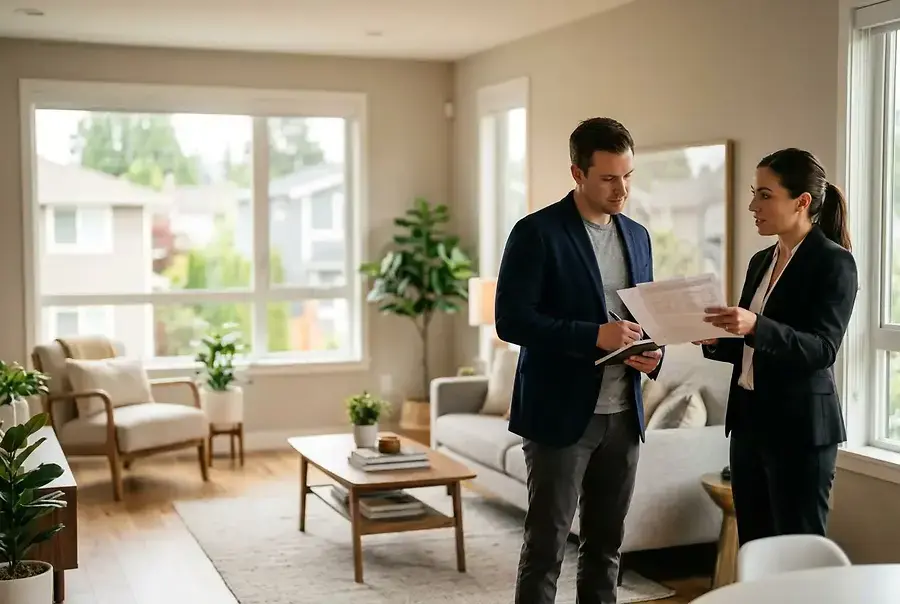
Understanding Tenant Rights and Legal Obligations When Selling
Selling a rental property with tenants in place requires careful navigation of legal requirements and ethical considerations. As a property owner, you have specific obligations that vary by jurisdiction, and understanding these is crucial to avoid costly disputes and delays.
Notice Requirements and Lease Agreements
Before listing your property, review your lease agreements and local tenant laws. Most jurisdictions require landlords to provide written notice of the sale, typically ranging from 30 to 60 days. Some states mandate that tenants receive notice before the property is even listed on the market.
- Check your state and local regulations for specific notice periods
- Provide written notice in a format that complies with local requirements
- Document all communications with tenants for legal protection
- Understand whether tenants have the right to remain through lease expiration
Tenant Rights During the Sale Process
Tenants have the right to peaceful enjoyment of their rental unit, even during a sale. This means you cannot unreasonably restrict their access or disrupt their living conditions. However, you can schedule reasonable showings with proper notice—typically 24 to 48 hours.
Key protections for tenants include:
- Right to refuse entry except for emergencies or scheduled showings
- Protection against retaliatory actions for asserting their rights
- Right to know the identity of the new owner
- Potential right to remain in the property under existing lease terms
Preparing Your Property for Market While Occupied
Selling an occupied rental property presents unique challenges. You must balance the need to showcase the property attractively while respecting your tenants' right to live there comfortably.
Strategic Staging and Presentation
Work with your tenants to create a clean, neutral environment for showings. Communication is key—explain how their cooperation helps achieve a faster sale, which benefits everyone involved.
- Request tenants maintain cleanliness and remove personal clutter before showings
- Offer incentives such as rent reductions for cooperation during the sale period
- Schedule showings during convenient times to minimize disruption
- Consider professional cleaning services between showings
- Ensure all utilities are functioning and the property is well-lit
Addressing Maintenance and Repairs
Occupied properties often require more attention to maintenance. Prospective buyers will notice any deferred maintenance, and it can significantly impact your sale price. Address critical repairs promptly while keeping tenants informed about any work being done.
Focus on visible improvements that enhance curb appeal and first impressions: fresh paint, landscaping, updated fixtures, and thorough cleaning. These investments typically yield strong returns.
Managing Tenant Cooperation
Transparency builds trust. Inform tenants about the timeline, expected number of showings, and what to expect from potential buyers. Some investors offer small incentives—such as reduced rent during the sale period—to encourage cooperation.
Pricing Strategy and Timeline Considerations for Investment Properties
Pricing an occupied rental property requires a different approach than selling owner-occupied homes. Buyers purchasing investment properties focus on cash flow and return on investment, not emotional appeal.
Valuation Methods for Investment Properties
Rather than relying solely on comparable sales, investment property pricing should incorporate:
- Cap Rate Analysis: Calculate the property's capitalization rate based on net operating income
- Cash Flow Projections: Show potential buyers realistic income expectations
- Comparable Investment Sales: Research similar properties sold to investors in your area
- Market Conditions: Consider interest rates, inventory levels, and investor demand
Pricing for Tenant-Occupied Properties
Properties with existing tenants and leases can be attractive to investors seeking immediate cash flow. However, they typically sell for less than vacant properties because buyers have less flexibility in rent increases or tenant selection.
Consider offering the property at a competitive price that reflects the tenant-in-place situation while still protecting your investment returns.
Timeline Considerations
Occupied properties generally take longer to sell than vacant ones. Plan for an extended timeline and adjust your expectations accordingly. Factors affecting timeline include:
- Lease terms and tenant stability
- Local market conditions and investor interest
- Property condition and required repairs
- Seasonal market fluctuations
- Financing availability for investor buyers
Be realistic about your timeline. Rushing the sale or pricing too aggressively can result in leaving money on the table or attracting problematic buyers.
Conclusion: Making Your Exit Plan a Success
Selling a rental property successfully requires balancing legal obligations, tenant relations, property presentation, and strategic pricing. The key to maximizing your return lies in understanding your market, respecting tenant rights, and positioning your property effectively to investor buyers.
Start by consulting with a real estate attorney familiar with your local tenant laws. Work with an experienced real estate agent who specializes in investment properties. Maintain open communication with your tenants throughout the process, and price your property competitively based on investment metrics rather than emotional factors.
With proper planning and execution, you can navigate the complexities of selling a rental property while protecting your interests and achieving your financial goals. Your exit strategy is just as important as your entry strategy—treat it with the same professionalism and care you invested in building your rental portfolio.