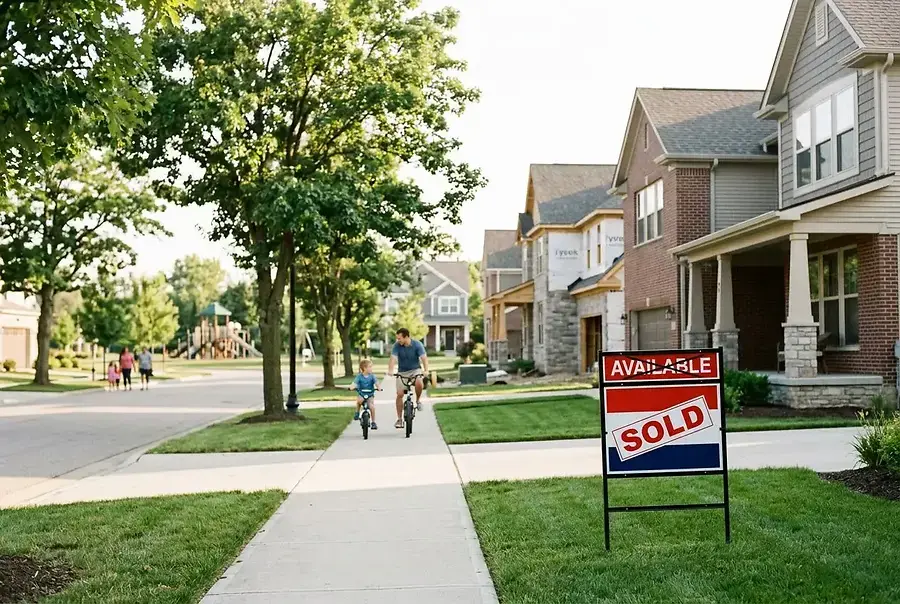
Understanding Market Trends in Greater Cleveland's Suburban Communities
The Greater Cleveland real estate market has undergone a significant transformation in recent years. While traditional investment hotspots have seen substantial price appreciation, savvy investors are increasingly turning their attention to emerging suburban communities that offer compelling value propositions. The region's economic diversification, coupled with infrastructure improvements and population migration patterns, has created unique opportunities for residential property investors seeking long-term gains.
Market data reveals that several suburban areas surrounding Cleveland are experiencing growth rates that outpace the national average. These neighborhoods benefit from lower entry prices compared to established markets, making them accessible to a broader range of investors. The combination of affordability and growth potential creates a favorable environment for those willing to identify and invest in the right properties before widespread market recognition occurs.
Economic Drivers Fueling Suburban Growth
Several factors are contributing to the revitalization of Greater Cleveland's suburbs. Remote work adoption has enabled professionals to relocate away from urban centers while maintaining competitive salaries. Additionally, corporate relocations and business expansions in the region have created employment opportunities that attract new residents. Infrastructure investments, including improved transportation corridors and utility upgrades, have made previously overlooked areas increasingly desirable.
Key Neighborhoods with Strong Growth Indicators and Affordability
Identifying neighborhoods with strong fundamentals is crucial for investment success. The following areas demonstrate compelling combinations of affordability, growth indicators, and community development potential:
Emerging Suburban Hotspots
- Brecksville and Broadview Heights: These communities offer excellent school systems, planned development initiatives, and proximity to major employment centers. Property appreciation has been steady, with median prices remaining accessible to first-time investors.
- Strongsville: Known for its strong municipal services and family-friendly amenities, Strongsville continues to attract new residents. The area's balanced growth and stable property values make it an attractive long-term investment.
- Solon: This upscale suburban community is experiencing renewed interest due to its excellent schools and quality-of-life amenities. Recent commercial development has bolstered the local economy and property values.
- Shaker Heights: Historic charm combined with modern revitalization efforts has positioned this neighborhood for appreciation. The area's architectural character and community investment create strong investor appeal.
- Westlake: Rapid commercial and residential development has transformed this area into a dynamic suburban hub. Strategic location and business-friendly policies continue to drive growth.
Each of these neighborhoods offers distinct advantages. The key is matching your investment strategy with the specific characteristics of each community. Some investors prioritize immediate rental income potential, while others focus on long-term appreciation. Understanding which neighborhoods align with your goals is essential for success.
Evaluating Property Investment Fundamentals: Location, School Districts, and Amenities
The Location Advantage
Location remains the cornerstone of real estate investment success. Properties in emerging neighborhoods benefit from proximity to established employment centers, major highways, and shopping districts. Investors should evaluate accessibility to downtown Cleveland, major employers, and regional attractions. Properties within walking distance of public transportation or positioned along planned transit corridors often command premium appreciation potential.
School District Quality and Impact
School district ratings significantly influence property values and rental demand. Families prioritize neighborhoods with strong educational institutions, and this demand directly translates to property appreciation. Investors should research:
- School district rankings and test scores
- Recent investments in educational facilities
- Student-to-teacher ratios and graduation rates
- Community perception of school quality
Properties in top-rated school districts typically appreciate faster and attract higher-quality tenants, resulting in more stable rental income streams.
Community Amenities and Quality of Life
Modern homebuyers and renters increasingly value lifestyle amenities. Neighborhoods with parks, recreational facilities, shopping centers, and dining options attract more residents and support higher property values. Emerging neighborhoods that are investing in community infrastructure—such as new parks, community centers, or downtown revitalization projects—demonstrate forward-thinking municipal leadership and strong growth potential.
Pro Tip: Visit neighborhoods during different times of day and seasons. Observe community engagement, property maintenance standards, and overall neighborhood vitality. These observations provide valuable insights that data alone cannot capture.
Making Your Investment Decision: A Strategic Framework for Long-Term Gains
Conducting Due Diligence
Before committing capital, thorough research is essential. Analyze recent sales data, price trends, and days-on-market statistics for your target neighborhoods. Compare these metrics against broader market trends to identify neighborhoods experiencing accelerating appreciation. Review municipal budgets, development plans, and zoning regulations to understand future growth potential.
Financial Analysis and ROI Projections
Calculate potential returns based on realistic assumptions. Consider:
- Purchase price and estimated closing costs
- Projected rental income or appreciation rates
- Property taxes, insurance, and maintenance expenses
- Vacancy rates and tenant turnover costs
- Long-term appreciation potential based on historical trends
Conservative projections provide more reliable guidance than optimistic scenarios. Factor in market cycles and potential economic downturns when modeling long-term returns.
Building Your Investment Portfolio
Successful investors often diversify across multiple neighborhoods and property types. Rather than concentrating all capital in a single area, consider spreading investments across several emerging neighborhoods with different characteristics. This approach reduces risk while maximizing exposure to multiple growth opportunities.
Timing matters significantly in real estate investment. Properties in neighborhoods at the early stages of revitalization offer the greatest appreciation potential. However, identifying these opportunities requires careful analysis and market knowledge. Work with local real estate professionals who understand neighborhood dynamics and can identify emerging trends before they become obvious to the broader market.
Long-Term Wealth Building
Real estate investment in emerging neighborhoods is fundamentally a long-term wealth-building strategy. While short-term price fluctuations occur, neighborhoods with strong fundamentals—good schools, quality amenities, economic growth, and community investment—consistently appreciate over extended holding periods. Patient investors who identify quality properties in emerging neighborhoods and hold them through market cycles typically achieve superior returns compared to those chasing established markets.
The Greater Cleveland region offers exceptional opportunities for residential property investors willing to look beyond traditional investment areas. By understanding market trends, identifying neighborhoods with strong growth indicators, and conducting thorough due diligence, investors can position themselves to benefit from the region's continued suburban revitalization and long-term appreciation potential.