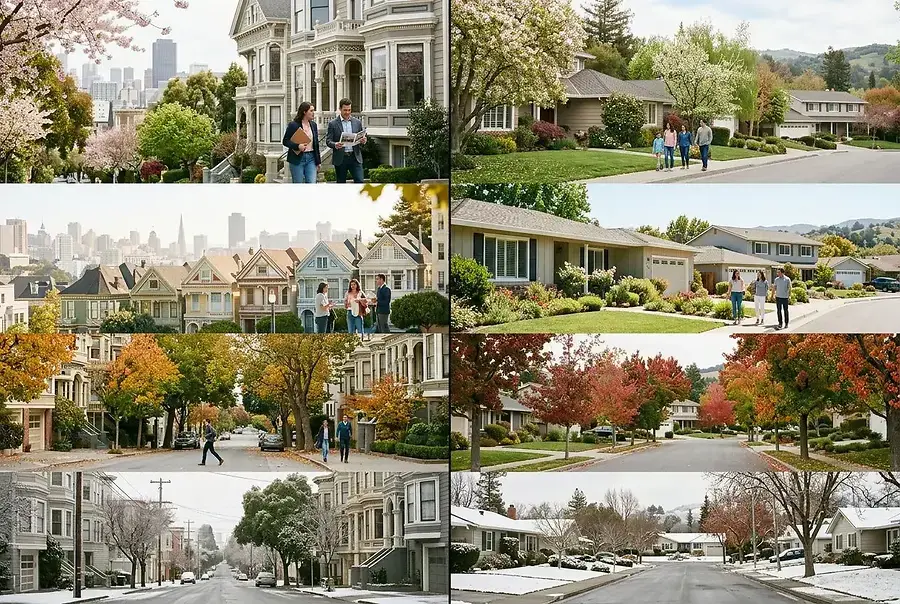
Why Market Cycles Matter for Buyers and Sellers
The real estate market is never static. Like the seasons themselves, property markets experience predictable cycles that create both challenges and opportunities for buyers and sellers. Understanding these cycles in the San Francisco and Walnut Creek areas is crucial for making informed decisions that could save you thousands of dollars or help you secure your dream home.
Market cycles are driven by a combination of factors including economic conditions, interest rates, inventory levels, and seasonal buyer behavior. In the Bay Area, these cycles are particularly pronounced due to the region's competitive market dynamics and the concentration of tech industry professionals who often relocate during specific times of the year.
Whether you're a first-time homebuyer, an experienced investor, or someone looking to sell your property, timing matters. By recognizing where we are in the current market cycle, you can position yourself strategically to achieve your real estate goals.
Understanding Seasonal Patterns in San Francisco and Walnut Creek
Spring: The Peak Season
Spring is traditionally the strongest season for real estate activity in both San Francisco and Walnut Creek. As the weather improves and families prepare for potential summer moves, inventory increases significantly and buyer activity peaks. Homes show better in spring, with blooming gardens and longer daylight hours creating an appealing aesthetic.
However, this increased activity comes with trade-offs. Competition among buyers intensifies, prices tend to be at their highest, and homes often receive multiple offers. Sellers benefit from maximum exposure, but buyers face steeper prices and less negotiating power.
Summer: The Extended Market
Summer extends the spring momentum, though activity typically begins to taper as July and August approach. Many families prefer to complete moves before school starts in the fall, creating a secondary surge in late summer.
In Walnut Creek, summer can be particularly active due to families relocating for work or seeking the area's excellent schools. San Francisco's summer market remains strong but slightly less frenzied than spring, offering buyers a bit more breathing room for negotiations.
Fall: The Transition Period
Fall marks a significant shift in market dynamics. As summer ends and school begins, buyer activity decreases. Inventory typically remains moderate, but competition softens considerably. This creates a unique advantage for serious buyers who can negotiate more favorable terms.
Sellers who list in fall often face less competition from other properties, which can be advantageous. However, the reduced buyer pool means homes may take longer to sell. This season favors patient sellers and motivated buyers.
Winter: The Buyer's Advantage
Winter is traditionally the slowest season for real estate in the Bay Area. Holiday commitments, cold weather, and reduced daylight hours keep many buyers sidelined. However, this creates a significant advantage for serious purchasers.
Homes listed in winter often represent motivated sellers—those relocating for jobs, facing life changes, or dealing with financial pressures. With fewer competing offers and less inventory, buyers have substantially more negotiating power. Prices often soften, and sellers may be more flexible on terms and contingencies.
How to Position Yourself for Success During Different Market Phases
For Buyers
Spring and Summer Strategy: If you must buy during peak season, get pre-approved for financing, have your offer ready to submit quickly, and be prepared to compete. Focus on homes that have been on the market longer, as they may have more flexible sellers.
Fall and Winter Strategy: These seasons offer negotiating advantages. You can take time to view homes without pressure, make lower offers with a reasonable chance of acceptance, and potentially negotiate repairs or closing costs. Build relationships with agents who specialize in these slower seasons.
Year-Round Tips:
- Get pre-approved for a mortgage before you start shopping
- Work with a local agent familiar with San Francisco or Walnut Creek market nuances
- Understand your must-haves versus nice-to-haves
- Monitor market trends and inventory levels consistently
- Be flexible with timing when possible
For Sellers
Spring and Summer Strategy: List early in spring to capture peak buyer interest. Invest in professional staging and photography. Price competitively but not aggressively—the market will support fair pricing. Expect multiple offers and be prepared to negotiate.
Fall and Winter Strategy: Highlight unique features that appeal to motivated buyers. Consider price reductions to stand out in a quieter market. Be flexible with showings and closing timelines. These seasons attract serious buyers who are less likely to be window shopping.
Year-Round Tips:
- Ensure your home is in excellent condition before listing
- Price based on recent comparable sales, not wishful thinking
- Consider your timeline and financial goals
- Work with an experienced agent who understands market cycles
- Be prepared to adjust strategy if your home isn't selling
Understanding Market Indicators
Beyond seasonal patterns, pay attention to key market indicators such as:
- Days on Market: How long homes typically stay listed before selling
- Inventory Levels: The number of homes available for sale
- Price Trends: Whether prices are rising, falling, or stabilizing
- Absorption Rate: How quickly homes are selling relative to inventory
- Interest Rates: How mortgage rates affect buyer purchasing power
These indicators help you understand whether it's a buyer's market, seller's market, or balanced market—information that should directly influence your strategy.
Making Informed Decisions Based on Market Timing
The most successful real estate transactions happen when buyers and sellers understand market cycles and position themselves accordingly. There is no universally "perfect" time to buy or sell—only the right time for your specific situation.
If you're a buyer, your timeline might be dictated by job relocation, family needs, or lease expiration. If you're a seller, you might need to move quickly or have flexibility to wait for optimal conditions. The key is making informed decisions based on current market conditions rather than hoping for perfect timing.
San Francisco and Walnut Creek each have their own market personality. San Francisco's market tends to be more volatile and competitive, while Walnut Creek often shows slightly more stability with strong seasonal patterns. Working with a local real estate professional who understands these nuances is invaluable.
By understanding market cycles, monitoring key indicators, and positioning yourself strategically, you can navigate the Bay Area real estate market with confidence. Whether you're buying or selling, knowledge is your most powerful tool for achieving your real estate goals.