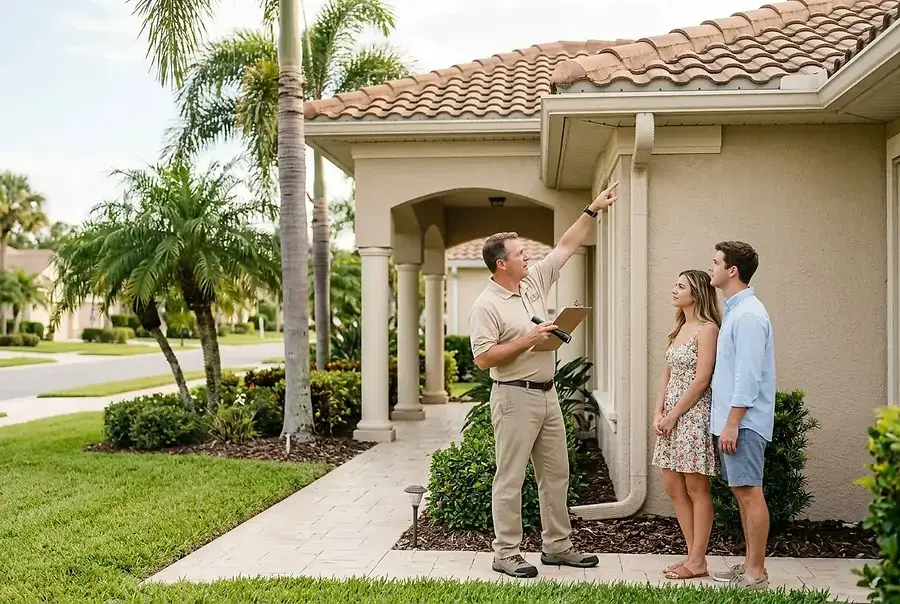
The Importance of Home Inspections in The Villages
Purchasing a home is one of the most significant investments you'll make in your lifetime. In The Villages, a thriving community known for its active lifestyle and well-maintained properties, a thorough home inspection remains an essential step in the buying process. Many buyers assume that newer homes or properties in established communities don't require detailed inspections, but this assumption can lead to costly mistakes.
A professional home inspection provides you with an objective assessment of a property's condition before you commit to the purchase. It gives you the knowledge and confidence to negotiate effectively, plan for future maintenance, and avoid inheriting expensive problems. Whether you're buying a single-family home, a villa, or a townhouse in The Villages, understanding what inspectors look for can help you ask the right questions and make informed decisions.
Key Areas to Inspect: Structural, Systems, and Safety Concerns
Structural Integrity
The foundation of any home is literally its foundation. Inspectors will examine the concrete slab, looking for cracks, settling, or signs of water damage. In The Villages' Florida climate, foundation issues can develop due to soil composition and moisture levels. Pay special attention to:
- Visible cracks in the foundation or exterior walls
- Uneven floors or doors that don't close properly
- Water stains or moisture in the basement or crawl space
- Evidence of past repairs or patching
The roof is another critical structural component. Inspectors will assess shingle condition, flashing integrity, and ventilation. Florida's intense sun and occasional severe weather make roof maintenance crucial. Look for missing or damaged shingles, deteriorated caulking, and proper drainage systems.
Electrical and Plumbing Systems
Modern homes require reliable electrical systems to power everything from air conditioning to smart home devices. During inspection, professionals will check:
- The main electrical panel for proper labeling and safety
- Outlet and switch functionality throughout the home
- Proper grounding and bonding of systems
- Updated wiring that meets current codes
Plumbing systems deserve equal attention. The inspector will test water pressure, check for leaks under sinks and around toilets, and examine the water heater's age and condition. In The Villages, where many homes have been built over several decades, older plumbing may need updating. Ask about:
- Water heater age and remaining lifespan
- Signs of corrosion or leaks in visible pipes
- Proper drainage and venting
- Water quality and any treatment systems in place
HVAC Systems
Florida's climate makes air conditioning systems essential year-round. The inspector will evaluate the age, maintenance history, and efficiency of your HVAC system. A well-maintained unit can last 15-20 years, but replacement costs can exceed $5,000. Request documentation of recent service and ask about the system's cooling capacity for your specific home size.
Safety Concerns
Fire Safety: Ensure the home has adequate smoke detectors, carbon monoxide detectors, and fire extinguishers. Check that electrical outlets near water sources have GFCI protection.
Pool and Spa Safety: Many Villages homes feature pools. Inspectors will verify proper fencing, gate latches, drain safety compliance, and chemical balance. These features are not just conveniences—they're legal requirements in Florida.
Pest Control: Florida's warm climate attracts termites, cockroaches, and other pests. Ask about any history of pest damage or treatment. Look for mud tubes on foundation walls or wood damage that might indicate termite activity.
Understanding Inspection Reports and Red Flags
Reading Your Inspection Report
A comprehensive inspection report will categorize findings by severity. Most reports use classifications like major concerns, minor repairs needed, and maintenance recommendations. Don't panic if you see items listed—some are routine maintenance issues, while others require immediate attention.
Major Red Flags include:
- Foundation cracks or settling issues
- Roof damage requiring replacement
- Electrical hazards or outdated panels
- Plumbing leaks or water damage
- HVAC system failure or imminent replacement needs
- Evidence of mold or water intrusion
- Pest damage, especially termites
Minor Issues might include:
- Caulking that needs replacement
- Paint touch-ups or exterior maintenance
- Worn weatherstripping
- Minor plumbing leaks at fixtures
Using Inspection Results in Negotiations
Once you receive the inspection report, you have several options. You can request repairs from the seller, ask for a credit toward closing costs, or renegotiate the purchase price. In The Villages market, many sellers are motivated to resolve issues quickly to maintain their property's reputation. Use your inspection findings as leverage, but remain reasonable in your requests.
Pro Tip: Always hire a licensed, insured home inspector with experience in The Villages properties. Local inspectors understand the specific challenges of Florida homes and can provide valuable insights about the community.
Making Informed Decisions with Inspection Data
A home inspection is an investment in your peace of mind. The typical cost ranges from $300-$500, which is minimal compared to potential repair costs. Don't skip this step or choose an inspector based solely on price.
After receiving your inspection report, take time to research any concerns raised. Get quotes from contractors for major repairs, and factor these costs into your final decision. Remember that every home has some issues—the goal is to identify them before purchase and make an informed choice.
The Villages attracts buyers seeking quality of life and community. By conducting a thorough home inspection, you're protecting your investment and ensuring that your new home meets your expectations. Whether you're a first-time buyer or an experienced investor, the inspection process empowers you to make decisions based on facts rather than assumptions.
Take advantage of the inspection period to ask questions, request clarifications, and plan for the home's future maintenance. Your inspector is a valuable resource—use their expertise to understand your potential new home fully. With this knowledge in hand, you'll move forward with confidence in The Villages real estate market.
