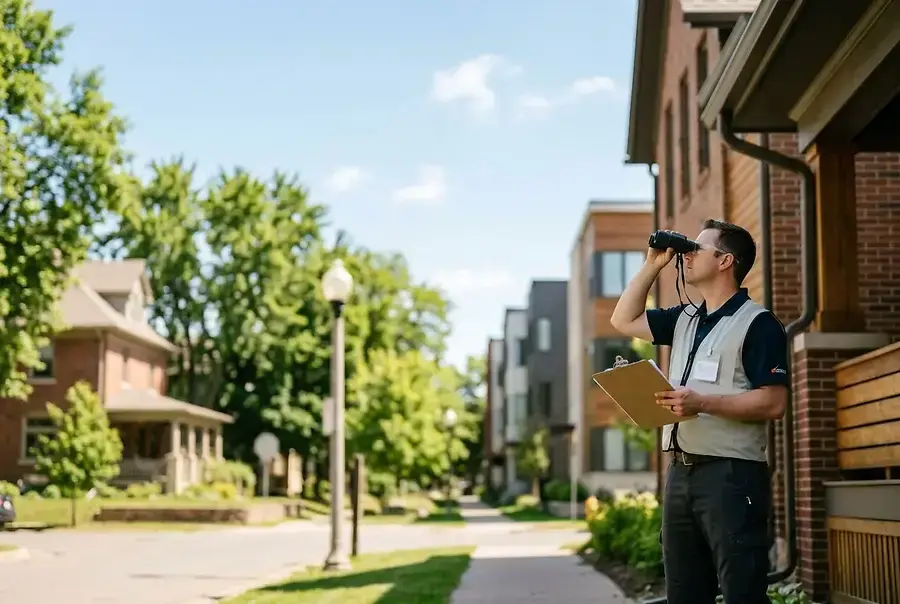
Why Home Inspections Matter in the Twin Cities Market
Purchasing a home is one of the most significant investments you'll make in your lifetime. In the Twin Cities real estate market, where properties range from historic Victorian homes to modern suburban residences, a professional home inspection is not just recommended—it's essential. A thorough inspection provides you with a detailed understanding of your potential property's condition, helping you avoid costly surprises after closing.
Home inspections serve as your protection against hidden defects and structural issues that could impact your safety, comfort, and financial investment. Whether you're buying in Minneapolis, St. Paul, or the surrounding areas, understanding what inspectors evaluate can help you ask the right questions and negotiate better terms with sellers.
What Professional Inspectors Evaluate During a Residential Inspection
Structural Components
Professional inspectors begin by examining the foundation, walls, and overall structural integrity of the home. They look for signs of settling, cracks, water damage, and any structural deficiencies that could compromise the building's stability. In the Twin Cities, where freeze-thaw cycles are common, foundation issues are particularly important to assess.
Roofing and Exterior
The roof is one of your home's most critical protective barriers. Inspectors evaluate:
- Shingle condition and remaining lifespan
- Flashing around chimneys and vents
- Gutters and downspout functionality
- Siding integrity and weather resistance
- Windows and door seals
Given Minnesota's harsh winters, a well-maintained roof and exterior are crucial for protecting your investment from weather-related damage.
Plumbing Systems
Inspectors test water pressure, check for leaks, and evaluate the condition of pipes throughout the home. They examine:
- Water supply lines and shut-off valves
- Drain and sewer lines
- Water heater age and condition
- Fixtures for proper function
Electrical Systems
A comprehensive electrical inspection ensures your home meets current safety standards. Inspectors check the main panel, circuit breakers, outlets, and wiring for potential hazards. Older Twin Cities homes may have outdated electrical systems that need upgrading.
HVAC Systems
Heating and cooling systems are vital in Minnesota's climate. Inspectors evaluate furnace and air conditioning unit age, efficiency, and functionality. They also assess ductwork and thermostat operation.
Interior Components
Professional inspectors examine interior elements including:
- Insulation levels in attics and walls
- Ventilation and moisture control
- Flooring condition
- Walls and ceilings for water stains or damage
- Appliances included in the sale
Common Issues Found in Minneapolis and North Loop Homes
Water Damage and Moisture Problems
Minnesota's climate creates unique challenges for homeowners. Water intrusion and moisture accumulation are among the most common issues found in Twin Cities homes. Basements and crawl spaces are particularly vulnerable to water damage, especially in older homes. Look for signs of previous water damage, mold growth, and inadequate drainage systems.
Aging Roofs and Gutters
Many Minneapolis homes, particularly those built before the 1990s, have roofs nearing the end of their lifespan. Deteriorating roofs can lead to costly water damage if not addressed promptly. Clogged or damaged gutters compound the problem by directing water toward the foundation.
Outdated Electrical Systems
Historic North Loop and Minneapolis neighborhoods often feature homes with older electrical systems. Knob-and-tube wiring or inadequate panel capacity can pose safety risks and limit your ability to power modern appliances and devices.
Foundation Issues
The freeze-thaw cycles characteristic of Minnesota winters can cause foundation cracks and settling. Inspectors pay special attention to:
- Horizontal or vertical cracks in concrete
- Bowing or leaning walls
- Gaps between foundation and framing
- Signs of previous repairs
HVAC System Age
Given Minnesota's cold winters, a functioning heating system is non-negotiable. Many older homes have furnaces that are past their expected 15-20 year lifespan, which means replacement costs could be in your near future.
Asbestos and Lead Paint
Homes built before the 1980s may contain asbestos in insulation, floor tiles, or roofing materials. Similarly, homes built before 1978 likely have lead-based paint. While not always dangerous if undisturbed, these materials require careful handling and professional remediation if renovation is planned.
Using Inspection Reports to Make Confident Purchasing Decisions
Once you receive your inspection report, take time to review it thoroughly. Don't ignore minor issues—they can compound over time and become expensive problems. Use the report as a negotiation tool with the seller. You may request repairs, credits toward closing costs, or price reductions based on significant findings.
A professional home inspection is an investment in peace of mind and financial protection. It empowers you to make informed decisions about one of life's biggest purchases.
Consider having a follow-up inspection by a specialist if major systems or structural concerns are identified. For example, if the general inspector suspects foundation problems, a structural engineer's evaluation could provide valuable insight.
Remember that no home is perfect, and inspection reports often reveal minor issues that are normal for properties of any age. The key is understanding which issues require immediate attention and which can be addressed over time as part of regular home maintenance.
By understanding what professional inspectors evaluate and being aware of common Twin Cities home issues, you're taking an important step toward protecting your investment and ensuring your new home is safe, sound, and ready for your family.