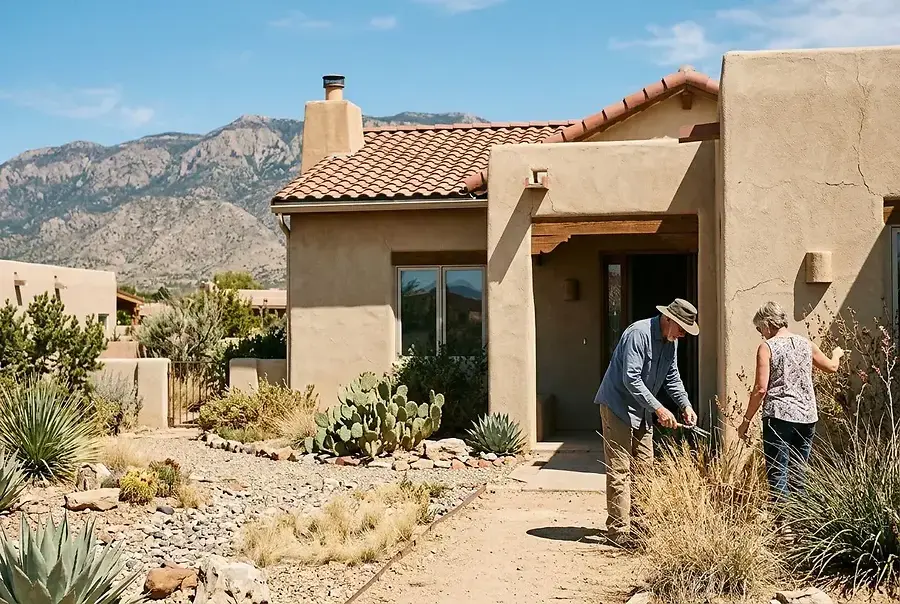
Introduction: Why Albuquerque's Climate Demands Special Home Care
Living in Albuquerque means enjoying over 310 days of sunshine annually, stunning mountain views, and a vibrant community. However, this high desert paradise comes with unique challenges that homeowners must understand to protect their investments. The combination of intense UV radiation, extremely low humidity, temperature fluctuations, and occasional severe weather creates a demanding environment for residential properties.
Unlike homeowners in more temperate climates, Albuquerque residents face accelerated wear and tear on their homes. Without proper knowledge and preventative maintenance, you could find yourself facing expensive repairs that could have been easily avoided. This guide will help you understand exactly how the desert climate affects your home and what steps you can take to keep your property in excellent condition for years to come.
Desert Heat, Dry Air, and UV Exposure: Effects on Your Home's Structure and Exterior
UV Radiation and Paint Deterioration
Albuquerque's intense sunlight is one of the most damaging forces on your home's exterior. The high altitude and clear skies mean UV rays are particularly strong, causing paint to fade, crack, and peel much faster than in other regions. Exterior paint typically lasts only 3-5 years in Albuquerque, compared to 7-10 years in more moderate climates.
This UV exposure doesn't just affect aesthetics—it compromises the protective barrier of your home. When paint fails, underlying materials become exposed to the elements, leading to wood rot, metal corrosion, and structural damage.
Extreme Dryness and Material Stress
The desert's extremely low humidity levels create constant stress on building materials. Wood shrinks and warps as moisture is pulled from it, causing:
- Cracked drywall and plaster
- Warped door and window frames
- Gaps in caulking and sealants
- Hardwood floor cupping and separation
- Roof shingle brittleness and cracking
These seemingly minor issues can quickly escalate into major problems. Gaps in caulking allow water infiltration during rare but intense rainstorms, while brittle roofing materials become vulnerable to wind damage and leaks.
Temperature Fluctuations and Thermal Stress
Albuquerque experiences dramatic temperature swings, especially between day and night. Summer days can exceed 95°F while nights cool to 65°F or lower. This constant expansion and contraction of materials creates thermal stress that weakens structural integrity over time. Concrete driveways, foundations, and patios are particularly vulnerable, developing cracks that expand with each temperature cycle.
Dust and Mineral Accumulation
The desert environment produces fine dust and minerals that accumulate on your home's surfaces. This buildup:
- Clogs air conditioning units and reduces efficiency
- Damages HVAC systems and increases energy costs
- Corrodes metal fixtures and outdoor equipment
- Stains and degrades exterior surfaces
- Reduces the lifespan of solar panels and skylights
Essential Maintenance Strategies for Albuquerque Homeowners Year-Round
Spring Maintenance (March-May)
Inspect and Repair Exterior Paint: Spring is the ideal time to assess winter damage and prepare for intense summer sun. Look for peeling paint, cracks, and exposed wood. Plan to repaint high-exposure areas with UV-resistant, high-quality exterior paint designed for desert conditions.
Check Roof Condition: Walk your roof or hire a professional to inspect for cracked, curled, or missing shingles. Replace damaged materials before the monsoon season arrives.
Seal Cracks and Gaps: Use high-quality caulk to seal gaps around windows, doors, and trim. This prevents dust infiltration and water damage during summer storms.
Summer Maintenance (June-August)
HVAC System Care: Clean or replace air filters monthly during peak cooling season. Have your system professionally serviced to ensure it operates efficiently despite dust accumulation. A well-maintained system can reduce energy costs by 15-20%.
Landscape and Irrigation: Maintain proper grading around your foundation to direct water away from the house. Ensure irrigation systems don't spray directly on your home's exterior, as this can cause localized moisture problems in an otherwise dry climate.
Monitor Foundation: Inspect your foundation for new cracks. While some minor cracking is normal, significant changes warrant professional evaluation.
Fall Maintenance (September-November)
Prepare for Monsoon Season: Even though Albuquerque is dry, late summer and early fall can bring intense thunderstorms. Ensure gutters are clean and functioning properly, downspouts direct water at least 4-6 feet from your foundation, and all exterior caulking is intact.
Inspect Exterior Surfaces: Check stucco, siding, and trim for damage from summer heat. Address any issues before winter arrives.
Winter Maintenance (December-February)
Protect Against Freeze-Thaw Cycles: While Albuquerque winters are mild, occasional freezes can cause damage. Insulate exposed pipes, ensure proper drainage, and monitor weather forecasts for freeze warnings.
Interior Humidity Control: Use humidifiers during winter months when heating systems dry out indoor air excessively. Maintaining 30-50% indoor humidity prevents excessive wood shrinkage and cracking.
Year-Round Best Practices
Invest in quality materials designed for desert climates. Premium UV-resistant paints, high-efficiency HVAC systems, and desert-appropriate landscaping may cost more initially but save thousands in repairs and energy costs over time.
Regular Professional Inspections: Schedule annual inspections with qualified contractors who understand Albuquerque's unique climate challenges. They can identify problems before they become expensive.
Document and Track Maintenance: Keep detailed records of all maintenance and repairs. This documentation protects your investment and helps you identify patterns in your home's performance.
Upgrade When Possible: Consider upgrading to desert-appropriate materials during renovations. Metal roofing, concrete tile, and stucco are excellent choices for Albuquerque's climate.
Conclusion: Protecting Your Investment Through Climate-Smart Maintenance
Albuquerque's high desert climate presents unique challenges, but with proper understanding and proactive maintenance, you can protect your home investment and avoid costly repairs. The key is recognizing that your home requires different care than properties in other regions.
By implementing a comprehensive maintenance strategy that addresses UV exposure, extreme dryness, temperature fluctuations, and dust accumulation, you'll extend the life of your home's systems and materials significantly. The small investments you make in preventative maintenance today will save you thousands in emergency repairs tomorrow.
Start by assessing your home's current condition, prioritizing the most critical issues, and developing a maintenance calendar tailored to Albuquerque's seasonal patterns. Your home is likely your largest investment—treat it with the specialized care it deserves in this remarkable desert environment.