Understanding Champaign Property Taxes and Their Impact on Homeownership
Property taxes are one of the largest ongoing expenses for homeowners in Champaign, Illinois. Whether you're a first-time buyer or a seasoned property owner, understanding how these taxes work is essential to managing your household budget effectively. Property taxes fund critical local services including schools, infrastructure, emergency services, and community development—making them a vital investment in your community.
However, many homeowners don't realize that property tax bills aren't set in stone. With the right knowledge and proactive approach, you can potentially reduce your tax burden and keep more money in your pocket. This guide will walk you through everything you need to know about Champaign property taxes, from how assessments are calculated to actionable strategies for lowering your bill.
How Champaign Property Tax Assessments Work and What Affects Your Bill
The Assessment Process
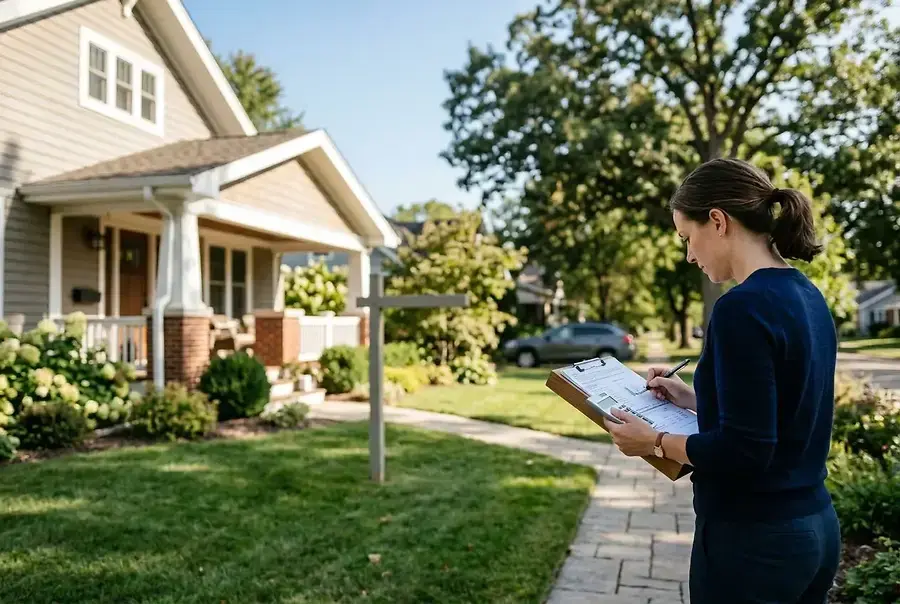
Your property tax bill begins with an assessment—a professional evaluation of your home's market value. In Champaign County, the Champaign County Assessor's Office is responsible for determining the assessed value of residential properties. This assessed value is then multiplied by the local tax rate to calculate your annual property tax bill.
The assessment process typically involves:
- Physical inspection: Assessors evaluate your home's size, condition, age, and structural features
- Market analysis: Recent comparable sales in your neighborhood are reviewed to determine fair market value
- Data collection: Information about your property is recorded in the assessor's database
- Value determination: A final assessed value is assigned based on the property's estimated market value
Key Factors That Affect Your Property Tax Bill
Several factors directly influence how much you'll pay in property taxes:
- Assessed value: The higher your home's assessed value, the higher your taxes
- Local tax rate: Champaign's combined tax rate includes contributions to schools, county government, and municipal services
- Property improvements: Additions, renovations, or upgrades can increase your assessed value
- Market conditions: Rising property values in your neighborhood may lead to higher assessments
- Exemptions: Homestead exemptions and other available exemptions can reduce your taxable value
Understanding Your Property Tax Bill
Your annual property tax bill is calculated using this formula: Assessed Value × Tax Rate = Annual Property Tax. In Champaign, the assessed value is typically set at a percentage of the property's fair market value. Understanding this breakdown helps you identify where your money goes and whether your assessment is accurate.
Proven Strategies to Challenge Assessments and Lower Your Property Tax Burden
Review Your Assessment for Errors
The first step in potentially lowering your property taxes is reviewing your assessment for inaccuracies. Common errors include:
- Incorrect square footage measurements
- Misclassified property features or improvements
- Outdated information about your home's condition
- Incorrect lot size or property boundaries
You can request a copy of your assessment from the Champaign County Assessor's Office and compare it to your actual property. If you find discrepancies, document them carefully with photos and measurements.
File an Appeal
If you believe your assessment is inaccurate or unfairly high, you have the right to appeal. The appeal process in Champaign County typically involves:
- Informal review: Meet with the assessor's office to discuss your concerns
- Formal appeal: File a formal objection with the Board of Review if you're unsatisfied with the informal review
- Documentation: Provide evidence such as recent appraisals, comparable sales data, or proof of property defects
Appeals must be filed within specific timeframes, so check the current deadlines with your local assessor's office to ensure you don't miss the opportunity.
Leverage Available Exemptions
Champaign offers several exemptions that can reduce your property tax burden:
- Homestead exemption: Available to owner-occupied residential properties, this exemption reduces your taxable value
- Senior citizen exemption: Additional relief for homeowners age 65 and older
- Disabled person exemption: Available to homeowners with disabilities
- Veteran exemptions: Special exemptions for qualifying veterans
Contact the Champaign County Assessor's Office to determine which exemptions you qualify for and how to apply.
Document Property Defects
If your home has significant defects or deferred maintenance issues, these can justify a lower assessment. Examples include:
- Structural damage or foundation problems
- Outdated systems (plumbing, electrical, HVAC)
- Roof damage or deterioration
- Interior condition issues
Professional inspections and repair estimates can provide compelling evidence during an appeal.
Monitor Market Trends
Stay informed about property values in your neighborhood. If your home's assessed value seems high compared to recent sales of similar properties, this is strong evidence for an appeal. Keep records of comparable sales and market data to support your case.
Consider Professional Assistance
For significant assessments or complex situations, hiring a property tax consultant or attorney experienced in Champaign County assessments can be worthwhile. These professionals understand local assessment practices and can effectively represent your interests during appeals.
Conclusion: Taking Control of Your Property Tax Future in Champaign
Property taxes don't have to be an uncontrollable expense. By understanding how assessments work, reviewing your property tax bill carefully, and taking action when necessary, you can potentially reduce your tax burden and keep more of your hard-earned money.
Start by requesting your assessment from the Champaign County Assessor's Office and comparing it to your actual property. If you find discrepancies or believe your assessment is unfair, don't hesitate to file an appeal. Explore available exemptions that you may qualify for, and consider seeking professional help if your situation is complex.
Remember: Your property tax bill is not final until you accept it. Taking an active role in understanding and challenging your assessment is a smart financial decision that can result in significant savings over time. With the strategies outlined in this guide, you're now equipped to take control of your property tax future in Champaign.