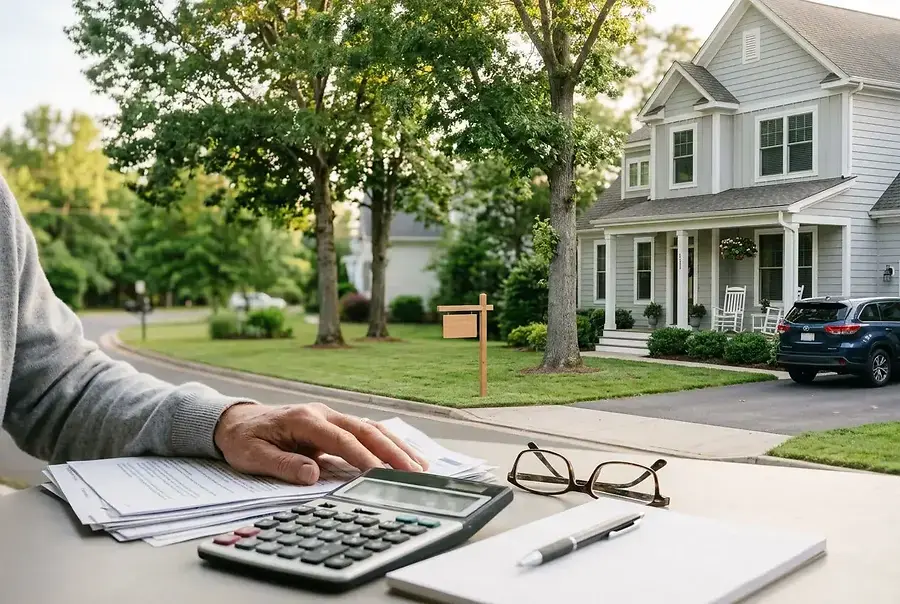
Why Property Taxes Matter for Culpeper Homeowners
Property taxes are one of the most significant financial obligations for homeowners in Culpeper County. Whether you're a first-time buyer or a long-time resident, understanding how these taxes work is essential for budgeting and financial planning. Property taxes fund critical community services including schools, roads, emergency services, and local infrastructure that directly impact your quality of life.
Many homeowners are surprised by their tax bills because they don't fully understand how assessments are calculated or what options are available to reduce their burden. This guide will demystify the process and empower you to make informed decisions about your property tax obligations.
How Property Taxes Are Calculated in Culpeper County
The Assessment Process
The foundation of your property tax bill begins with a professional assessment of your home's value. The Culpeper County Assessor's office conducts regular evaluations of all residential properties to determine their fair market value. This assessment considers several factors:
- Property size and square footage of the main structure and any outbuildings
- Land value based on location, lot size, and neighborhood characteristics
- Age and condition of the building and its major systems
- Recent comparable sales in the area to ensure fair market valuation
- Special features such as pools, garages, or renovations
The Tax Calculation Formula
Once your property is assessed, calculating your tax bill is straightforward. The formula is simple: Assessed Value × Tax Rate = Annual Property Tax. However, understanding each component is crucial for homeowners.
The assessed value is typically a percentage of the fair market value, not the full market price. In Culpeper County, properties are assessed at their fair market value, which is then multiplied by the applicable tax rate. The tax rate is expressed per $100 of assessed value, making it easy to calculate your obligations.
Understanding Your Assessment Notice
When you receive your assessment notice, you'll see the assessed value of your land and improvements listed separately. It's important to review this notice carefully and compare it to recent sales of similar properties in your neighborhood. If you believe the assessment is inaccurate, you have the right to appeal within a specific timeframe.
Tax Rates, Exemptions, and Relief Programs Available
Current Tax Rates in Culpeper County
Culpeper County's tax rates vary depending on the type of property and its classification. Residential properties typically have different rates than commercial or agricultural properties. The county adjusts tax rates annually based on budget needs and revenue projections. It's wise to contact the Culpeper County Treasurer's office or visit their website for the most current rates applicable to your property classification.
Homestead Property Tax Exemption
Virginia offers a Homestead Property Tax Exemption that can significantly reduce your tax burden. This exemption allows eligible homeowners to exclude a portion of their home's assessed value from taxation. To qualify, you must:
- Own and occupy the property as your primary residence
- Have owned the property for at least two years (with some exceptions)
- Meet income requirements set by the county
- Apply through the Culpeper County Assessor's office
The exemption amount varies by county and is adjusted annually. This program can result in substantial savings for qualifying homeowners, particularly seniors and disabled individuals.
Agricultural and Forest Land Use Assessments
If you own agricultural or forest land in Culpeper County, you may qualify for preferential tax assessment. Rather than being assessed at fair market value, these properties can be assessed based on their current use value, which is typically much lower. This program encourages landowners to maintain agricultural and forest operations rather than converting land to development.
Senior and Disabled Citizen Relief Programs
Culpeper County provides additional tax relief for seniors and disabled citizens who meet specific criteria. These programs may include:
- Tax deferral programs that allow eligible seniors to defer payment until the property is sold
- Additional exemptions beyond the standard homestead exemption
- Income-based relief for those with limited financial resources
To learn if you qualify, contact the Culpeper County Assessor's office directly.
Many eligible residents don't claim these benefits simply because they're unaware they exist—don't let that be you.
Appealing Your Assessment
If you believe your property has been assessed too high, you have the right to appeal. The process typically involves:
- Filing a formal appeal with the Board of Equalization within the designated timeframe
- Providing evidence such as recent appraisals or comparable sales data
- Attending a hearing to present your case
- Receiving a decision that may result in a reduced assessment
This process is free and can result in significant tax savings if successful.
Planning Your Budget with Property Tax Knowledge
Armed with understanding of how property taxes work in Culpeper County, you can now plan more effectively. Set aside funds monthly for your annual tax obligation rather than facing a large bill unexpectedly. If you have a mortgage, your lender likely requires you to pay taxes through an escrow account, which spreads payments throughout the year.
Review your assessment notice annually, stay informed about available exemptions and relief programs, and don't hesitate to appeal if you believe your assessment is inaccurate. By taking an active role in understanding your property tax obligations, you'll be better positioned to manage your finances and ensure you're not paying more than necessary.
Property taxes are a permanent part of homeownership, but they don't have to be a mystery. With this knowledge, you're equipped to navigate the system confidently and protect your financial interests as a Culpeper County homeowner.
