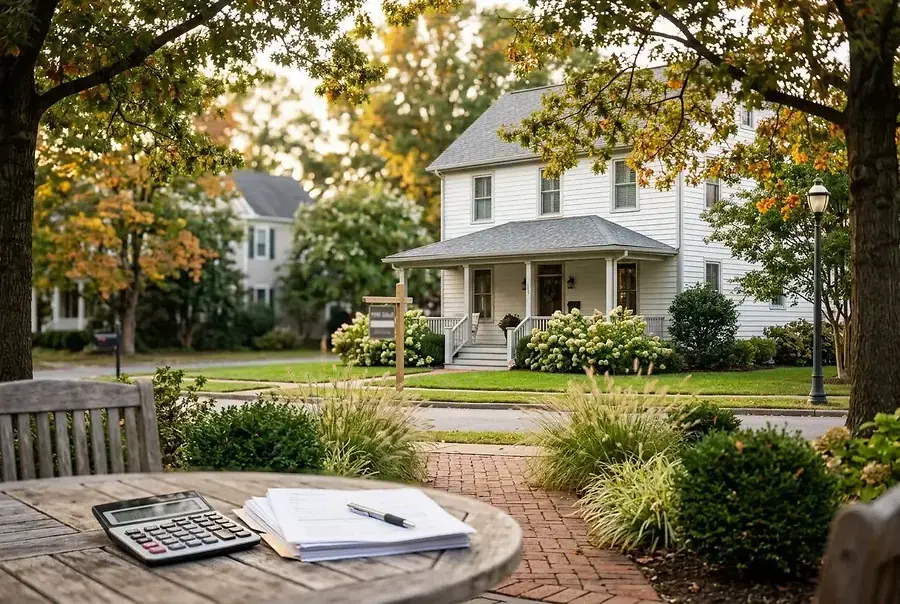
Introduction: The Hidden Costs of Homeownership in Easton
When you're considering purchasing a home in Easton, Maryland, the purchase price is just the beginning of your financial commitment. One of the most significant ongoing expenses that many first-time homebuyers overlook is property taxes. These annual payments can substantially impact your long-term ownership costs and monthly budget, making it essential to understand how they work before you sign on the dotted line.
Property taxes in Talbot County are a crucial component of homeownership that directly affects your bottom line. Whether you're a first-time buyer or an experienced investor, understanding the intricacies of Easton's property tax system will empower you to make smarter financial decisions and avoid unpleasant surprises down the road.
How Easton Property Taxes Are Calculated and Assessed
Understanding the Assessment Process
Property taxes in Easton begin with a property assessment, which determines the estimated market value of your home. The Talbot County Assessor's Office conducts these assessments to establish a baseline for tax calculations. The assessed value is typically a percentage of the property's actual market value, not the full purchase price.
The assessment process involves:
- Physical inspection of the property by county assessors
- Evaluation of comparable properties in the area
- Analysis of recent sales data and market trends
- Consideration of property improvements and renovations
- Review of property characteristics such as size, age, and condition
Tax Rate Calculation
Once your property is assessed, the Talbot County tax rate is applied to determine your annual tax bill. The tax rate is expressed as a percentage or per $100 of assessed value. In Easton, the property tax rate varies depending on whether your property is classified as residential, commercial, or agricultural.
Your annual property tax bill is calculated as follows:
Assessed Value × Tax Rate = Annual Property Tax
For example, if your home is assessed at $300,000 and the residential tax rate is 0.89% (or $0.89 per $100 of assessed value), your annual property tax would be approximately $2,670. This amount is typically divided into quarterly or semi-annual payments.
Additional Factors Affecting Your Tax Bill
Beyond the basic calculation, several other factors can influence your final property tax bill in Easton:
- Homestead Property Tax Credit: Maryland offers a homestead property tax credit that can reduce your tax liability if you meet certain income requirements
- Senior Citizen Tax Credits: Property owners aged 65 and older may qualify for additional tax relief programs
- Agricultural Use Assessment: If your property qualifies for agricultural use, you may receive a significantly reduced assessment
- Local School Funding: A portion of your property tax supports Talbot County Public Schools
- Municipal Services: Taxes also fund local government services, infrastructure, and public safety
Comparing Tax Rates Across Easton Neighborhoods
Neighborhood Variations
While Easton operates under a unified county tax system, property values—and therefore tax bills—vary significantly across different neighborhoods. Downtown Easton properties, for instance, often command higher assessed values due to their proximity to commercial areas and walkable amenities. Conversely, properties in more rural or suburban areas of Talbot County may have lower assessments.
When comparing neighborhoods, consider:
- Average home prices and assessed values in each area
- School district quality and funding levels
- Proximity to downtown Easton and employment centers
- Access to parks, recreation, and community amenities
- Property appreciation trends over the past five years
Planning Your Budget
Understanding property tax variations across neighborhoods helps you make a more informed decision about where to buy. A home that appears affordable at first glance might have a significantly higher tax burden in a desirable neighborhood. Conversely, a property in a developing area might offer lower taxes but less appreciation potential.
When evaluating neighborhoods, calculate the total cost of ownership by including:
- Purchase price and down payment requirements
- Estimated annual property taxes
- Homeowners insurance costs
- Maintenance and repair reserves
- Potential HOA fees, if applicable
Working with Local Resources
The Talbot County Assessor's Office provides public records and assessment information that you can access before making your purchase. Many real estate agents in Easton are also well-versed in local tax implications and can provide valuable insights into how taxes vary by neighborhood. Don't hesitate to ask questions and request detailed tax estimates for properties you're considering.
Conclusion: Making an Informed Decision About Your Easton Investment
Property taxes are a permanent part of homeownership in Easton, and understanding them is crucial to making a sound financial investment. By familiarizing yourself with how assessments are conducted, how tax rates are calculated, and how taxes vary across neighborhoods, you'll be better equipped to evaluate the true cost of homeownership.
Before purchasing a property in Easton, take the time to:
- Request a property tax estimate from your real estate agent or the county assessor
- Review historical tax trends for properties you're interested in
- Explore available tax credits and relief programs you may qualify for
- Factor property taxes into your overall budget and affordability calculations
- Consult with a financial advisor or tax professional if needed
By approaching your Easton home purchase with a comprehensive understanding of property taxes, you'll avoid surprises and make a decision that aligns with your long-term financial goals. Remember, the cheapest house isn't always the best investment—the one that fits your budget, including all associated costs, is the true winner.