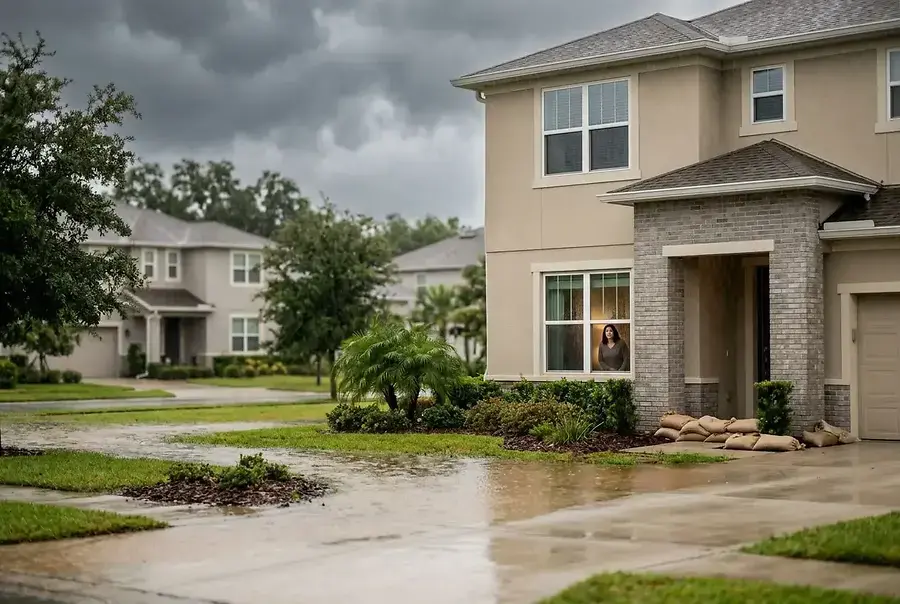
Why Flood Insurance Matters in Orlando
Orlando's unique geography and climate make flood insurance a critical consideration for homeowners. Located in Central Florida with its subtropical climate, the region experiences heavy rainfall, tropical storms, and occasional hurricanes that can lead to significant flooding. Standard homeowners insurance policies typically do not cover flood damage, leaving property owners vulnerable to substantial financial losses.
The financial impact of flooding can be devastating. A single flood event can result in tens of thousands of dollars in damage to your home, including structural damage, mold remediation, and replacement of personal belongings. Flood insurance provides essential protection that can mean the difference between recovering quickly and facing years of financial hardship.
Whether your home is in a designated flood zone or not, understanding your flood risk and insurance options is crucial for protecting your investment and ensuring peace of mind.
Flood Risk Assessment: Is Your Orlando Home in a Flood Zone?
Understanding FEMA Flood Maps
The first step in assessing your flood risk is determining whether your property falls within a designated flood zone. The Federal Emergency Management Agency (FEMA) maintains detailed flood maps that categorize areas based on flood risk levels:
- High-Risk Zones (A and AE): These areas have a 1% annual chance of flooding. If your mortgage is backed by a federally-regulated lender, flood insurance is mandatory in these zones.
- Moderate-Risk Zones (X-shaded): These areas have a 0.2% to 1% annual chance of flooding. While not required, flood insurance is still recommended.
- Low-Risk Zones (X-unshaded): These areas have less than a 0.2% annual chance of flooding, though flooding is still possible during extreme weather events.
How to Check Your Flood Zone
You can determine your property's flood zone status by visiting the FEMA Flood Map Service Center online or contacting your local Orange County or Seminole County emergency management office. Having this information is the foundation for making informed decisions about your flood insurance needs.
Additional Risk Factors in Orlando
Beyond official flood zones, several factors increase flooding risk in the Orlando area:
- Proximity to lakes, rivers, and retention ponds
- Low-lying elevation relative to surrounding areas
- Aging stormwater infrastructure in some neighborhoods
- Increased urbanization affecting natural drainage patterns
Flood Insurance Options: NFIP vs. Private Policies Explained
National Flood Insurance Program (NFIP)
The NFIP is a federal program that provides flood insurance to property owners, renters, and businesses. This is the most common flood insurance option for Orlando homeowners.
Advantages of NFIP:
- Standardized coverage and pricing across the nation
- Available in most areas, regardless of risk level
- Mandatory for properties in high-risk zones with federally-backed mortgages
- Coverage limits up to $250,000 for residential structures and $100,000 for personal property
Disadvantages of NFIP:
- Waiting period of 30 days before coverage begins (with exceptions)
- Does not cover all types of water damage (e.g., sump pump failures, groundwater)
- Premiums can be expensive, especially in high-risk areas
- Coverage limits may be insufficient for high-value properties
Private Flood Insurance Policies
In recent years, private insurers have entered the flood insurance market, offering alternatives to the NFIP. These policies are underwritten by private insurance companies and may offer different terms and coverage options.
Advantages of Private Policies:
- Potentially lower premiums in some cases
- More flexible coverage options and higher limits
- Faster claims processing in some instances
- No mandatory 30-day waiting period
Disadvantages of Private Policies:
- Limited availability in high-risk areas
- May require higher deductibles
- Less regulatory oversight than NFIP
- Insurers may exit the market, leaving policyholders without coverage
Choosing the Right Policy for Your Situation
The best flood insurance option depends on your specific circumstances.
Consider your property's location, elevation, flood history, and financial situation when comparing NFIP and private policies.If you're in a high-risk zone, NFIP may be your only option. For moderate or low-risk areas, comparing quotes from both NFIP and private insurers can help you find the most cost-effective coverage.
Protecting Your Investment and Peace of Mind
Flood insurance is not just a financial requirement—it's a crucial investment in your family's security and your property's future. By understanding your flood risk and selecting appropriate coverage, you can protect your home and belongings from one of nature's most destructive forces.
Take action today by checking your flood zone status, reviewing your current insurance coverage, and obtaining quotes for flood insurance. Don't wait for the next storm season to discover gaps in your protection. With proper flood insurance in place, you can face Florida's weather with confidence, knowing that your most valuable asset is protected.