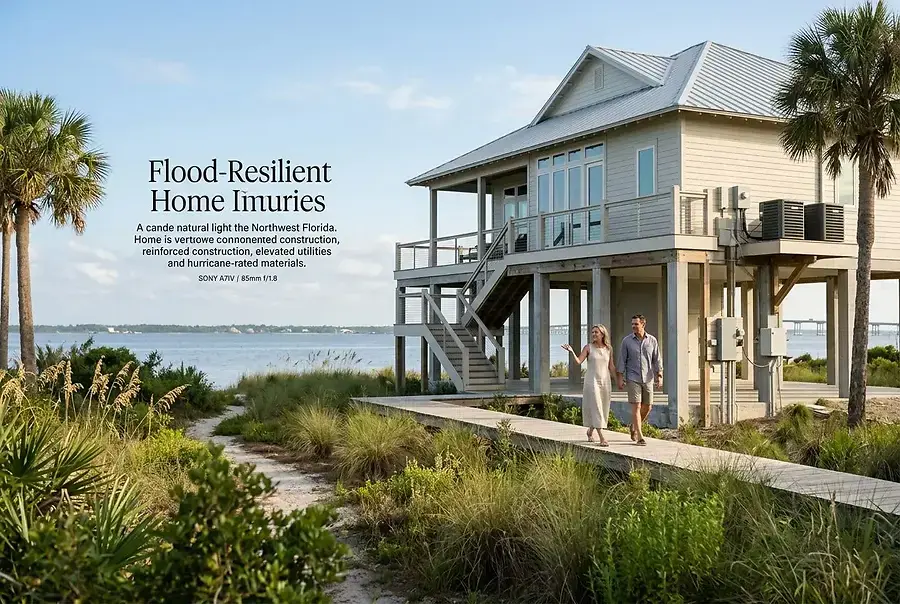
Flood Risk as a Critical Home-Buying Factor in Coastal Communities
Purchasing a home in Northwest Florida offers beautiful coastal living, but it comes with significant considerations regarding flood risk. Whether you're looking at properties in Pensacola, Gulf Breeze, Navarre, or surrounding areas, understanding flood zones and their implications is essential for making an informed investment decision. Flood risk isn't just an environmental concern—it directly impacts property values, insurance costs, and your long-term financial security.
Many homebuyers overlook flood risk during the purchasing process, focusing instead on aesthetics and location. However, properties in flood-prone areas can experience dramatic shifts in value, especially after major weather events. By educating yourself about flood classifications, insurance requirements, and mitigation strategies, you can protect your investment and make confident decisions about your future home.
Flood Zone Classifications and What They Mean for Your Property Value
Understanding FEMA Flood Zones
The Federal Emergency Management Agency (FEMA) classifies properties into different flood zones based on historical data and risk assessments. These classifications determine whether flood insurance is required and how much you can expect to pay for coverage.
- Zone A (High Risk): These areas have a 1% annual chance of flooding, also known as the "100-year floodplain." Properties in Zone A require mandatory flood insurance if financed with a federally-backed mortgage.
- Zone AE (High Risk with Elevation Data): Similar to Zone A but includes specific base flood elevation information, which helps determine insurance rates more precisely.
- Zone X (Moderate to Low Risk): These areas fall outside the 100-year floodplain but may still experience flooding. Insurance is optional but recommended.
- Zone D (Undetermined Risk): Areas where flood risk hasn't been fully determined. Lenders may still require flood insurance as a precaution.
How Flood Zones Affect Property Values
Properties in high-risk flood zones typically experience lower appreciation rates and reduced buyer interest. A home in Zone A may be worth 10-20% less than a comparable property in a lower-risk zone. Additionally, when flood events occur, properties in high-risk areas often see dramatic value decreases, making them difficult to sell or refinance.
Before purchasing, obtain a flood zone determination from FEMA's Flood Map Service Center. This free resource shows exactly where your potential property falls on the flood risk spectrum. Understanding this classification helps you negotiate better terms and make realistic financial projections.
Elevation and Mitigation Factors
The elevation of a property relative to the base flood elevation (BFE) significantly impacts both risk and insurance costs. Homes built above the BFE experience lower insurance premiums and reduced flood risk. If you're considering a property in a high-risk zone, ask whether it has been elevated or if elevation is feasible. Elevating a home can reduce insurance costs by 30-60% and substantially decrease actual flood risk.
Insurance Costs, Mitigation Strategies, and Long-Term Home Protection
Flood Insurance Requirements and Costs
If your property is in a high-risk flood zone and financed with a federally-backed mortgage, flood insurance is mandatory. Standard homeowners insurance does not cover flood damage, making this a separate and essential expense.
- Properties in Zone A can expect annual premiums ranging from $800 to $3,000+, depending on elevation and property characteristics.
- Premiums in moderate-risk zones typically range from $300 to $1,000 annually.
- Low-risk properties may pay $100-$300 per year for optional coverage.
When budgeting for a home purchase, factor flood insurance into your monthly mortgage calculations. Over a 30-year mortgage, flood insurance can add $10,000 to $90,000 to your total housing costs.
Proactive Mitigation Strategies
Beyond insurance, several mitigation strategies can reduce your flood risk and potentially lower insurance premiums:
- Elevation: Raising the structure above the base flood elevation is the most effective mitigation method.
- Flood Vents: Installing vents in foundation walls allows water to flow through rather than building pressure against the structure.
- Wet Floodproofing: Designing lower levels to withstand water intrusion with water-resistant materials and removable fixtures.
- Dry Floodproofing: Sealing walls and installing barriers to prevent water entry during minor flooding events.
- Improved Drainage: Installing proper grading, sump pumps, and drainage systems to direct water away from the property.
- Backup Power Systems: Generators ensure critical systems remain operational during and after flooding events.
Long-Term Property Resilience
Building resilience into your property protects your investment for decades. Consider properties with:
- Elevated utilities and HVAC systems positioned above potential flood levels
- Impact-resistant windows and reinforced doors
- Permeable landscaping that reduces runoff and flooding
- Proximity to natural or constructed stormwater management systems
Smart homebuyers in Northwest Florida view flood mitigation not as an expense, but as an investment in long-term property protection and value preservation.
Working with Professionals
Before finalizing any purchase, hire a qualified home inspector familiar with flood risk assessment. Additionally, consult with a flood insurance agent to understand your specific costs and coverage options. Real estate agents experienced in coastal properties can provide valuable insights into local flood history and neighborhood resilience.
Making Informed Decisions About Flood-Prone Properties
Purchasing a home in Northwest Florida doesn't mean avoiding flood-prone areas entirely—it means making informed decisions based on comprehensive risk assessment. By understanding flood zone classifications, calculating true insurance costs, and implementing mitigation strategies, you can confidently invest in coastal properties.
Take time to research your specific property's flood history, speak with neighbors about past flooding events, and review local stormwater management plans. Ask sellers about any previous flood damage and review insurance claims history if available.
Ultimately, successful home buying in flood-prone areas requires balancing lifestyle preferences with financial realities. A beautiful home in Pensacola or Gulf Breeze can be an excellent investment when you fully understand and plan for flood risks. By following this guide and consulting with qualified professionals, you'll make a purchase decision that protects your family and your financial future.
