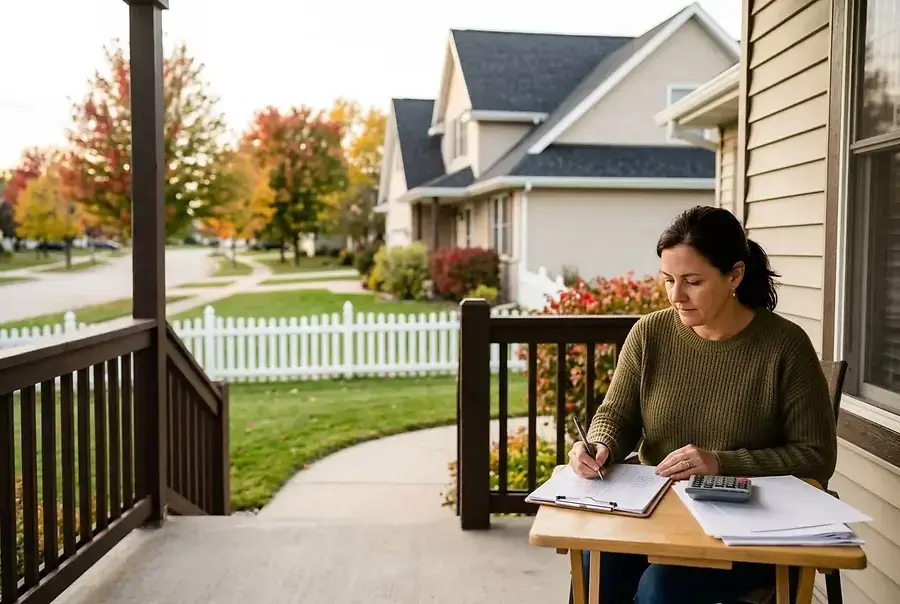
Introduction: Beyond the Purchase Price
When most people think about buying a home in Green Bay, they focus on the purchase price and mortgage payments. However, the true cost of homeownership extends far beyond these initial figures. Understanding the complete financial picture is essential for making a sound investment decision and avoiding financial surprises down the road.
Many first-time homebuyers are caught off guard by the hidden expenses that come with owning property. From property taxes to insurance premiums, maintenance costs, and utilities, these expenses can significantly impact your monthly budget. This comprehensive guide will help you navigate the financial landscape of Green Bay homeownership.
Property Taxes, Insurance, and Maintenance Expenses in Green Bay
Understanding Green Bay Property Taxes
Property taxes are one of the most substantial ongoing costs of homeownership in Green Bay. Wisconsin has a moderate property tax rate compared to national averages, but the exact amount you'll pay depends on several factors:
- Assessed Property Value: Your home's assessed value is determined by the local assessor and forms the basis for your tax calculation.
- Tax Rate: Green Bay's tax rate varies by neighborhood and school district, typically ranging from 1.2% to 1.5% of assessed value annually.
- Assessment Changes: Property assessments are reviewed periodically, which can result in tax increases or decreases.
For a home valued at $250,000, you could expect annual property taxes between $3,000 and $3,750. This translates to approximately $250 to $312 per month—a significant portion of your housing budget.
Homeowners Insurance Requirements
Lenders require homeowners insurance as a condition of your mortgage, and for good reason. This essential coverage protects your investment from fire, theft, and other covered perils. In Green Bay, several factors influence your insurance premiums:
- Home Age and Construction: Newer homes with modern construction materials typically have lower premiums.
- Location: Proximity to fire stations and crime rates affect your rates.
- Coverage Amount: Higher coverage limits result in higher premiums.
- Deductible: Choosing a higher deductible can lower your monthly payments.
Average homeowners insurance in Green Bay ranges from $1,000 to $1,500 annually, or roughly $85 to $125 per month. Don't forget to budget for flood insurance if your property is in a flood-prone area.
Maintenance and Repair Costs
One of the most overlooked expenses in homeownership is routine maintenance and unexpected repairs. Unlike renting, you're responsible for everything from roof repairs to plumbing issues. Financial experts recommend budgeting 1% to 2% of your home's purchase price annually for maintenance.
For a $250,000 home, this means setting aside $2,500 to $5,000 per year, or approximately $200 to $400 monthly. Common expenses include:
- HVAC system maintenance and repairs
- Roof inspections and repairs
- Plumbing and electrical work
- Appliance replacements
- Exterior painting and landscaping
- Water heater replacement
Pro tip: Create a dedicated savings account for home maintenance to avoid financial stress when unexpected repairs arise.
Additional Homeownership Expenses
Beyond taxes, insurance, and maintenance, several other costs deserve attention:
- Utilities: Heating, cooling, water, and electricity typically cost $150-$250 monthly in Green Bay.
- HOA Fees: If applicable, these can range from $50 to $300+ monthly.
- Property Improvements: Upgrades and renovations add to your long-term costs.
- Pest Control: Regular treatments may cost $30-$50 monthly.
Budget Planning Tips for New and Experienced Homebuyers
Create a Comprehensive Budget
Start by listing all potential homeownership expenses. Include your mortgage payment, property taxes, insurance, utilities, maintenance reserves, and any other recurring costs. A good rule of thumb is that your total housing costs should not exceed 28% of your gross monthly income.
Use the 50/30/20 Rule
Consider allocating your budget as follows: 50% for needs (including housing), 30% for wants, and 20% for savings and debt repayment. This framework helps ensure you maintain financial flexibility while covering essential homeownership expenses.
Build an Emergency Fund
Before purchasing a home, establish an emergency fund covering 3-6 months of expenses. This safety net protects you when unexpected repairs or financial hardships occur.
A well-funded emergency fund is the difference between managing a crisis and facing financial disaster.
Get Pre-Approved and Understand Your Numbers
Work with a mortgage lender to understand exactly what you can afford. Pre-approval gives you a clear picture of your borrowing capacity and helps you shop confidently. Remember: just because you're approved for a certain amount doesn't mean you should borrow it all.
Plan for Tax and Insurance Increases
Property taxes and insurance premiums typically increase over time. Budget conservatively by assuming a 2-3% annual increase. This approach prevents budget surprises and builds in a financial cushion.
Consider Long-Term Costs
Think beyond the first few years. Major systems like roofs, HVAC units, and water heaters have finite lifespans. Understanding when these replacements might occur helps you plan financially and avoid being caught off guard.
Conclusion: Making an Informed Financial Decision
Buying a home in Green Bay is an exciting milestone, but it requires careful financial planning. By understanding property taxes, insurance costs, maintenance expenses, and other hidden costs, you can make an informed decision that aligns with your financial goals.
The key to successful homeownership is preparation. Take time to research costs specific to your desired neighborhood, get pre-approved for a mortgage, and create a realistic budget that accounts for all expenses. Don't let hidden costs derail your homeownership dreams—instead, embrace them as part of your financial planning process.
With proper planning and a clear understanding of the complete financial picture, you'll be well-equipped to navigate the Green Bay real estate market and enjoy the benefits of homeownership for years to come.