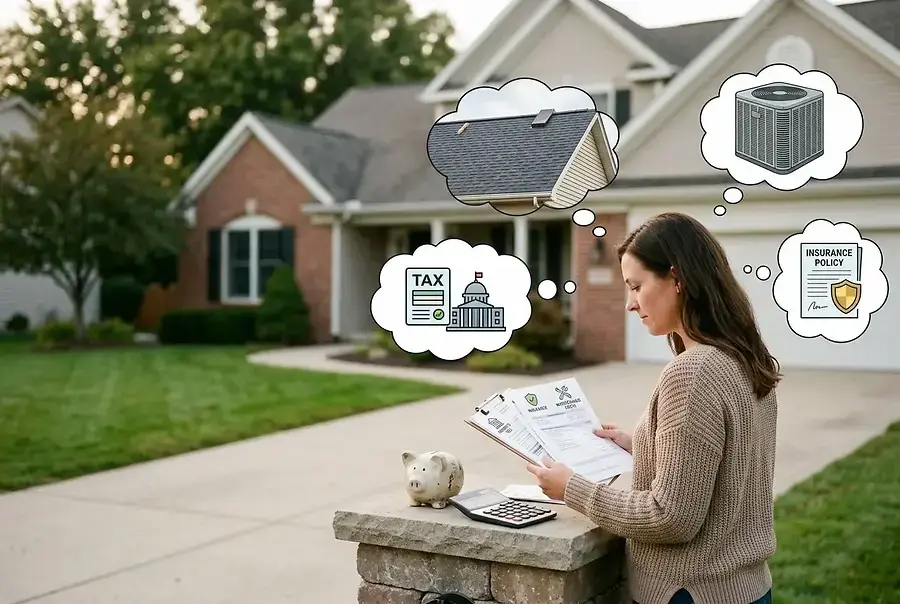
Understanding the True Cost of Homeownership
Buying a home is often considered the American dream, but many first-time homeowners are shocked to discover that the monthly mortgage payment is just the tip of the iceberg. While your mortgage represents a significant portion of your housing costs, numerous hidden expenses can quickly add up and strain your budget if you're not prepared. Understanding these costs before you purchase a home—or if you're already a homeowner—is crucial for maintaining financial stability and avoiding unpleasant surprises.
The difference between your mortgage payment and your true cost of homeownership can be substantial. In fact, many financial experts suggest that homeowners should budget for expenses that can range from 1% to 4% of their home's value annually, beyond the mortgage itself. This comprehensive guide will help you identify and plan for these often-overlooked costs.
Major Hidden Expenses
Property Taxes
One of the most significant hidden costs of homeownership is property taxes. Unlike renters, homeowners are responsible for paying annual property taxes, which vary dramatically depending on your location and local tax rates. Property taxes can range from less than 1% to over 2% of your home's value each year.
What makes property taxes particularly challenging is that they typically increase over time. As your home's assessed value rises, so do your tax obligations. Many homeowners are caught off guard when their property taxes increase significantly after a reassessment. It's essential to:
- Research your local property tax rates before purchasing
- Budget for annual increases
- Understand your local assessment schedule
- Explore any available tax exemptions or deductions
Homeowners Insurance
If you have a mortgage, your lender will require you to carry homeowners insurance. This essential protection covers damage to your home and personal liability, but it's another monthly expense that extends beyond your mortgage payment. Insurance premiums depend on factors such as your home's age, location, construction type, and claims history.
Beyond standard homeowners insurance, you may also need to consider:
- Flood insurance – often not covered by standard policies
- Earthquake insurance – essential in seismic zones
- Umbrella policies – for additional liability protection
Insurance costs can fluctuate based on market conditions and your claims history, so budget for potential increases.
Maintenance and Repairs
Perhaps the most unpredictable hidden cost is home maintenance and repairs. Unlike renting, where your landlord handles most repairs, homeowners are responsible for everything from fixing a leaky roof to replacing the HVAC system. The general rule of thumb is to budget 1% of your home's purchase price annually for maintenance and repairs.
Common maintenance expenses include:
- Roof repairs or replacement
- HVAC system maintenance and replacement
- Plumbing repairs
- Electrical work
- Foundation issues
- Appliance repairs and replacements
- Painting and exterior maintenance
Older homes typically require more maintenance, so factor in your home's age when budgeting. Creating a home maintenance fund can help you handle unexpected repairs without derailing your finances.
HOA Fees
If you purchase a property in a community with a homeowners association (HOA), you'll be responsible for monthly or annual HOA fees. These fees can range from $100 to several hundred dollars monthly, depending on the community and amenities provided. HOA fees typically cover common area maintenance, landscaping, security, and amenities like pools or fitness centers.
It's important to understand that HOA fees can increase over time, and special assessments may be levied for major repairs or improvements to common areas. Before purchasing a property with an HOA, review the association's financial statements and reserve fund to understand potential future costs.
Utilities and Services
Homeowners are responsible for all utility costs, including electricity, gas, water, sewer, and trash removal. Unlike some rental situations where utilities might be included, homeowners bear the full burden of these expenses. Additionally, you may need to budget for:
- Internet and cable services
- Lawn care and landscaping
- Pest control
- Chimney cleaning and inspection
- Well and septic system maintenance (if applicable)
Utility costs vary seasonally, so budget for higher heating costs in winter and cooling costs in summer.
Planning Your Budget for Long-Term Ownership
Create a Comprehensive Budget
To avoid financial stress, create a detailed budget that accounts for all homeownership costs. Start by calculating your mortgage payment, then add property taxes, insurance, HOA fees, and estimated utilities. Finally, set aside funds for maintenance and unexpected repairs.
Pro Tip: Many financial advisors recommend that your total housing costs—including mortgage, taxes, insurance, and utilities—should not exceed 28% of your gross monthly income.
Build an Emergency Fund
Establish a dedicated emergency fund specifically for home repairs. Aim to save at least 1% of your home's value annually, or approximately $100-$200 per month for a $200,000 home. This fund will help you handle unexpected expenses without resorting to credit cards or loans.
Track and Review Regularly
Monitor your actual expenses against your budget. Keep records of all maintenance and repairs, and review your budget annually. This practice helps you identify trends and adjust your budget accordingly. As your home ages, maintenance costs may increase, requiring budget adjustments.
Taking Control of Your Financial Future as a Homeowner
Homeownership is a rewarding investment, but it requires careful financial planning and realistic budgeting. By understanding and accounting for hidden costs beyond your mortgage, you can avoid financial surprises and build long-term wealth through your home.
The key to successful homeownership is preparation and awareness. Before purchasing a home, thoroughly research your local property taxes, insurance rates, and typical maintenance costs for homes in your area. If you're already a homeowner, take time to review your current expenses and adjust your budget to ensure you're prepared for all costs associated with your property.
Remember, the true cost of homeownership extends far beyond the mortgage payment. By budgeting comprehensively and maintaining an emergency fund, you'll be better equipped to handle whatever expenses come your way and enjoy the benefits of homeownership without financial stress.