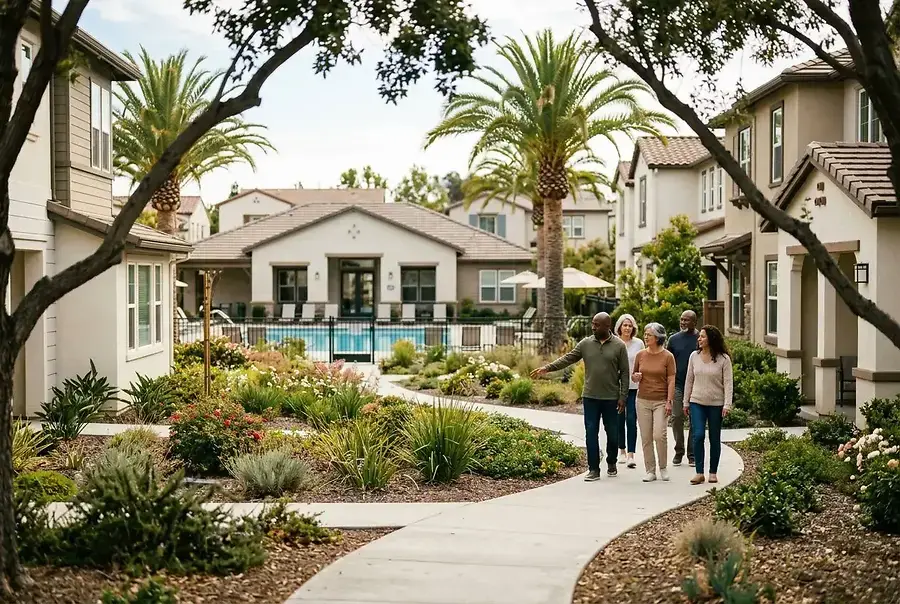
Why HOA Fees Matter in Peninsula Real Estate
When purchasing a home in the Peninsula region—including communities like Burlingame, San Mateo, San Bruno, Belmont, San Carlos, and Menlo Park—many buyers focus primarily on the property price and mortgage payments. However, homeowners association (HOA) fees represent a significant ongoing expense that can substantially impact your monthly budget and long-term financial planning.
HOA fees are mandatory payments that homeowners in communities with shared amenities and common areas must contribute. These fees fund the maintenance, management, and improvement of community spaces that benefit all residents. Understanding these costs before making a purchase decision is crucial for avoiding financial surprises and ensuring your investment aligns with your budget.
The Peninsula's diverse neighborhoods each have unique HOA structures and fee schedules. Whether you're drawn to the coastal charm of San Bruno, the suburban appeal of Belmont, or the tech-forward communities of San Carlos and Menlo Park, knowing what you'll pay in HOA fees is essential to your home-buying strategy.
Breaking Down HOA Costs and What's Included in Your Monthly Dues
Common Components of HOA Fees
HOA fees typically cover a range of services and maintenance responsibilities. Understanding what's included in your monthly dues helps you evaluate whether the costs are reasonable for your community. Common expenses include:
- Maintenance and Repairs: Upkeep of common areas, landscaping, parking lots, and building exteriors
- Utilities: Water, gas, electricity, and trash collection for shared spaces
- Insurance: Liability coverage for common areas and community buildings
- Management Services: Professional HOA management company fees for administration and record-keeping
- Amenities: Pool maintenance, fitness center operations, community center upkeep, and recreational facilities
- Security: Gate maintenance, security patrols, and surveillance systems where applicable
- Reserve Funds: Contributions toward major repairs and replacements of community infrastructure
Special Assessments and Additional Costs
Beyond regular monthly fees, homeowners should be aware of special assessments—additional charges levied when unexpected repairs or major projects arise. A roof replacement, parking lot resurfacing, or significant structural repair might trigger a special assessment. When evaluating a property, review the HOA's financial statements and reserve fund status to gauge the likelihood of future special assessments.
Some communities also charge separate fees for specific amenities or services, such as parking permits, guest parking, or pet fees. These additional costs can add hundreds of dollars annually to your HOA expenses.
Comparing HOA Expenses Across Different Peninsula Neighborhoods
Burlingame
Burlingame's HOA fees typically range from moderate to high, depending on the community's amenities and age of infrastructure. Newer developments with extensive amenities like pools and fitness centers tend to have higher fees. Established neighborhoods may have lower fees but potentially higher reserve contributions for aging infrastructure maintenance.
San Mateo
San Mateo presents varied HOA costs across its diverse neighborhoods. Downtown San Mateo condominiums may have higher fees due to urban amenities and shared building maintenance, while suburban areas might offer more affordable HOA structures. The city's mix of older and newer developments creates a wide range of fee schedules.
San Bruno
San Bruno communities generally feature competitive HOA fees, particularly in neighborhoods near the airport and transit corridors. Many San Bruno developments focus on practical amenities rather than luxury features, which can result in more moderate fee structures compared to other Peninsula communities.
Belmont
Belmont's HOA fees are often among the more affordable in the Peninsula, reflecting the community's suburban character and focus on essential services. However, properties in gated communities or those with extensive recreational facilities may command higher fees. It's important to compare specific developments rather than assuming all Belmont properties have similar costs.
San Carlos
San Carlos communities vary significantly in their HOA fee structures. Neighborhoods with extensive amenities, including multiple pools, tennis courts, and community centers, typically charge higher fees. More modest communities may offer lower fees while still maintaining quality common areas and services.
Menlo Park
Menlo Park's HOA fees reflect the community's upscale character and well-maintained amenities. Properties in prestigious neighborhoods with extensive recreational facilities and high-quality management services typically have higher monthly dues. However, the investment often translates to well-maintained communities and strong property values.
Key Comparison Factors
When comparing HOA fees across these Peninsula communities, consider:
- The age and condition of community infrastructure
- The scope and quality of amenities offered
- The reserve fund status and likelihood of special assessments
- The management company's reputation and efficiency
- Local property tax rates and other community costs
Making Informed Decisions About HOA Obligations
Questions to Ask Before Buying
Before committing to a property purchase, request detailed information about HOA fees and obligations:
- What is the current monthly HOA fee, and has it increased significantly in recent years?
- What services and amenities are included in the fee?
- What is the reserve fund status, and are special assessments anticipated?
- Are there any pending major repairs or infrastructure projects?
- What are the HOA's rules regarding rentals, pets, and modifications?
- How is the HOA managed, and what is the management company's track record?
Budgeting for HOA Fees
When calculating your total housing costs, include HOA fees in your monthly budget alongside mortgage payments, property taxes, and insurance. A property that seems affordable based on purchase price alone might strain your finances when HOA fees are factored in. Use HOA fees as a key metric when comparing properties across different Peninsula neighborhoods.
Long-Term Considerations
HOA fees typically increase annually, often by 3-5% or more. Factor potential fee increases into your long-term financial planning. Additionally, consider how HOA rules and community character align with your lifestyle and values. A community with strict rules might maintain property values but could limit your freedom to personalize your home.
Understanding HOA fees is not just about knowing your monthly payment—it's about making a comprehensive investment decision that aligns with your financial goals and lifestyle preferences.
Conclusion: Making Informed Decisions About HOA Obligations
HOA fees are a critical component of homeownership in Peninsula communities. Whether you're considering Burlingame, San Mateo, San Bruno, Belmont, San Carlos, or Menlo Park, taking time to understand what these fees cover, how they compare across neighborhoods, and what they might cost over time will lead to smarter purchasing decisions.
By thoroughly researching HOA structures, reviewing financial documents, and asking the right questions, you can ensure that your Peninsula home purchase fits comfortably within your budget and meets your expectations for community amenities and management quality. The investment in understanding HOA obligations upfront pays dividends in financial peace of mind and residential satisfaction for years to come.