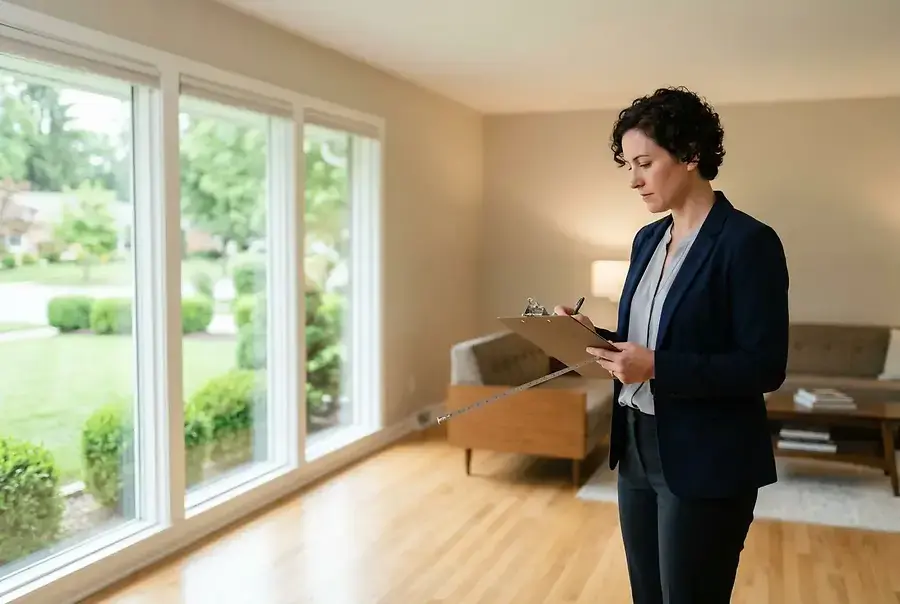
What Is a Home Appraisal and Why It Matters
A home appraisal is a professional assessment of your property's market value, conducted by a licensed appraiser. Whether you're selling, refinancing, or obtaining a mortgage, an appraisal provides an objective evaluation that protects both buyers and lenders. In Lexington, Columbia, and Blythewood, appraisals are crucial for determining fair market prices and ensuring that loan amounts align with actual property values.
The appraisal process involves a thorough inspection of your home's interior and exterior, followed by a detailed report comparing your property to similar homes in the area. This valuation directly impacts loan approval, interest rates, and the overall success of your real estate transaction. Understanding what appraisers look for can help you prepare effectively and potentially increase your home's assessed value.
Key Factors Appraisers Evaluate in Your Home
Structural Integrity and Foundation
Appraisers carefully examine your home's structural foundation, walls, roof, and overall construction quality. Any signs of settling, cracks, or water damage can significantly impact your appraisal value. A solid foundation is one of the most critical factors in determining your home's worth, as structural issues are expensive to repair and affect the property's longevity.
Interior Condition and Layout
The condition of your home's interior—including flooring, walls, ceilings, and paint—plays a major role in the appraisal. Appraisers assess:
- Cleanliness and overall maintenance
- Functional systems (plumbing, electrical, HVAC)
- Kitchen and bathroom quality and updates
- Room sizes and functional layout
- Natural lighting and ventilation
Well-maintained interiors with modern updates typically receive higher valuations than homes requiring significant repairs or renovations.
Exterior Appeal and Curb Appeal
First impressions matter. Appraisers evaluate your home's exterior, including landscaping, siding, roof condition, windows, and doors. A well-maintained yard with healthy landscaping can positively influence the appraisal, while overgrown vegetation or visible damage can lower the assessment.
Square Footage and Room Count
Accurate measurements of your home's square footage and the number of bedrooms and bathrooms are essential. Appraisers verify these details against public records and conduct their own measurements to ensure accuracy. Discrepancies can affect the final valuation.
Comparable Sales and Market Trends
Appraisers research recent sales of similar properties in Lexington, Columbia, and Blythewood to establish fair market value. They consider factors such as location, age, condition, and amenities when comparing your home to others in the area. Local market trends significantly influence the final appraisal value.
How to Prepare Your Property for an Appraisal
Clean and Declutter
A clean home makes a positive impression. Before the appraiser arrives, thoroughly clean your property, including:
- Vacuuming and mopping all floors
- Cleaning windows and mirrors
- Removing clutter from closets and storage areas
- Tidying up the yard and removing debris
- Ensuring bathrooms are spotless
Make Minor Repairs
Address small maintenance issues that are visible and easy to fix. Replace broken light fixtures, fix leaky faucets, patch drywall holes, and repair loose trim. These minor repairs demonstrate that your home is well-maintained and can positively influence the appraiser's assessment.
Enhance Curb Appeal
Invest time in your home's exterior. Mow the lawn, trim bushes, plant fresh flowers, and ensure the front entrance is welcoming. A well-maintained exterior creates a favorable first impression and can boost your appraisal value.
Organize Documentation
Prepare documentation of recent improvements, renovations, or upgrades you've made to your home. Having receipts, permits, and photos of completed work helps appraisers understand the value of your investments and may result in a higher valuation.
Ensure Appraiser Access
Make sure all areas of your home are accessible, including the attic, basement, and crawl spaces. Remove obstacles and ensure the appraiser can safely inspect every part of your property. Restricted access can raise concerns and potentially lower your appraisal.
Common Appraisal Concerns and How to Address Them
Low Appraisal Values
If your appraisal comes in lower than expected, you have options. Request a reconsideration of value by providing the appraiser with additional information about recent improvements or comparable sales they may have missed. You can also challenge the appraisal if you believe errors were made in the assessment.
Deferred Maintenance Issues
Appraisers note deferred maintenance, which can negatively impact your valuation. Address visible issues like peeling paint, damaged roofing, or broken windows before the appraisal. If major repairs are needed, be prepared to discuss them with the appraiser and understand how they affect your home's value.
Outdated Systems and Features
Older plumbing, electrical, or HVAC systems may lower your appraisal. While replacing these systems is expensive, appraisers will note their condition. If updates aren't feasible, ensure systems are functioning properly and well-maintained to minimize the impact on valuation.
Location and Market Conditions
Location significantly influences appraisal values in Lexington, Columbia, and Blythewood. While you can't change your property's location, understanding local market trends helps you set realistic expectations. Appraisers consider neighborhood desirability, proximity to schools and amenities, and overall market conditions when determining value.
Inaccurate Property Information
Verify that public records accurately reflect your home's details, including square footage, lot size, and number of rooms. Errors in public records can lead to inaccurate appraisals. If discrepancies exist, work with your local assessor's office to correct them before the appraisal.
Pro Tip: Schedule your appraisal during favorable weather and ensure your home is in its best condition. A well-presented property often receives a more favorable assessment than one that appears neglected.
Conclusion
Understanding home appraisals empowers you to take control of your property's valuation. By preparing your home thoroughly, addressing maintenance concerns, and providing appraisers with accurate information, you can maximize your appraisal value in Lexington, Columbia, and Blythewood. Whether you're buying, selling, or refinancing, a successful appraisal is a critical step toward achieving your real estate goals.