Why Home Inspections Matter in Residential Purchases
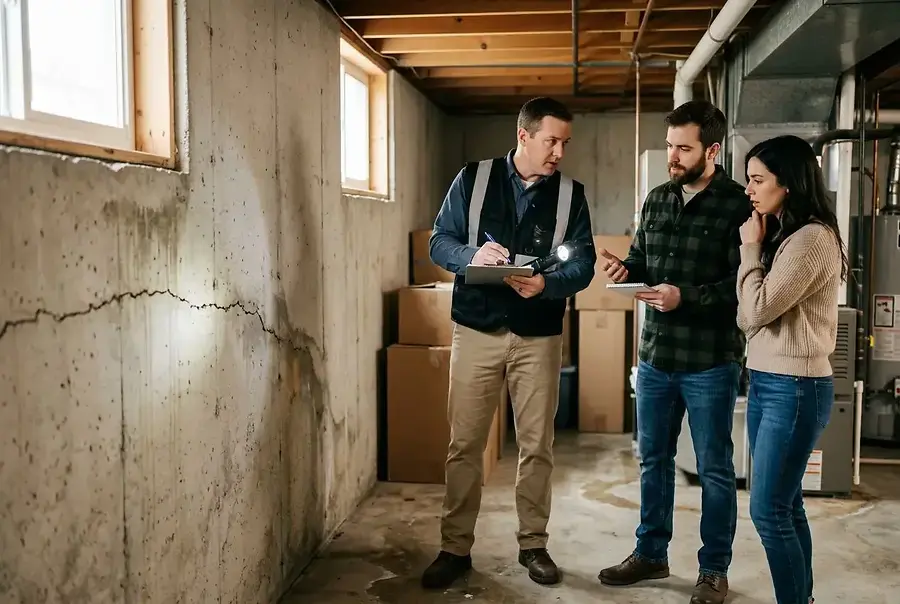
Purchasing a home is one of the most significant financial decisions you'll make in your lifetime. A professional home inspection is your opportunity to uncover potential problems before you commit to the purchase. A thorough inspection can save you thousands of dollars in unexpected repairs and help you make an informed decision about whether the property is truly worth the asking price.
Home inspectors examine everything from the foundation to the roof, checking structural integrity, electrical systems, plumbing, HVAC units, and more. Understanding what inspectors look for and recognizing red flags can empower you to negotiate better terms or walk away from a problematic property.
Common Red Flags Every Residential Buyer Should Know
Structural Issues
Structural problems are among the most serious red flags you can encounter. These include:
- Foundation cracks – While minor hairline cracks are common, large or expanding cracks indicate serious problems that require expensive repairs
- Uneven or sagging floors – This suggests foundation settling or structural damage that compromises the home's integrity
- Bowing walls – Walls that bow inward or outward indicate pressure problems or foundation failure
- Water damage in basements – Persistent moisture or flooding suggests poor drainage and potential mold issues
If you encounter structural red flags, consider hiring a structural engineer for a second opinion before proceeding.
Roofing and Water Damage
The roof is your home's first line of defense against the elements. Watch for:
- Missing or damaged shingles
- Sagging roof lines
- Water stains on ceilings and walls
- Mold or mildew in attic spaces
- Deteriorated flashing around chimneys and vents
Roof replacement is one of the most expensive home repairs, often costing $10,000 to $25,000 or more. A roof nearing the end of its lifespan should factor heavily into your negotiation strategy.
Electrical and Plumbing Systems
Outdated or faulty electrical and plumbing systems pose safety risks and require costly upgrades:
- Outdated wiring – Aluminum wiring or knob-and-tube wiring increases fire risk and may not meet current code requirements
- Insufficient electrical capacity – Older homes may lack adequate circuits for modern appliances and devices
- Corroded pipes – Galvanized or cast iron pipes may be deteriorating and prone to leaks
- Slow drains or backups – These indicate potential sewer line issues that can be extremely expensive to repair
HVAC and Insulation Problems
Heating, ventilation, and air conditioning systems are critical for comfort and energy efficiency. Red flags include:
- Aging furnaces or air conditioning units nearing replacement
- Inadequate insulation in attics or walls
- Poor ventilation leading to moisture problems
- Asbestos in insulation or other materials
Pest Infestations and Environmental Hazards
Don't overlook signs of pest problems or environmental concerns:
- Termite damage – Wood-destroying insects can compromise structural integrity
- Mold and mildew – Health hazards that indicate moisture problems
- Lead paint – A serious health concern in homes built before 1978
- Radon – A colorless, odorless gas that increases cancer risk
How to Negotiate After Inspection Findings
Prioritize Your Findings
Not all inspection issues carry equal weight. Categorize findings into three groups:
- Critical issues – Structural problems, major water damage, or safety hazards that require immediate attention
- Important issues – Systems nearing end of life or requiring significant repairs
- Minor issues – Cosmetic problems or small repairs that are relatively inexpensive
Get Repair Estimates
Before negotiating, obtain written estimates from licensed contractors for major repairs. Sellers are more likely to take your concerns seriously when you provide concrete numbers. Use these estimates to support your negotiation requests.
Negotiation Strategies
You have several options when inspection reveals problems:
- Request repairs – Ask the seller to fix issues before closing. This ensures work is done to your standards.
- Request credits – Ask for a reduction in the purchase price to cover repair costs. This gives you control over the work.
- Request escrow – For minor issues, request funds be held in escrow until repairs are completed.
- Walk away – If issues are too extensive or costly, you may decide the property isn't worth pursuing.
"The key to successful negotiation is approaching it professionally and factually. Emotions can cloud judgment, so focus on the numbers and the actual condition of the property."
Be Reasonable and Strategic
While you want to protect your investment, being unreasonable can derail the deal. Focus your negotiation efforts on significant issues that genuinely affect the home's value or safety. Sellers are more likely to work with you if you're fair and realistic in your requests.
Making Informed Decisions for Your Residential Investment
A home inspection is an investment in your peace of mind and financial security. By understanding common red flags, obtaining professional estimates, and negotiating strategically, you position yourself to make informed decisions about one of life's biggest purchases.
Remember: a home inspection contingency in your purchase agreement gives you the right to walk away if serious problems are discovered. Use this protection wisely. Don't let emotions override logic, and don't ignore warning signs in hopes that problems will resolve themselves.
Whether you're a first-time homebuyer or an experienced investor, taking the time to understand inspection findings and negotiate effectively can save you money, stress, and future headaches. Your dream home should be a sound investment, not a financial burden.