Why Home Inspection Reports Matter for Apex Buyers
Purchasing a home is one of the most significant investments you'll make in your lifetime. For buyers in Apex, NC, a thorough home inspection report serves as your financial protection and peace of mind. Before you sign on the dotted line, a professional home inspector examines every major system and component of the property, providing you with critical information about its condition.
Home inspection reports are essential because they reveal hidden problems that aren't visible during a casual walkthrough. Whether you're buying a newly constructed home or an older property, understanding what these reports contain helps you make informed decisions and negotiate repairs or credits with sellers.
Key Areas Inspectors Evaluate in Apex Homes
Structural Components
Home inspectors begin by assessing the foundation, walls, and overall structural integrity of your Apex property. They look for signs of settling, cracks, water damage, and other issues that could compromise the home's stability. The foundation is particularly important in North Carolina, where soil conditions and weather patterns can affect structural integrity over time.
Roofing and Exterior
The roof is your home's first line of defense against the elements. Inspectors examine:
- Shingle condition and age
- Flashing around chimneys and vents
- Gutters and downspouts
- Siding and exterior walls
- Windows and doors
In Apex's climate, proper roof maintenance is crucial for preventing water intrusion and costly damage.
Plumbing Systems
Inspectors test water pressure, check for leaks, and evaluate the condition of pipes throughout the home. They also assess the water heater's age and functionality. Older homes in Apex may have outdated plumbing that requires upgrades, which is important to know before purchase.
Electrical Systems
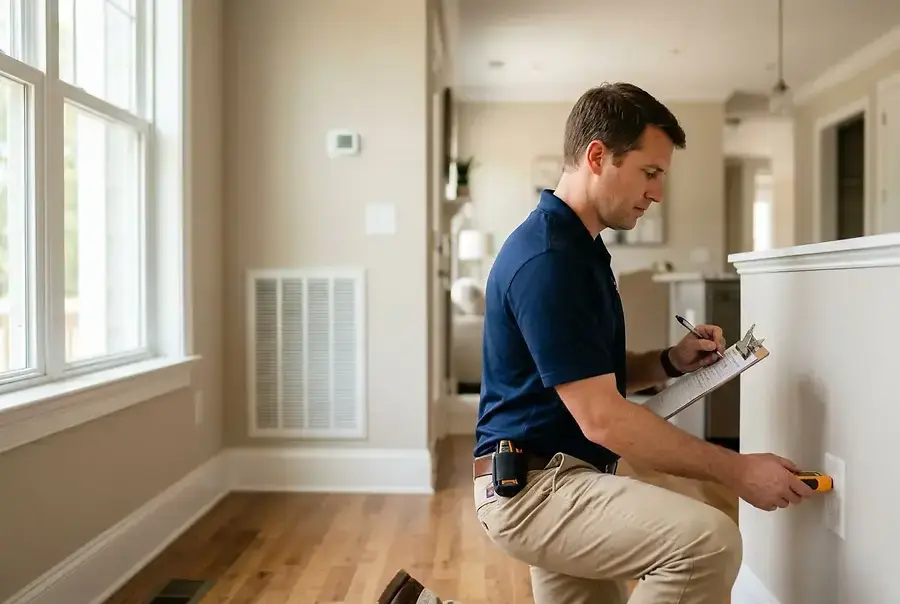
A thorough electrical inspection includes checking the panel, outlets, switches, and wiring. Inspectors ensure the system meets current safety codes and can handle modern electrical demands. This is especially important in older Apex properties that may have outdated electrical systems.
HVAC Systems
Heating, ventilation, and air conditioning systems are critical in North Carolina's climate. Inspectors evaluate:
- Furnace or heat pump condition
- Air conditioning unit functionality
- Ductwork integrity
- Thermostat operation
Interior Components
Inspectors also examine insulation, drywall, flooring, and interior doors. They look for signs of water damage, mold, pest infestation, and other issues that affect livability and safety.
How to Read and Respond to Inspection Findings
Understanding the Report Format
Home inspection reports typically categorize findings into three levels: major issues, minor issues, and maintenance recommendations. Major issues require immediate attention and can significantly impact your purchase decision. Minor issues are less urgent but should still be addressed. Maintenance recommendations are suggestions for future upkeep.
Prioritizing Issues
Not all inspection findings require renegotiation. Focus on major structural, safety, and system issues. Common problems in Apex homes include:
- Roof repairs or replacement
- HVAC system upgrades
- Plumbing or electrical updates
- Foundation concerns
- Water damage or moisture issues
Negotiation Strategies
Once you receive the inspection report, you have several options:
- Request repairs: Ask the seller to fix major issues before closing
- Request credits: Negotiate a credit toward closing costs to handle repairs yourself
- Request price reduction: Lower the purchase price to account for necessary repairs
- Walk away: If issues are too extensive, you may choose not to proceed
Your real estate agent and inspector can help you determine which approach makes the most sense for your situation.
Remember, the inspection period is your opportunity to uncover problems before you're legally obligated to purchase the property.
Getting a Second Opinion
If you're concerned about specific findings, don't hesitate to hire a specialist. For example, a structural engineer can evaluate foundation concerns, or a roofer can assess roof condition. These additional inspections provide peace of mind and strengthen your negotiating position.
Using Inspection Reports to Make Confident Purchase Decisions
A comprehensive home inspection report empowers you to make informed decisions about your Apex property purchase. Rather than viewing inspection findings as deal-breakers, consider them valuable information that helps you understand what you're buying and what investments may be needed.
Work closely with your real estate agent, inspector, and other professionals to evaluate findings in context. Some issues are cosmetic and easily fixed, while others require professional remediation. By understanding the inspection report thoroughly, you can negotiate effectively and move forward with confidence in your purchase decision.
Your home inspection is an investment in your future. Take the time to review the report carefully, ask questions, and use the information to protect your interests as an Apex homebuyer.