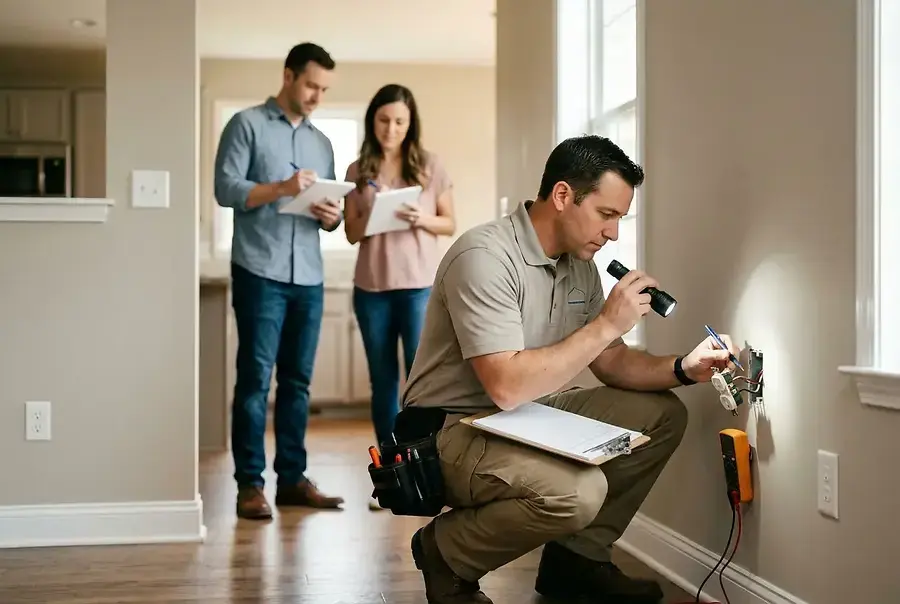
Why Home Inspections Matter for Residential Buyers
Purchasing a home is one of the most significant financial decisions you'll make in your lifetime. A professional home inspection is your opportunity to uncover potential problems before you commit to the purchase. Unlike a simple appraisal, which determines a property's market value, a home inspection provides a detailed assessment of the home's physical condition, systems, and structural integrity.
Home inspectors examine everything from the foundation to the roof, including electrical systems, plumbing, HVAC units, and appliances. This comprehensive evaluation protects your investment and helps you understand exactly what you're buying. Armed with this knowledge, you can make informed decisions about whether to proceed with the purchase, renegotiate the price, or request repairs before closing.
Key reasons to prioritize a home inspection:
- Identifies safety hazards that could pose risks to your family
- Reveals costly repairs that may be needed in the near future
- Provides leverage for price negotiations
- Gives you peace of mind about your investment
- Helps you budget for maintenance and repairs
Decoding Common Inspection Issues and Their Severity Levels
Home inspection reports can seem overwhelming at first glance, filled with technical terminology and detailed findings. Understanding how to categorize issues by severity will help you prioritize your concerns and determine which problems require immediate attention.
Critical Issues That Demand Immediate Attention
Some inspection findings pose serious safety risks or indicate major structural problems. These issues should typically be addressed before you close on the property:
- Foundation problems: Cracks, settling, or water intrusion in the foundation can lead to catastrophic structural failure
- Electrical hazards: Faulty wiring, outdated panels, or improper grounding create fire and shock risks
- Roof damage: Missing shingles, leaks, or structural deterioration can result in water damage and mold
- Plumbing issues: Burst pipes, sewage backups, or contaminated water supplies are health hazards
- Mold and asbestos: These environmental hazards require professional remediation
Moderate Issues Worth Negotiating
These problems aren't immediately dangerous but will likely require repairs within a few years. They're excellent candidates for negotiation:
- HVAC systems nearing the end of their lifespan
- Water heaters that are aging or inefficient
- Roof nearing replacement age but not yet leaking
- Outdated electrical outlets or switches
- Minor plumbing leaks or water stains
Minor Issues You Can Often Accept
Some findings are cosmetic or represent normal wear and tear. These typically don't warrant renegotiation:
- Caulking that needs refreshing
- Paint touch-ups or wall repairs
- Loose cabinet handles or hinges
- Weatherstripping that needs replacement
- Minor landscaping concerns
Pro tip: Ask your inspector to clarify the urgency of each finding. A good inspector will help you understand which issues are deal-breakers versus those that can be addressed over time.
Using Inspection Reports to Negotiate Repairs and Credits
Once you have your inspection report in hand, you're in a strong position to negotiate with the seller. Here's how to approach this critical phase of the buying process:
Organize Your Findings
Create a prioritized list of issues you want addressed. Group them by severity and estimated cost. This organization helps you present a clear, professional case to the seller and their agent. Focus on the most significant problems first—sellers are more likely to negotiate on major issues than minor ones.
Get Repair Estimates
Before entering negotiations, obtain quotes from licensed contractors for the major repairs identified in the inspection. These estimates give you concrete numbers to reference and demonstrate that you've done your homework. Sellers are more likely to take your requests seriously when you can cite specific repair costs.
Decide on Your Negotiation Strategy
You have three main options when dealing with inspection issues:
- Request repairs: Ask the seller to fix problems before closing. This ensures the work is done to your specifications, though the seller may use the cheapest contractor available.
- Request credits: Ask for a credit toward closing costs to handle repairs yourself after purchase. This gives you control over the quality of work.
- Request price reduction: Negotiate a lower purchase price to account for needed repairs. This is often the most flexible option.
Present Your Case Professionally
Work with your real estate agent to submit a formal repair request or renegotiation proposal. Keep your tone professional and factual. Rather than saying "the roof is terrible," reference the inspector's findings: "The inspection report indicates the roof has reached the end of its serviceable life and requires replacement within the next 12 months, with an estimated cost of $8,000-$12,000."
Be prepared to compromise. Sellers rarely agree to every repair request. Prioritize your must-haves and be willing to accept the home as-is on minor issues. This flexibility often leads to successful negotiations.
Making Informed Decisions Based on Inspection Results
The inspection report is ultimately a tool to help you make the best decision for your situation. Consider these factors as you evaluate your options:
- Your budget: Can you afford to make repairs after purchase if the seller won't address them?
- The market: In a competitive market, sellers may be less willing to negotiate. In a buyer's market, you have more leverage.
- The home's overall condition: A home with one major issue might be worth negotiating for, while a home with multiple problems might not be worth the hassle.
- Your timeline: If you need to close quickly, you may have less negotiating power.
- Your long-term plans: If you plan to stay in the home for many years, investing in repairs now might be worthwhile.
Remember, a home inspection report isn't meant to scare you away from a property—it's meant to inform your decision. Many homes have inspection findings, and most issues can be resolved. The key is understanding what you're dealing with and negotiating accordingly.
A thorough home inspection is an investment in your peace of mind and financial security. Don't skip this crucial step in the home-buying process.
By taking the time to understand your inspection report and using it strategically in negotiations, you'll be better positioned to make a confident, informed decision about your home purchase. Work closely with your real estate agent and inspector to ensure you have all the information you need to move forward successfully.