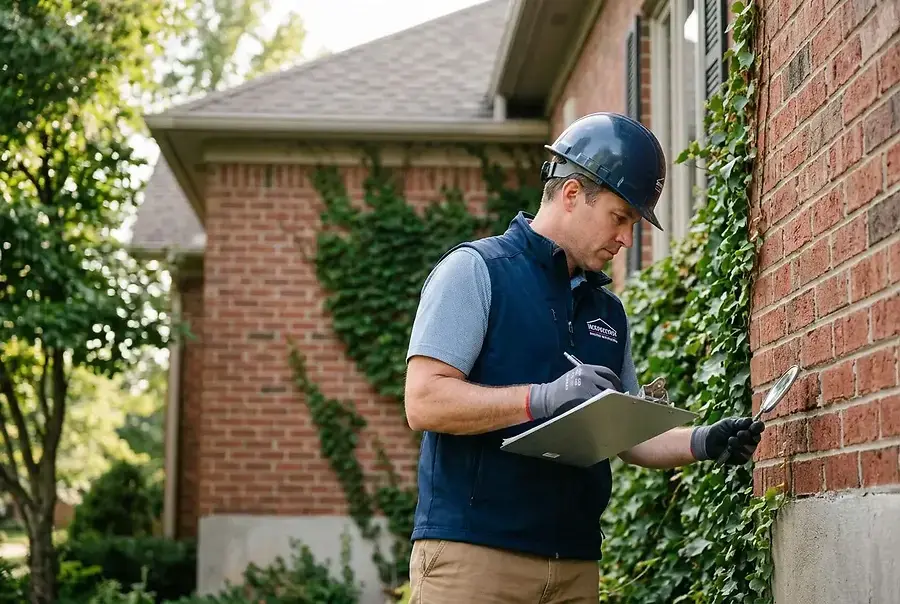
Why Home Inspections Matter for Buyers
Purchasing a home is one of the most significant financial decisions you'll make in your lifetime. Before signing on the dotted line, a professional home inspection serves as your safeguard against hidden problems that could cost thousands of dollars to repair. A thorough inspection reveals the true condition of the property, from the foundation to the roof, allowing you to make informed decisions with confidence.
Home inspections typically cost between $300 and $700, a small investment compared to the potential savings they can provide. During a standard inspection, a certified inspector examines structural components, electrical systems, plumbing, HVAC systems, and more. Understanding what these reports mean is crucial for protecting your investment and negotiating effectively with sellers.
Decoding Common Inspection Issues and Red Flags
Understanding the Report Structure
Home inspection reports are organized by system and component. Each item is typically categorized as:
- Satisfactory: The component is functioning as intended with no immediate concerns
- Minor Repair: Small issues that don't affect safety or functionality
- Major Repair: Significant problems requiring professional attention
- Safety Concern: Issues that pose a risk to occupants
Common Red Flags to Watch For
While every home has some minor issues, certain findings warrant serious attention. Structural problems such as foundation cracks, settling, or water damage indicate costly repairs ahead. Roof issues including missing shingles, leaks, or nearing the end of its lifespan should be evaluated carefully, as roof replacement can exceed $10,000.
Electrical system problems are particularly concerning. Outdated wiring, insufficient outlets, or improper grounding pose fire hazards and safety risks. Plumbing issues like corroded pipes, slow drainage, or water pressure problems may require extensive repairs. Additionally, watch for signs of pest infestation or mold growth, both of which can indicate deeper moisture or structural issues.
Distinguishing Between Major and Minor Issues
Not every finding requires negotiation. A missing caulk around a bathtub is a minor cosmetic issue, while a failing water heater is a major concern. Major issues typically involve safety, structural integrity, or systems that are essential for the home's function. These warrant negotiation or price adjustments. Minor issues are often cosmetic or involve inexpensive repairs that you might handle yourself.
Negotiating Repairs and Credits After Inspection Results
Preparing for Negotiations
Once you receive the inspection report, take time to review it thoroughly. Highlight items that concern you and research typical repair costs in your area. This preparation gives you leverage during negotiations. Consider which issues are deal-breakers and which you're willing to accept or handle yourself.
Consult with your real estate agent about local market conditions. In a buyer's market, sellers are more motivated to address issues. In a seller's market, you may have less negotiating power. Understanding the dynamics helps set realistic expectations.
Negotiation Strategies
You have several options when addressing inspection findings:
- Request Repairs: Ask the seller to fix issues before closing. This ensures professional work with warranties.
- Request Credits: Negotiate a price reduction to cover repair costs yourself, giving you control over the work.
- Request Inspections: For major issues, ask the seller to provide a professional assessment and repair estimate.
- Walk Away: If issues are too extensive or costly, you may choose to terminate the purchase.
When presenting your requests, be professional and reasonable. Focus on documented findings from the inspection report rather than personal preferences. Prioritize safety issues and major systems over cosmetic concerns. Sellers are more likely to respond favorably to requests addressing genuine problems rather than minor aesthetic issues.
Understanding Inspection Contingencies
Most purchase agreements include an inspection contingency, typically allowing 7-10 days to conduct an inspection and negotiate repairs. This period is critical—use it wisely. If the seller refuses to address major issues and you're uncomfortable proceeding, your contingency allows you to withdraw from the purchase without penalty.
"A home inspection is not about finding a perfect house—it's about understanding what you're buying and making an informed decision about your investment."
When to Compromise
Not every issue requires negotiation. Consider accepting minor findings if the overall property is sound and meets your needs. Sellers may become defensive if you request repairs for every small item, potentially derailing the entire transaction. Focus your negotiating efforts on items that genuinely impact safety, functionality, or long-term value.
Making Informed Decisions with Inspection Data
The inspection report is a tool for informed decision-making, not a reason to panic. Many homes have issues—what matters is understanding their severity and cost implications. Use the report to:
- Identify immediate safety concerns that must be addressed
- Plan for future maintenance and repairs
- Budget for upcoming expenses like roof or HVAC replacement
- Negotiate fairly with sellers based on documented findings
- Make a confident decision about whether to proceed with the purchase
Remember that no home is perfect. Even newly constructed homes have inspection findings. The goal is to understand what you're purchasing and ensure there are no hidden surprises that could affect your safety, comfort, or financial investment.
By taking the time to understand your inspection report, asking questions when needed, and negotiating strategically, you protect yourself and make one of life's biggest purchases with confidence and clarity.