Why Home Inspections Matter
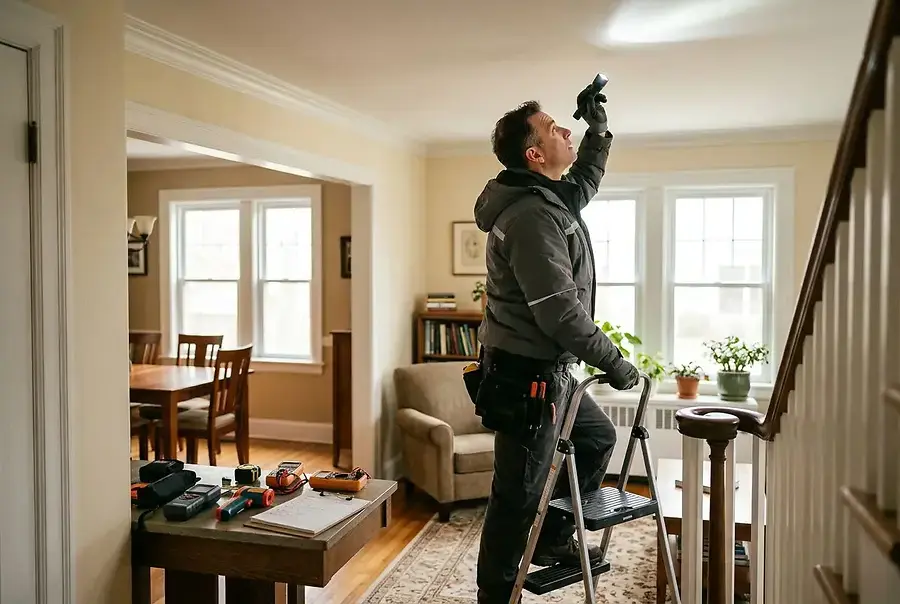
Purchasing a home is one of the most significant financial decisions you'll make in your lifetime. A professional home inspection is a critical step that protects your investment and provides peace of mind. Unlike a simple walkthrough, a thorough home inspection involves a detailed examination of the property's structural integrity, mechanical systems, and overall condition.
Home inspections serve as your safeguard against hidden defects and costly repairs. An inspector acts as your advocate, identifying issues that may not be visible to the untrained eye. This knowledge empowers you to make informed decisions about whether to proceed with the purchase, renegotiate the price, or request repairs before closing.
Without a professional inspection, you could unknowingly inherit serious problems such as foundation damage, faulty electrical systems, or plumbing issues that could cost thousands of dollars to repair. A comprehensive inspection typically costs between $300 and $500, a small investment compared to the potential expenses you could face later.
Key Areas Professional Inspectors Evaluate
Structural Components
Inspectors begin by examining the home's foundation, walls, and roof. They look for signs of settling, cracks, water damage, and structural deterioration. The foundation is particularly important because repairs can be extremely expensive and affect the entire property's stability. Inspectors also assess the roof's age, condition, and remaining lifespan.
Roofing and Exterior
A thorough roof inspection includes checking for missing or damaged shingles, proper drainage, and signs of leaks. The exterior evaluation covers siding, windows, doors, gutters, and downspouts. Inspectors verify that water is properly directed away from the foundation to prevent moisture intrusion and basement flooding.
Plumbing Systems
Inspectors test water pressure, check for leaks, and examine the condition of pipes throughout the home. They verify that the water heater functions properly and assess its age and condition. Outdated plumbing can lead to water damage and costly replacements, making this evaluation crucial for older homes.
Electrical Systems
A professional inspection includes testing outlets, switches, and the main electrical panel. Inspectors look for outdated wiring, improper grounding, and potential fire hazards. They verify that the home meets current electrical codes and that the system can safely handle modern appliance loads.
HVAC Systems
Heating, ventilation, and air conditioning systems are evaluated for proper operation and maintenance. Inspectors check the furnace, air conditioner, and ductwork to ensure efficient climate control. A failing HVAC system can require replacement costs of $5,000 to $10,000 or more, making this assessment vital.
Interior Components
Inspectors examine walls, ceilings, floors, and doors for damage or defects. They check for signs of water damage, mold, pest infestations, and structural issues. Appliances included in the sale are tested to verify they function properly.
A comprehensive home inspection provides a detailed report documenting the property's condition, helping you understand exactly what you're purchasing.
How Inspection Results Impact Your Offer and Negotiation
Using Inspection Findings in Negotiations
Once you receive the inspection report, you have several options. If significant issues are discovered, you can request that the seller make repairs before closing. Alternatively, you can negotiate a price reduction to account for the cost of repairs you'll handle yourself.
Inspection contingencies are crucial in your purchase agreement. These allow you to back out of the deal or renegotiate if major problems are found. Without this protection, you could be obligated to purchase a property with serious defects.
Understanding Report Priorities
Not all inspection findings are equally important. Major structural issues, electrical hazards, and plumbing problems require immediate attention, while cosmetic issues like paint or minor wear are less critical. Your inspector can help prioritize which issues need addressing before you move in.
Getting a Second Opinion
If the inspection reveals significant problems, consider hiring a specialist to evaluate specific systems. A structural engineer, electrician, or plumber can provide detailed assessments and repair estimates, giving you accurate information for negotiations.
Making Informed Decisions with Inspection Data
The inspection report is your roadmap to understanding the property's true condition. Use this information to:
- Assess long-term maintenance costs and budget for upcoming repairs or replacements
- Identify safety hazards that need immediate attention
- Evaluate the property's true value based on its actual condition
- Plan renovation projects with realistic timelines and budgets
- Make confident purchasing decisions backed by professional expertise
Remember that no home is perfect. Every property has some issues, and the inspection report helps you understand what you're dealing with. The key is identifying whether problems are minor maintenance issues or serious defects that could affect your decision.
A professional home inspection is not an expense—it's an investment in your peace of mind and financial security. By understanding what inspectors evaluate and how to use their findings, you can confidently move forward with one of life's most important purchases.
