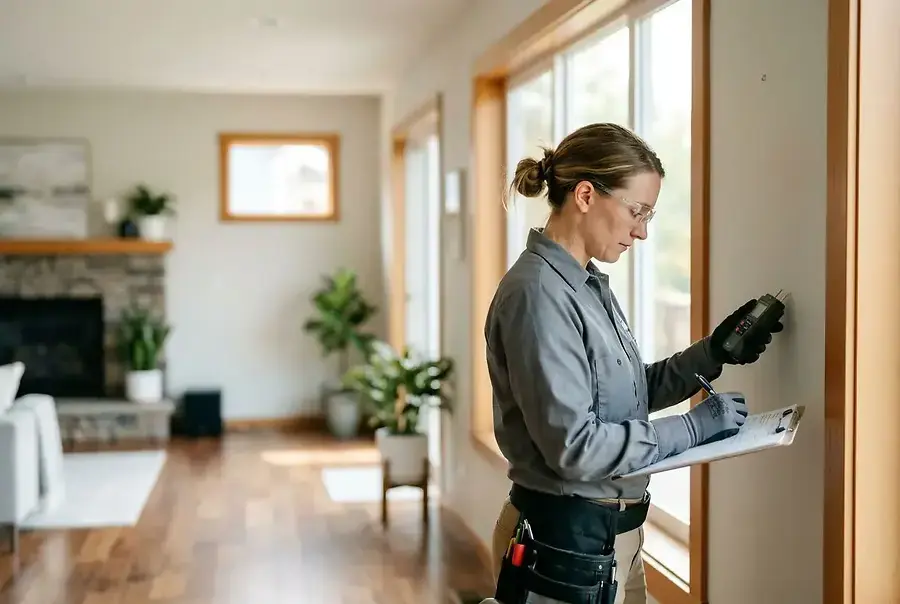
The Home Inspection Process Explained
A home inspection is one of the most critical steps in the home-buying process. This thorough evaluation of a property's condition helps you understand what you're investing in and identifies any potential problems before you sign the final papers. In Bellingham, professional home inspectors typically spend 2-3 hours examining every aspect of a property, from the foundation to the roof.
During a standard inspection, the inspector will evaluate the structural integrity, electrical systems, plumbing, HVAC systems, roofing, and overall safety features. They'll check for water damage, pest infestations, insulation quality, and the condition of appliances. As a buyer, you have the right to be present during the inspection—and you should be. This gives you the opportunity to ask questions and learn about the property firsthand.
After the inspection is complete, you'll receive a detailed report within 24-48 hours. This report documents all findings, from minor cosmetic issues to major structural concerns. Understanding this report is crucial for making informed decisions about your purchase.
Common Issues Found in Bellingham Homes
Bellingham's unique climate and geography create specific challenges for homeowners. Being aware of these common issues can help you spot red flags during your inspection.
Moisture and Water Damage
The Pacific Northwest's rainy climate makes moisture damage one of the most prevalent issues in Bellingham homes. Inspectors frequently find:
- Roof leaks and damaged shingles
- Foundation cracks allowing water infiltration
- Inadequate drainage systems around the property
- Mold growth in basements and crawl spaces
- Rotting wood in decks, siding, and window frames
Aging Infrastructure
Many Bellingham homes were built decades ago and may have outdated systems. Common findings include old electrical wiring that doesn't meet current codes, outdated plumbing with galvanized pipes, and aging HVAC systems nearing the end of their lifespan.
Foundation Issues
The region's soil composition and moisture levels can cause foundation problems. Inspectors often identify settling, cracks, or inadequate waterproofing in basements and crawl spaces.
Questions to Ask Your Home Inspector
Don't be shy about asking questions during and after the inspection. A professional inspector will appreciate your engagement. Here are essential questions to ask:
About Major Systems
- What is the estimated remaining lifespan of the roof, HVAC system, and water heater?
- Are there any code violations or safety hazards I should know about?
- How old is the electrical panel, and does it need upgrading?
- What is the condition of the plumbing, and are there any known issues?
About Specific Concerns
- What causes the moisture stains I see in the basement?
- Is there evidence of past or present pest infestations?
- How serious are the foundation cracks, and do they require repair?
- Are there any environmental concerns, such as asbestos or lead paint?
About Repairs and Maintenance
- Which issues are cosmetic, and which require immediate attention?
- What repairs would you recommend as priorities?
- Are there any deferred maintenance items I should budget for?
- Can you provide cost estimates for recommended repairs?
Using Inspection Results to Negotiate and Protect Your Investment
The inspection report is your negotiating tool. Once you have the results, you have several options depending on what's discovered.
Request Repairs
You can ask the seller to repair significant issues before closing. This is particularly important for structural problems, safety hazards, or major system failures. Document everything in writing and ensure the seller provides proof of professional repairs.
Request Credits or Price Reduction
If repairs are minor or the seller refuses to fix issues, you can request a credit toward closing costs or a reduction in the purchase price. This allows you to hire contractors of your choice and manage repairs on your timeline.
Conduct a Second Inspection
For significant issues, consider hiring a specialist inspector. A structural engineer, electrician, or plumber can provide detailed assessments and repair estimates. This information strengthens your negotiating position.
Walk Away if Necessary
If the inspection reveals major problems that would be costly to repair, you may have the right to withdraw from the purchase, depending on your contract terms. Never feel pressured to proceed with a purchase if you're uncomfortable with the property's condition.
Budget for Future Maintenance
Even if you proceed with the purchase, use the inspection report to plan your maintenance budget. Knowing that your roof needs replacement in five years or your electrical panel should be upgraded allows you to prepare financially.
A thorough home inspection is an investment in your peace of mind and financial security. By understanding the process, asking the right questions, and using the results strategically, you'll make a confident decision about your Bellingham home purchase. Remember, this inspection protects you—use it wisely.