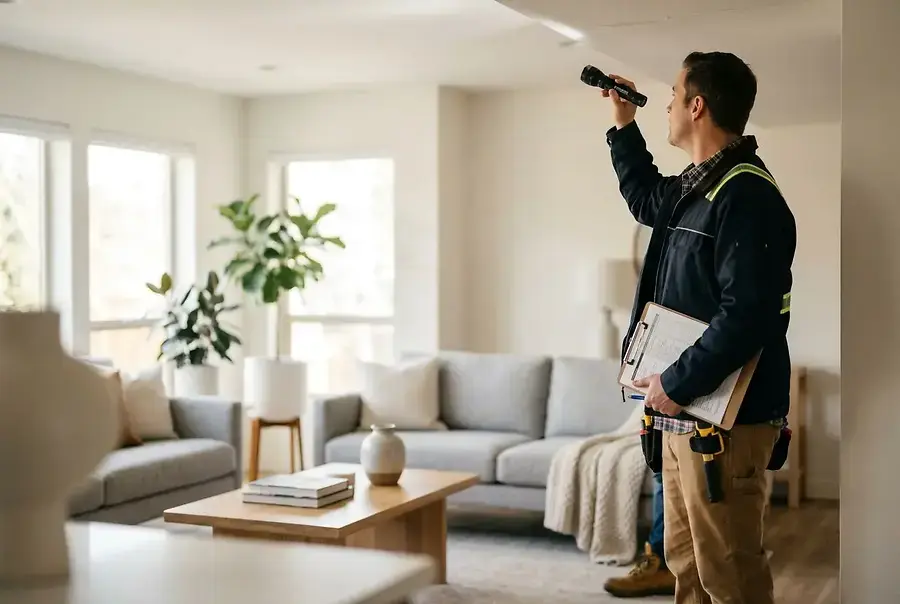
Why Property Inspections Are Critical to Your Home Purchase
Purchasing a home is one of the most significant financial decisions you'll make in your lifetime. Before signing on the dotted line, a professional home inspection serves as your safeguard against costly surprises and hidden defects. A thorough inspection can reveal structural issues, safety hazards, and maintenance problems that could cost thousands of dollars to repair after closing.
Many first-time homebuyers underestimate the importance of inspections, viewing them as an optional expense. However, skipping this critical step could leave you vulnerable to inheriting someone else's problems. A professional inspector acts as your advocate, providing an objective assessment of the property's condition and identifying issues that might not be visible to the untrained eye.
Key reasons to prioritize home inspections:
- Identify structural and safety issues before purchase
- Uncover hidden defects in major systems
- Provide negotiating leverage for repairs or credits
- Establish a baseline for future maintenance planning
- Protect your investment and financial interests
What Professional Home Inspectors Examine: Systems, Structure, and Safety
Structural Components
Professional inspectors begin by evaluating the home's foundation, framing, and overall structural integrity. They look for signs of settling, cracks, water damage, and pest infestation that could compromise the building's stability. The roof, walls, and support beams are examined for deterioration and potential safety concerns.
Electrical Systems
A comprehensive electrical inspection includes checking the main panel, wiring, outlets, and switches. Inspectors verify that the system meets current safety codes and can handle the home's electrical demands. Outdated wiring, insufficient grounding, and overloaded circuits are common issues that require attention.
Plumbing and Water Systems
Inspectors test water pressure, examine pipes for leaks and corrosion, and evaluate the water heater's condition and age. They also check for proper drainage, inspect toilets and fixtures, and assess the septic system if applicable. Water damage and mold growth are red flags that indicate plumbing problems.
HVAC Systems
The heating, ventilation, and air conditioning systems are tested for proper operation and efficiency. Inspectors evaluate the furnace or heat pump, air conditioning unit, ductwork, and thermostat. They assess the system's age and determine if repairs or replacement may be needed soon.
Safety Features
Professional inspectors verify the presence and functionality of smoke detectors, carbon monoxide detectors, and fire extinguishers. They check for proper ventilation, adequate lighting, and safe stairways. Any potential hazards, such as asbestos, lead paint, or radon, are noted for further testing if necessary.
Interior and Exterior Conditions
Inspectors examine walls, ceilings, floors, windows, doors, and insulation. They look for water stains, mold, pest damage, and signs of poor maintenance. The exterior is evaluated for roof condition, siding integrity, gutters, downspouts, and landscaping issues that could affect drainage.
Understanding Inspection Reports and Negotiating Repairs or Credits
Decoding Your Inspection Report
A detailed inspection report provides a comprehensive overview of the property's condition. Reports typically categorize findings into three levels: major issues that require immediate attention, minor issues that should be addressed, and observations for future reference. Understanding these categories helps you prioritize concerns and make informed decisions.
Don't be alarmed if your report identifies multiple issues—most homes have some defects. The key is determining which issues are deal-breakers and which are manageable. Review the report carefully and ask your inspector to clarify any findings you don't understand.
Negotiating Repairs and Credits
Once you receive the inspection report, you have several options for addressing identified issues:
- Request repairs: Ask the seller to fix major issues before closing
- Negotiate credits: Receive a credit toward closing costs to handle repairs yourself
- Request price reduction: Adjust the purchase price to account for necessary repairs
- Accept as-is: Proceed without requesting changes (not recommended for major issues)
When negotiating, focus on significant structural, safety, and system issues rather than cosmetic concerns. Provide the seller with repair estimates to support your requests. Be prepared to compromise—sellers may not agree to all requested repairs, but you may reach a middle ground that protects your interests.
Post-Inspection Contingencies
Most purchase agreements include an inspection contingency that allows you to renegotiate or withdraw from the sale if major issues are discovered. This protection is crucial, as it gives you leverage to address problems before committing to the purchase. Understand your contingency period and deadlines to ensure you don't lose this important safeguard.
Using Inspection Findings to Make Confident Buying Decisions
A home inspection provides the information you need to make a confident, informed decision about your purchase. Armed with knowledge about the property's condition, you can evaluate whether the home is worth the asking price and whether you're comfortable with the identified issues and associated costs.
Consider these factors when reviewing inspection results:
- The age and expected lifespan of major systems
- The cost of repairs versus the home's overall value
- Your ability and willingness to handle repairs yourself
- The home's location and market conditions
- Your long-term plans for the property
Remember that no home is perfect. The goal of an inspection is not to find a flawless property but to understand what you're buying and plan accordingly. A home with identified issues that you're aware of and prepared to address is far better than one with hidden problems that emerge after closing.
Work closely with your real estate agent and inspector to interpret findings and develop a negotiation strategy. Don't hesitate to request additional inspections for specific concerns, such as termite inspections, radon testing, or mold assessments. These specialized evaluations can provide peace of mind and protect your investment.
By prioritizing a thorough home inspection and carefully reviewing the results, you're taking a proactive step to protect one of your most valuable assets. The small investment in a professional inspection can save you thousands of dollars in unexpected repairs and provide the confidence you need to move forward with your home purchase.