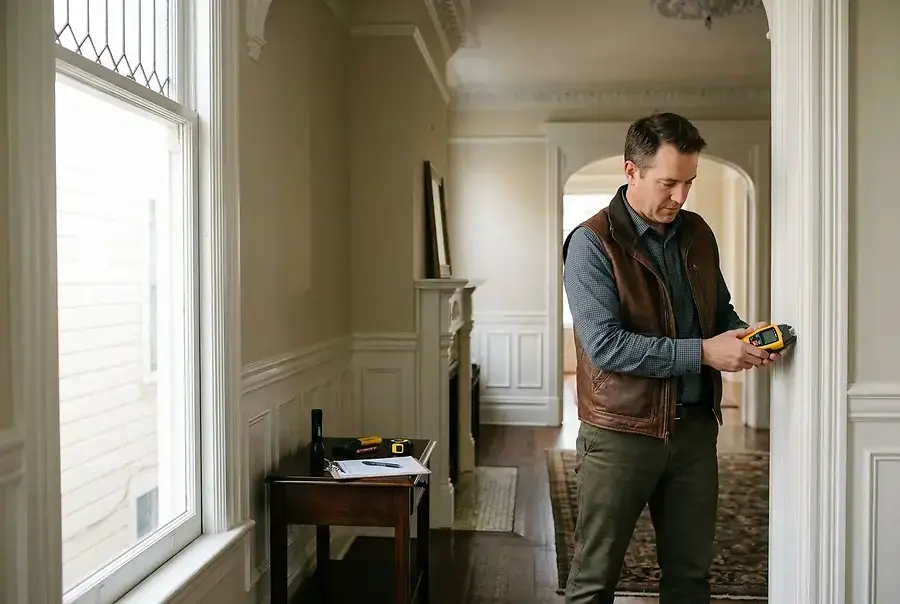
Why Home Inspections Are Critical for San Francisco Buyers
Purchasing a home in San Francisco is one of the most significant financial decisions you'll make. With property values among the highest in the nation, protecting your investment through a thorough home inspection is absolutely essential. A professional home inspection provides an independent, objective assessment of a property's condition before you commit to the purchase.
In San Francisco's fast-paced real estate market, many buyers feel pressured to waive inspections or skip this critical step to remain competitive. This is a mistake that can cost you thousands of dollars in unexpected repairs. A comprehensive inspection typically costs between $400 and $800 and can reveal issues that might otherwise go unnoticed until after closing.
Home inspections serve multiple purposes: they identify safety hazards, uncover deferred maintenance, estimate the remaining lifespan of major systems, and provide you with leverage during negotiations. Whether you're a first-time buyer or an experienced investor, understanding what inspectors look for will help you make informed decisions about your San Francisco property purchase.
Common Issues Found in San Francisco Properties and Red Flags to Watch For
Structural and Foundation Problems
San Francisco's unique geography and earthquake history make structural integrity a top concern. Many older homes in the city were built before modern seismic codes were implemented. Look for signs of foundation settling, cracks in walls, or uneven floors—these can indicate serious structural issues that require expensive repairs.
Water Damage and Moisture Issues
The Bay Area's marine climate creates persistent moisture challenges. Common water-related problems include:
- Roof leaks and damaged shingles
- Basement or crawlspace flooding
- Mold growth in attics and walls
- Deteriorating window frames and seals
- Plumbing leaks hidden behind walls
Water damage is particularly insidious because it can hide behind walls and ceilings, leading to mold and structural decay. Never ignore water stains or musty odors during your inspection.
Outdated Electrical Systems
Older San Francisco homes often have aging electrical systems that may not meet current safety standards. Aluminum wiring, outdated panels, and insufficient grounding can pose fire hazards. Inspectors will evaluate whether the electrical system can safely handle modern appliance loads.
HVAC and Plumbing Concerns
Heating, ventilation, and air conditioning systems in older homes may be nearing the end of their lifespan. Similarly, galvanized pipes common in vintage San Francisco properties can corrode and restrict water flow. Budget for potential replacement of these systems, as repairs can be costly.
Asbestos and Lead Paint
Homes built before the 1980s may contain asbestos in insulation, floor tiles, and roofing materials. Properties built before 1978 likely have lead-based paint. While these materials aren't always dangerous if undisturbed, they require careful handling and professional remediation if renovation is planned.
How to Review Inspection Reports and Negotiate Repairs Effectively
Understanding Your Inspection Report
A thorough inspection report will be detailed and comprehensive, often 20-40 pages long. The report typically categorizes findings into three levels: safety issues, major concerns, and minor maintenance items. Focus first on safety hazards and major structural or system problems that could affect your decision to purchase.
Don't be alarmed by a lengthy report—even well-maintained homes will have some items listed. The key is understanding which issues are deal-breakers and which are manageable maintenance tasks.
Prioritizing Issues
Work with your real estate agent and inspector to prioritize findings:
- Critical Issues: Safety hazards, foundation problems, major roof damage, or failed electrical systems
- Important Issues: Aging HVAC systems, plumbing concerns, or significant water damage
- Minor Issues: Cosmetic damage, worn caulking, or routine maintenance needs
Negotiation Strategies
Once you have your inspection report, you have several negotiation options:
- Request repairs: Ask the seller to fix critical issues before closing
- Request credits: Request a credit toward closing costs to handle repairs yourself
- Request price reduction: Negotiate a lower purchase price to account for needed repairs
- Walk away: If issues are too severe, you may decide the property isn't worth pursuing
In San Francisco's competitive market, sellers may be reluctant to make repairs. Be strategic about which items you negotiate—focus on major issues that affect safety, functionality, or long-term value. Requesting credits is often more successful than demanding repairs, as it gives sellers flexibility.
Getting Second Opinions
For significant issues like foundation problems or major water damage, consider hiring a specialist for a more detailed assessment. This additional investment can provide clarity and strengthen your negotiating position.
Making Informed Decisions With Your Inspection Results
Your home inspection report is a powerful tool for making informed decisions. Use it to understand the true condition of the property and plan for future maintenance and repairs. Even after you've negotiated repairs or credits, keep the inspection report for your records—it will be valuable for future reference and when planning renovations.
Remember that no home is perfect, especially in San Francisco where many properties have character and history. The goal of a home inspection isn't to find a flawless property, but to ensure you understand what you're buying and can make a confident decision.
By taking home inspections seriously and using the findings strategically, you'll protect your investment and navigate San Francisco's competitive real estate market with confidence and clarity.