Introduction: Why Accurate Home Valuation Matters for Buyers and Sellers
Whether you're buying, selling, or refinancing a property, understanding your home's true market value is crucial. An accurate valuation protects your financial interests and ensures you're making informed decisions in one of life's biggest transactions. Home valuation is not a one-size-fits-all process—it involves multiple approaches and professional expertise to determine what a property is truly worth in today's market.
For sellers, knowing your home's value helps you price competitively and attract serious buyers. For buyers, it ensures you're not overpaying for a property. Lenders also rely on accurate valuations to determine loan amounts and assess risk. Understanding how these valuations work empowers you to negotiate confidently and make decisions based on solid data rather than emotion.
Understanding the Three Main Home Valuation Approaches
The Sales Comparison Approach
The sales comparison approach is the most commonly used method for residential properties. This approach compares your home to similar properties that have recently sold in your area, known as "comparables" or "comps." Appraisers analyze:
- Property size and square footage
- Number of bedrooms and bathrooms
- Age and condition of the home
- Location and neighborhood characteristics
- Recent sale prices of similar homes
- Time since comparable sales occurred
Appraisers then adjust the comparable properties' prices based on differences from your home. If your home has an updated kitchen while a comparable doesn't, they might add value. If your home lacks a garage that a comparable has, they might subtract value. This method works best in active markets with plenty of recent sales data.
The Cost Approach
The cost approach calculates what it would cost to rebuild your home from scratch, then subtracts depreciation. This method is particularly useful for new construction or unique properties where comparable sales are limited. The calculation includes:
- Land value (determined separately)
- Construction costs for building materials and labor
- Physical depreciation from age and wear
- Functional obsolescence (outdated features)
- External obsolescence (neighborhood factors)
While thorough, this approach can be less reliable for older homes where depreciation is difficult to calculate accurately. It's more commonly used by appraisers when other methods aren't applicable.
The Income Approach
The income approach is primarily used for investment properties and rental homes. This method values a property based on the income it generates. Appraisers calculate:
- Potential rental income
- Operating expenses
- Capitalization rate (the return on investment)
- Market rental rates for comparable properties
The basic principle is simple: a property that generates higher rental income is worth more than one that generates lower income. This approach helps investors understand whether a property is a sound investment.
How Professional Appraisers Evaluate Your Property
The Appraisal Process
Professional appraisers follow a structured process to ensure accuracy and consistency. Licensed appraisers must meet specific education and certification requirements in their state. Here's what the typical appraisal process involves:
Initial Research: Appraisers gather data about the property, neighborhood, and recent comparable sales. They review public records, market trends, and economic factors affecting the area.
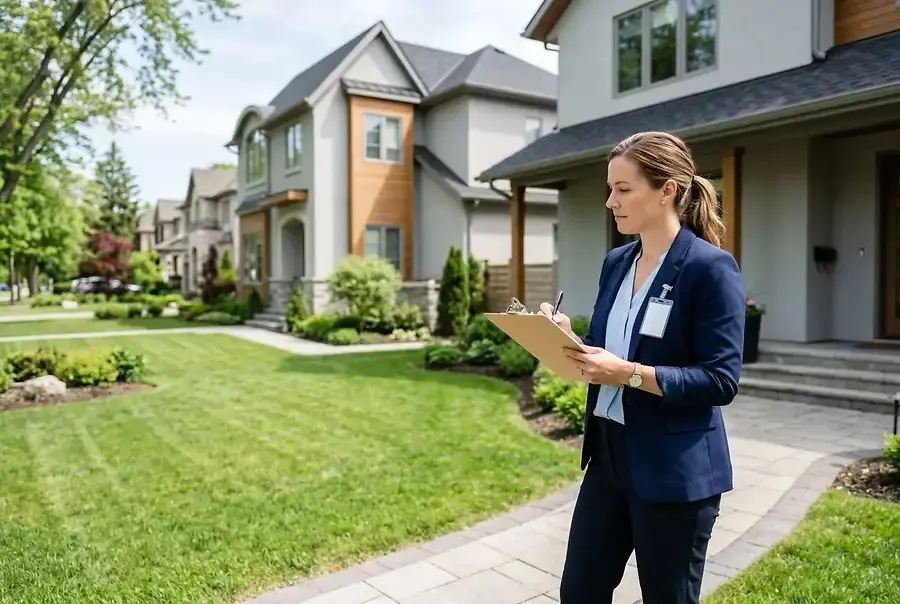
Property Inspection: The appraiser conducts a thorough physical inspection, examining the home's structure, systems, condition, and features. They measure square footage, note any damage or needed repairs, and assess overall quality and appeal.
Analysis and Adjustment: Using the three approaches mentioned above, appraisers analyze comparable properties and make adjustments based on differences. They reconcile the different valuation approaches to reach a final estimate.
Report Preparation: The appraiser documents their findings in a detailed report that includes property description, comparable sales analysis, photographs, and the final valuation with supporting justification.
Factors That Influence Appraisals
Several factors can significantly impact your home's appraised value:
- Location: Neighborhood desirability, school quality, and proximity to amenities matter greatly
- Condition: Well-maintained homes appraise higher than those needing repairs
- Market Conditions: Whether it's a buyer's or seller's market affects valuations
- Recent Renovations: Updated kitchens, bathrooms, and roofs can increase value
- Lot Size and Features: Larger lots and desirable features like pools or views add value
- Age of Home: Newer homes typically appraise higher, though well-maintained older homes can hold value
Automated Valuation Models (AVMs)
Beyond traditional appraisals, Automated Valuation Models (AVMs) use algorithms and big data to estimate property values quickly and affordably. These tools analyze thousands of data points including comparable sales, property characteristics, and market trends. While convenient for quick estimates, AVMs have limitations—they can't account for unique property features or condition issues that a human appraiser would notice.
AVMs are useful for initial estimates and monitoring value changes over time, but they shouldn't replace professional appraisals for major financial decisions.
Conclusion: Using Valuation Data to Make Informed Real Estate Decisions
Understanding home valuation empowers you to make confident real estate decisions. Whether you're selling and need to price competitively, buying and want to ensure fair value, or refinancing and need an accurate assessment, knowing how valuations work gives you an advantage.
Key takeaways:
- Multiple valuation approaches exist, each with specific applications
- Professional appraisers bring expertise and objectivity to the process
- Market conditions, location, and property condition significantly impact value
- Modern tools like AVMs complement traditional appraisals but don't replace them
- Understanding valuation helps you negotiate better and avoid costly mistakes
Whether you're working with a real estate agent, lender, or appraiser, use this knowledge to ask informed questions and understand the reasoning behind valuations. In real estate, knowledge truly is power—and accurate valuation data is the foundation of smart decision-making.
