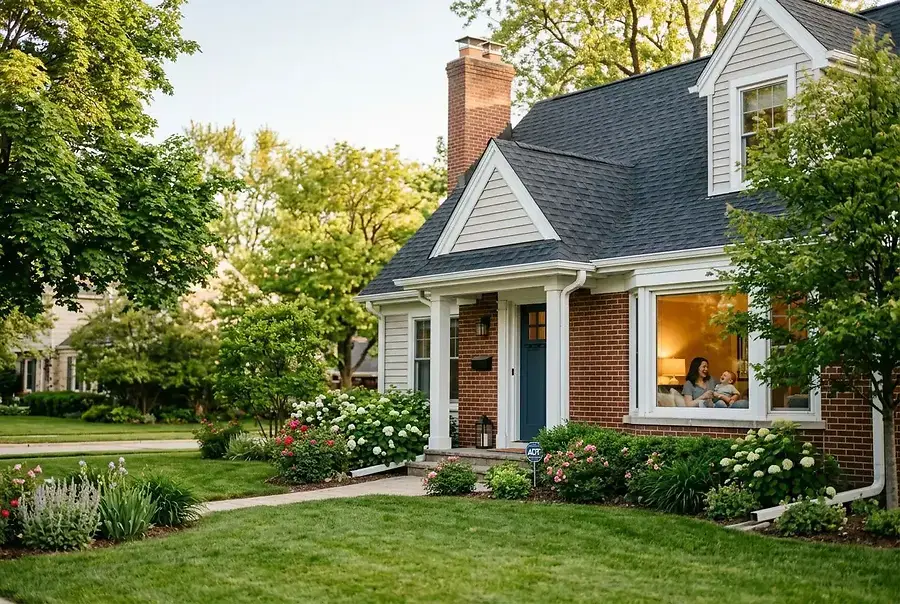
Why Homeowners Insurance Matters in Wisconsin
Homeownership is one of the most significant investments you'll make in your lifetime. Whether you own a charming Victorian home in Milwaukee or a modern residence in Waukesha, protecting that investment should be a top priority. Homeowners insurance is not just a financial safeguard—it's a necessity that shields you from unexpected disasters and liability claims.
Wisconsin homeowners face unique challenges, from severe winter storms and heavy snowfall to occasional flooding and wind damage. Without adequate coverage, a single catastrophic event could leave you financially devastated. Additionally, if you have a mortgage, your lender will require you to maintain homeowners insurance as a condition of the loan.
Beyond the legal requirements, homeowners insurance provides peace of mind. It covers the cost of repairs or rebuilding your home, replacing personal belongings, and protecting you against liability if someone is injured on your property. Understanding your coverage options is the first step toward making informed decisions about your home's protection.
Key Coverage Types and What They Protect
Dwelling Coverage
Dwelling coverage is the foundation of any homeowners insurance policy. This coverage protects the structure of your home itself—including the walls, roof, foundation, built-in appliances, and permanently attached fixtures. In Waukesha and Milwaukee, where homes vary greatly in age and construction, ensuring adequate dwelling coverage is critical.
When determining your dwelling coverage limit, consider the cost to rebuild your home from the ground up, not its current market value. This is especially important for older homes that may have appreciated significantly but would cost less to rebuild with modern materials and methods.
Personal Property Coverage
Your belongings—furniture, electronics, clothing, and other personal items—are protected under personal property coverage. This coverage typically pays up to 50-70% of your dwelling coverage limit for items damaged or stolen due to covered perils.
Keep an inventory of your possessions and their estimated values. Consider taking photos or videos of your belongings for documentation purposes. If you own high-value items like jewelry, art, or collectibles, you may need additional coverage through a rider or endorsement.
Liability Coverage
Liability coverage protects you if someone is injured on your property or if you accidentally damage someone else's property. This coverage pays for medical expenses, legal fees, and damages up to your policy limit. Standard policies typically offer $100,000 to $300,000 in liability coverage, though you can increase this for additional protection.
Consider your lifestyle and property characteristics when selecting liability limits. If you have a swimming pool, trampoline, or frequently host gatherings, higher liability coverage is advisable.
Additional Living Expenses
If your home becomes uninhabitable due to a covered loss, additional living expenses (ALE) coverage pays for temporary housing, meals, and other necessary costs while your home is being repaired or rebuilt. This coverage is invaluable during extended reconstruction periods.
Other Important Coverages
- Medical Payments Coverage: Covers medical expenses for guests injured on your property, regardless of liability
- Deductibles: The amount you pay out-of-pocket before insurance kicks in; higher deductibles lower premiums
- Replacement Cost vs. Actual Cash Value: Replacement cost pays to replace items at current prices; actual cash value accounts for depreciation
How to Compare Quotes and Find the Best Rates
Gather Information About Your Home
Before requesting quotes, compile detailed information about your property. Insurance companies will ask about your home's age, square footage, construction materials, roof condition, and safety features. Homes with updated electrical systems, plumbing, roofing, and security systems often qualify for discounts.
Document any recent renovations or improvements, as these can reduce your premiums by lowering the risk of damage.
Shop Around and Compare Multiple Quotes
Don't settle for the first quote you receive. Contact at least three to five insurance companies to compare rates and coverage options. Prices can vary significantly between insurers, even for identical coverage. Many companies offer online quote tools that provide estimates within minutes.
When comparing quotes, ensure you're looking at the same coverage limits and deductibles across all policies. A lower premium might mean less coverage, so read the details carefully.
Ask About Discounts
Insurance companies offer numerous discounts that can substantially reduce your premiums:
- Multi-policy bundling (combining home and auto insurance)
- Safety and security features (smoke detectors, burglar alarms, deadbolts)
- Good credit scores
- Claims-free history
- Home improvements and upgrades
- Loyalty discounts for long-term customers
- Paid-in-full discounts
Review and Update Regularly
Your insurance needs change over time. Review your policy annually and after major life events or home improvements. As your home's value increases or you make significant upgrades, you may need to adjust your coverage limits to ensure adequate protection.
Additionally, your circumstances may change—perhaps you've paid off your mortgage or added a home office. These changes might affect your coverage needs and could qualify you for different discounts.
Making Informed Decisions for Your Home's Protection
Choosing the right homeowners insurance requires balancing adequate protection with affordable premiums. The cheapest policy isn't always the best choice if it leaves you underinsured. Conversely, paying for unnecessary coverage wastes money.
Start by assessing your specific needs based on your home's characteristics, location, and personal circumstances. Consider the potential financial impact of different scenarios—what would happen if your home suffered major damage? Could you afford to rebuild without insurance?
Work with a trusted insurance agent who understands the Wisconsin market and can provide personalized recommendations. They can help you navigate the complexities of coverage options and ensure you're making decisions that truly protect your investment.
Remember, homeowners insurance is an investment in your financial security. By taking time to understand your options and compare quotes, you'll find coverage that provides peace of mind and protects the home you've worked so hard to build.