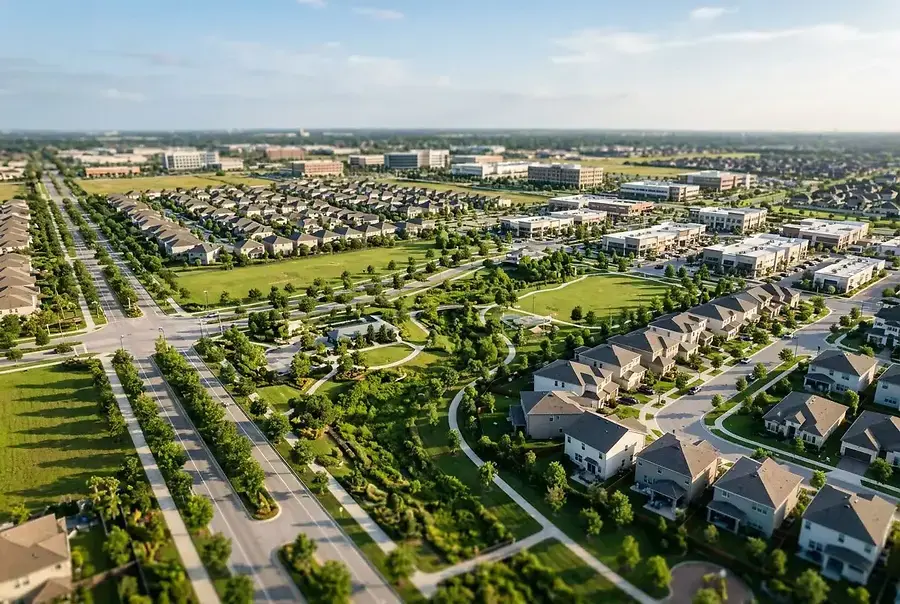
Introduction: Understanding the Homestead Real Estate Landscape
The Homestead real estate market has experienced significant shifts in recent times, making it essential for both buyers and sellers to stay informed about current trends and property valuations. Whether you're considering purchasing your first home, upgrading to a larger property, or selling an existing investment, understanding the market dynamics in Homestead is crucial to making sound financial decisions.
The real estate landscape in Homestead is shaped by multiple factors including economic growth, population trends, infrastructure development, and neighborhood revitalization efforts. These elements work together to create a dynamic market where property values can fluctuate based on various conditions. By gaining insight into these market drivers, you'll be better equipped to navigate your real estate journey with confidence.
Key Market Trends Shaping Homestead Property Values
Rising Demand and Limited Inventory
One of the most significant trends affecting Homestead's real estate market is the growing demand for properties coupled with limited housing inventory. As more families and professionals recognize the value of living in Homestead, competition for available homes has intensified. This supply-and-demand imbalance has contributed to steady appreciation in property values across various neighborhoods.
The shortage of available homes means that well-maintained properties in desirable locations tend to sell quickly, often at or above asking prices. For sellers, this creates a favorable market environment, while buyers may need to act decisively when they find a property that meets their needs.
Demographic Shifts and Population Growth
Homestead continues to attract a diverse population seeking affordable living options without sacrificing access to urban amenities and employment opportunities. Young families, retirees, and young professionals are increasingly drawn to the area, driving demand for various property types from single-family homes to condominiums and townhouses.
This demographic diversity has led to:
- Increased demand for family-friendly neighborhoods with good schools and parks
- Growth in multi-family housing developments to accommodate different lifestyle preferences
- Expansion of rental properties as investors recognize the area's potential
- Development of age-restricted communities for retirees seeking active lifestyles
Economic Factors and Interest Rates
The broader economic environment plays a crucial role in shaping real estate values in Homestead. Interest rates, employment levels, and consumer confidence all influence buyer purchasing power and market activity. When interest rates are favorable, more buyers can afford mortgages, increasing competition and driving prices upward. Conversely, higher rates may cool demand and create opportunities for negotiation.
Local employment growth, particularly in sectors like healthcare, retail, and professional services, has strengthened the economic foundation of Homestead, making it an attractive destination for job seekers and their families.
How Neighborhood Growth and Development Affect Your Home's Worth
Infrastructure and Transportation Improvements
Strategic infrastructure investments have significantly impacted property values throughout Homestead. Improvements to roads, public transportation, and utilities make neighborhoods more accessible and desirable. Properties located near major transportation corridors or newly improved roads often see enhanced value as commuting becomes easier and more convenient.
Properties in areas with recent infrastructure improvements typically appreciate faster than those in stagnant neighborhoods, making location and accessibility key considerations for long-term value growth.
Commercial Development and Amenities
The expansion of retail centers, restaurants, entertainment venues, and service providers in Homestead has elevated the quality of life and property values in surrounding residential areas. Neighborhoods with convenient access to shopping, dining, and recreational facilities command premium prices because residents value the convenience and lifestyle benefits these amenities provide.
New commercial developments often signal confidence in an area's future growth potential, attracting both residents and investors. Properties near these developments frequently experience accelerated appreciation as the area becomes more vibrant and economically active.
School Quality and Educational Institutions
The quality of local schools remains one of the most important factors influencing residential property values in Homestead. Families prioritize neighborhoods with highly-rated schools, and properties in these areas command higher prices and appreciate more consistently. Recent investments in school facilities and educational programs have made several Homestead neighborhoods particularly attractive to families with children.
Green Spaces and Community Features
Parks, recreational facilities, and green spaces contribute significantly to neighborhood desirability and property values. Communities that prioritize outdoor recreation, walking trails, and community gathering spaces attract residents willing to pay premium prices for homes in these areas. Environmental quality and access to nature have become increasingly important to homebuyers, particularly among younger demographics.
Conclusion: Using Market Insights to Make Informed Real Estate Decisions
Understanding the Homestead real estate market trends and the factors driving property values empowers you to make strategic decisions aligned with your financial goals. Whether you're buying or selling, consider these key takeaways:
- Location remains paramount: Properties in neighborhoods with strong growth potential, good schools, and convenient amenities tend to appreciate more consistently
- Market timing matters: While it's difficult to predict short-term fluctuations, understanding broader trends helps you identify favorable buying or selling windows
- Neighborhood development is crucial: Monitor planned infrastructure projects, commercial developments, and community improvements in areas you're considering
- Economic fundamentals support growth: Homestead's strong employment base and population growth suggest continued real estate market strength
- Work with local experts: Real estate professionals with deep knowledge of Homestead neighborhoods can provide invaluable guidance
The Homestead real estate market presents opportunities for both buyers and sellers who approach their decisions with informed perspectives. By staying aware of market trends, neighborhood developments, and economic factors, you can navigate your real estate transactions with greater confidence and achieve your property ownership goals. Whether you're seeking your dream home or looking to maximize returns on an investment property, the insights gained from understanding these market dynamics will serve you well in making decisions that align with your long-term financial objectives.