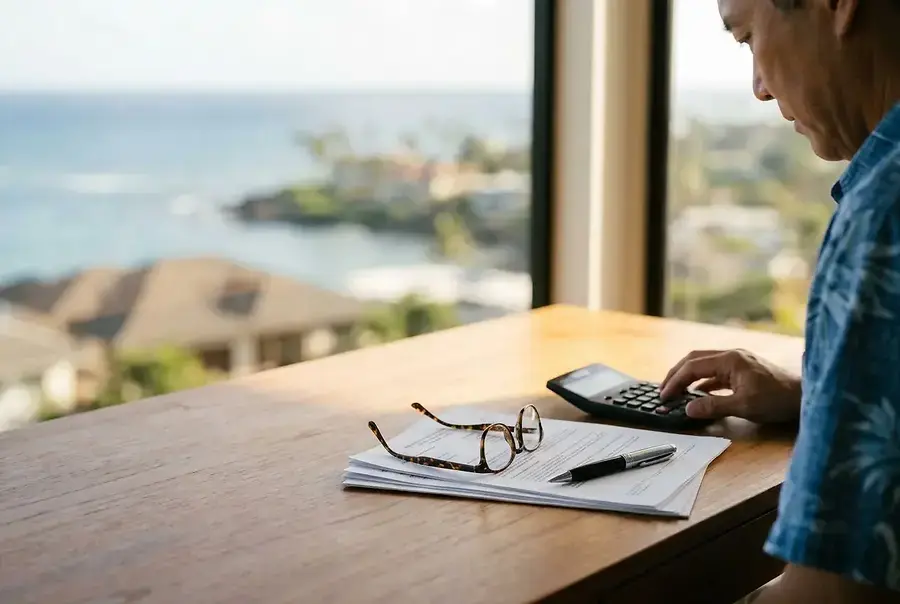
Introduction: Property Taxes in Honolulu's Real Estate Market
Property ownership in Honolulu comes with significant financial responsibilities, and understanding your tax obligations is crucial for effective financial planning. Property taxes are a major expense for homeowners, yet many residents don't fully grasp how these taxes are calculated or what options exist to reduce their burden. Whether you're a first-time homebuyer or a seasoned property owner, this comprehensive guide will help you navigate Hawaii's property tax system with confidence.
Honolulu's real estate market is unique, with property values that reflect the island's desirability and limited land availability. This means property taxes can be substantial, making it essential to understand every aspect of your tax obligations and available relief programs.
How Property Taxes Are Calculated in Hawaii
Understanding the Assessment Process
Hawaii's property tax system begins with the Department of Budget and Fiscal Services, which assesses the fair market value of your property. The assessment process involves evaluating comparable properties, recent sales data, and the condition of your home. This assessed value forms the foundation for your annual tax bill.
The calculation is straightforward: Property Tax = Assessed Value × Tax Rate. However, Hawaii uses a unique tiered tax rate system based on property classification and value ranges, which means your effective tax rate may differ from your neighbor's even if your homes are similar in value.
Tax Rate Structure
Hawaii implements a progressive tax rate system with different rates for residential, commercial, and agricultural properties. For residential properties in Honolulu, the tax rates are tiered based on the assessed value of your home:
- Lower-valued properties typically face lower tax rates
- Mid-range properties fall into moderate tax brackets
- Higher-valued properties are subject to higher percentage rates
This tiered approach means that understanding which bracket your property falls into is essential for budgeting purposes.
Tax Exemptions and Relief Programs for Homeowners
Homeowner Exemptions
Hawaii offers several valuable exemptions that can significantly reduce your property tax burden. The homeowner exemption is one of the most important benefits available, allowing owner-occupied residential properties to receive a substantial reduction in assessed value.
To qualify for the homeowner exemption, you must:
- Own the property as your primary residence
- Live in the home for at least 200 days per year
- File the appropriate exemption application with the county assessor
- Maintain your exemption status by meeting residency requirements
Senior and Disability Exemptions
Hawaii recognizes the financial challenges faced by seniors and individuals with disabilities. Additional exemptions are available for homeowners aged 65 and older, as well as for those with qualifying disabilities. These programs can provide even greater tax relief beyond the standard homeowner exemption.
The senior exemption provides an additional reduction in assessed value, while disability exemptions are designed to support individuals facing financial hardship due to their condition. Eligibility requirements vary, so it's important to contact your local assessor's office for specific details.
Other Relief Programs
Beyond exemptions, Hawaii offers various relief programs including:
- Agricultural exemptions for properties used in farming or ranching
- Conservation exemptions for properties preserved for environmental purposes
- Tax deferral programs for qualifying seniors and disabled homeowners
Strategies to Reduce Your Annual Property Tax Bill
Challenge Your Assessment
One of the most effective strategies is to challenge your property assessment if you believe it's inaccurate. The county assessor's office conducts periodic reassessments, but errors can occur. If comparable properties in your neighborhood have lower assessed values, you may have grounds for an appeal.
The appeal process typically involves submitting evidence of comparable sales, property condition reports, or professional appraisals. Many homeowners successfully reduce their tax bills through this process, making it worth the effort.
Maintain Your Property
While it may seem counterintuitive, maintaining your property in good condition can actually help with tax assessments. Properties in poor condition may receive lower assessments, but this strategy comes with significant drawbacks. Instead, focus on strategic improvements that add value without triggering reassessment, or time major renovations carefully.
Explore Installment Payment Options
If your tax bill is substantial, Hawaii allows property owners to pay taxes in installments rather than as a lump sum. This can help with cash flow management and reduce the financial strain of a large annual payment.
Stay Informed About Policy Changes
Hawaii's tax laws and exemption programs evolve over time. Staying informed about changes to property tax policies ensures you don't miss opportunities for additional savings. Subscribe to updates from your county assessor's office and consult with a tax professional regularly.
Work with a Tax Professional
Consider hiring a property tax consultant or accountant familiar with Hawaii's tax system. These professionals can identify opportunities for savings you might otherwise miss and help you navigate complex exemption applications or appeals.
Conclusion: Planning Your Tax Responsibilities as a Honolulu Homeowner
Property taxes are a significant part of homeownership costs in Honolulu, but understanding the system empowers you to make informed financial decisions. By learning how taxes are calculated, taking advantage of available exemptions, and implementing strategic reduction techniques, you can minimize your tax burden while remaining compliant with Hawaii's requirements.
The key to managing property taxes effectively is proactive planning and regular review. Don't assume your assessment is accurate or that you're receiving all available exemptions. Take time to understand your obligations, explore relief programs, and consider professional guidance when needed.
As a Honolulu homeowner, your property tax bill will likely be one of your largest annual expenses. By applying the strategies and information in this guide, you'll be better positioned to manage this obligation and protect your financial wellbeing for years to come.
