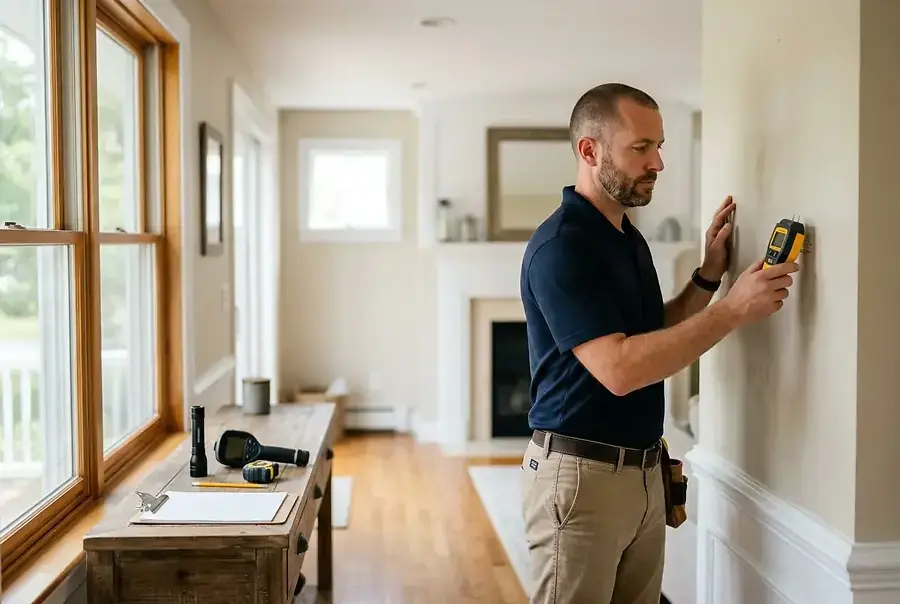
Why Home Inspections Matter in Lewes Real Estate
Purchasing a home is one of the most significant financial decisions you'll make in your lifetime. In Lewes, Delaware, where properties range from historic Victorian homes to modern waterfront residences, a professional home inspection is an essential step in the buying process. A thorough inspection protects your investment by identifying potential issues before you commit to the purchase.
Home inspections serve as your personal advocate during the buying process. They provide an objective assessment of the property's condition, allowing you to negotiate repairs or price adjustments with the seller. Without this critical step, you could inherit costly problems that weren't immediately visible to the untrained eye.
What a Professional Home Inspector Looks For in Delaware Properties
Structural Components
Professional home inspectors begin by examining the foundation, framing, and overall structural integrity of the property. In Lewes, where homes are exposed to coastal weather conditions, inspectors pay special attention to:
- Foundation cracks and settling issues
- Water damage and moisture intrusion
- Roof condition and potential leaks
- Wall and floor stability
Mechanical Systems
The heating, cooling, and plumbing systems are critical to a home's functionality. Inspectors thoroughly evaluate:
- HVAC Systems: Age, maintenance history, and operational efficiency
- Electrical Systems: Panel condition, wiring safety, and outlet functionality
- Plumbing: Water pressure, drainage, and pipe material and condition
- Water Heater: Age, capacity, and proper venting
Interior and Exterior Features
Inspectors examine both visible and hidden components throughout the property, including windows, doors, insulation, ventilation, and exterior siding. They also check for signs of pest infestation or previous pest damage, which is particularly important in Delaware's humid climate.
Common Issues Found in Lewes Homes and How to Address Them
Moisture and Water Damage
Given Lewes' proximity to the Atlantic Ocean and Delaware Bay, moisture-related issues are among the most common problems found in local homes. Water intrusion can lead to mold growth, structural decay, and compromised insulation. If an inspection reveals moisture problems, you may need to:
- Repair or replace damaged roofing materials
- Improve drainage around the foundation
- Install or upgrade gutters and downspouts
- Address basement or crawl space moisture with proper ventilation
Aging Roofing Systems
Many Lewes homes feature roofs that have endured years of coastal weather exposure. Inspectors look for missing shingles, deterioration, and improper installation. A roof replacement can be a significant expense, but addressing it early prevents more costly water damage. Sellers may offer credits toward replacement or repairs based on inspection findings.
Outdated Electrical Systems
Older Lewes properties sometimes contain aluminum wiring or outdated electrical panels that don't meet current safety standards. These systems may not safely support modern appliances and technology. Upgrading electrical systems is a worthwhile investment that improves both safety and home value.
HVAC Concerns
Heating and cooling systems in coastal properties work harder due to humidity and temperature fluctuations. Inspectors assess whether systems are appropriately sized for the home and properly maintained. Aging units may need replacement, which is an important negotiation point during the purchase process.
Foundation Issues
Delaware's sandy soil and high water table can contribute to foundation problems. Inspectors look for cracks, settling, or signs of water seepage. While minor cracks are common, significant structural issues require professional evaluation and repair.
Using Inspection Reports to Make Confident Purchasing Decisions
Once the inspection is complete, you'll receive a detailed report outlining all findings. This document becomes your roadmap for negotiation and decision-making. Here's how to use it effectively:
Prioritize Issues by Severity
Not all inspection findings require immediate action. Categorize issues into three groups: critical (safety hazards or major structural problems), important (systems nearing end of life), and minor (cosmetic or easily fixable items). Focus negotiations on critical and important items.
Obtain Repair Estimates
For significant issues, request repair estimates from licensed contractors. This gives you concrete numbers to present during negotiations. Sellers may agree to make repairs, provide credits, or adjust the purchase price based on these estimates.
Consider Long-Term Costs
Think beyond the immediate inspection findings. An older roof or HVAC system may function now but require replacement within a few years. Factor these anticipated expenses into your decision-making process and financial planning.
Don't Skip the Walk-Through
Attend the inspection if possible. Ask questions, take notes, and get a firsthand understanding of the property's condition. This knowledge empowers you to make informed decisions and understand what you're purchasing.
"A home inspection is not just about finding problems—it's about understanding the true condition of your potential investment and making decisions based on facts rather than assumptions."
Plan Your Next Steps
Based on inspection results, you can request repairs, ask for credits toward closing costs, renegotiate the purchase price, or walk away from the deal if issues are too significant. Your inspection contingency period gives you the time and information needed to make this crucial decision.
Home inspections are a vital part of the Lewes real estate buying process. By understanding what inspectors look for and how to use their findings, you'll be better equipped to make confident purchasing decisions that protect your investment and ensure your new home is safe, sound, and worth the price you're paying.
