Why Neighborhood Knowledge Matters in Real Estate
When purchasing a home, many buyers focus primarily on the house itself—the square footage, number of bedrooms, and condition of the structure. However, the neighborhood is equally important in determining your property's value and your long-term satisfaction with the purchase. In Marshall, Missouri, understanding neighborhood dynamics can mean the difference between a sound investment and a regrettable decision.
Neighborhood characteristics influence not only your current quality of life but also your home's resale value, appreciation potential, and overall investment return. A home in a thriving neighborhood with strong community amenities, good schools, and low crime rates will typically appreciate faster and attract more buyers than an identical home in a declining area.
Key Factors That Drive Property Values in Marshall Neighborhoods
School Quality and Educational Opportunities
One of the most significant factors affecting neighborhood property values is school quality. Families with children prioritize access to excellent schools, and homes in districts with high-performing schools command premium prices. In Marshall, neighborhoods served by top-rated schools experience stronger demand and better long-term appreciation.
Proximity to Amenities and Services
Neighborhoods with convenient access to shopping, dining, healthcare, and recreational facilities are highly desirable. Proximity to parks, libraries, fitness centers, and entertainment venues adds value to properties. Buyers appreciate neighborhoods where they can walk or drive short distances to meet their daily needs.
Safety and Crime Rates
Safety is paramount for any homebuyer. Neighborhoods with low crime rates and strong community policing attract families and investors alike. Crime statistics directly correlate with property values—areas with declining crime rates often see property appreciation, while neighborhoods with rising crime may experience value stagnation.
Infrastructure and Maintenance
Well-maintained streets, sidewalks, and public spaces indicate a neighborhood's overall health. Communities that invest in infrastructure upkeep demonstrate commitment to quality of life. Neighborhoods with good road conditions, adequate street lighting, and well-maintained public areas tend to have higher property values.
Community Character and Demographics
The character of a neighborhood—whether it's historic, modern, family-oriented, or young professional-focused—attracts specific buyer demographics. Understanding the community's character helps you determine if it aligns with your lifestyle and values. Neighborhoods with strong community engagement and active homeowner associations often maintain property values better than those without.
Economic Stability and Job Growth
Neighborhoods in areas with diverse employment opportunities and economic growth tend to appreciate faster. Access to major employers, business districts, and growing industries supports long-term property value appreciation. Marshall's economic development initiatives directly impact neighborhood desirability.
Comparing Marshall's Most Desirable Residential Areas
Historic Downtown Neighborhoods
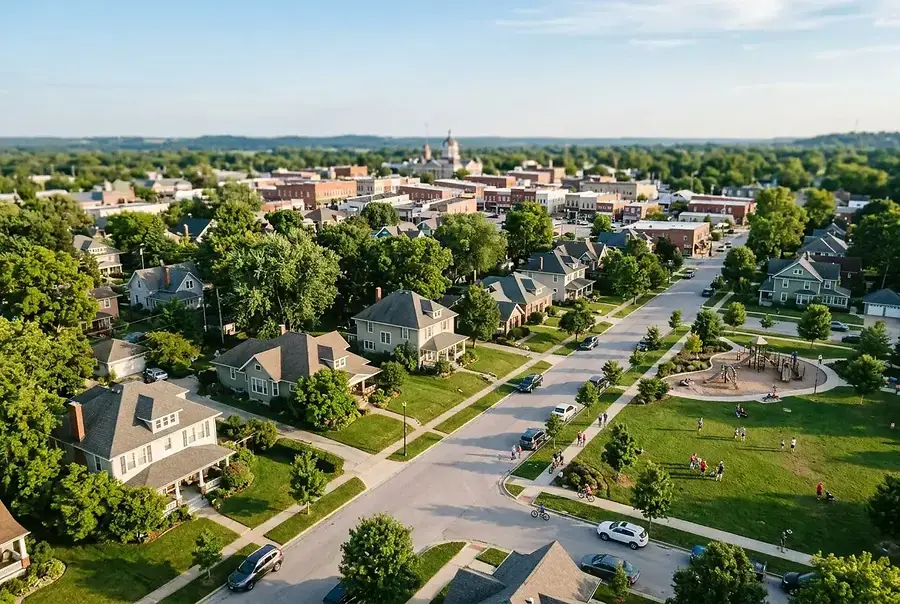
Marshall's historic downtown areas offer charm, character, and walkability. These neighborhoods feature beautiful Victorian homes, tree-lined streets, and proximity to local businesses and cultural attractions. Historic neighborhoods appeal to buyers seeking authentic character and community engagement. Properties here often appreciate steadily due to their unique appeal and limited inventory.
Family-Friendly Suburban Communities
Suburban neighborhoods surrounding Marshall's core offer spacious homes, larger lots, and excellent schools. These areas attract growing families seeking room to expand and quality education. Suburban neighborhoods typically offer newer construction, modern amenities, and planned community features that appeal to families with children.
Emerging Growth Areas
Neighborhoods experiencing new development and infrastructure improvements represent excellent investment opportunities. These areas often offer better value than established neighborhoods while providing growth potential. As amenities develop and the community matures, properties in emerging areas frequently appreciate significantly.
Established Residential Districts
Mature neighborhoods with established trees, mature landscaping, and stable populations offer stability and predictability. These areas have proven track records of consistent appreciation and strong community bonds. Buyers seeking stability over rapid appreciation often prefer established neighborhoods.
Using Neighborhood Insights to Find Your Perfect Home
To make an informed decision about your Marshall home purchase, follow these steps:
- Research crime statistics and safety data for neighborhoods you're considering
- Visit neighborhoods at different times of day to assess activity levels and community feel
- Review school ratings and performance data if education is important to your family
- Analyze recent property sales and appreciation trends in target neighborhoods
- Talk to current residents about their neighborhood experiences and satisfaction
- Consider future development plans that may impact your neighborhood's character and value
- Evaluate proximity to your workplace and daily destinations
Understanding Marshall's neighborhoods empowers you to make confident decisions aligned with your lifestyle, budget, and investment goals. The right neighborhood choice can enhance your quality of life while protecting your financial investment. Take time to thoroughly evaluate neighborhoods before making your purchase decision, and you'll be well-positioned to find a home that meets your needs and appreciates over time.