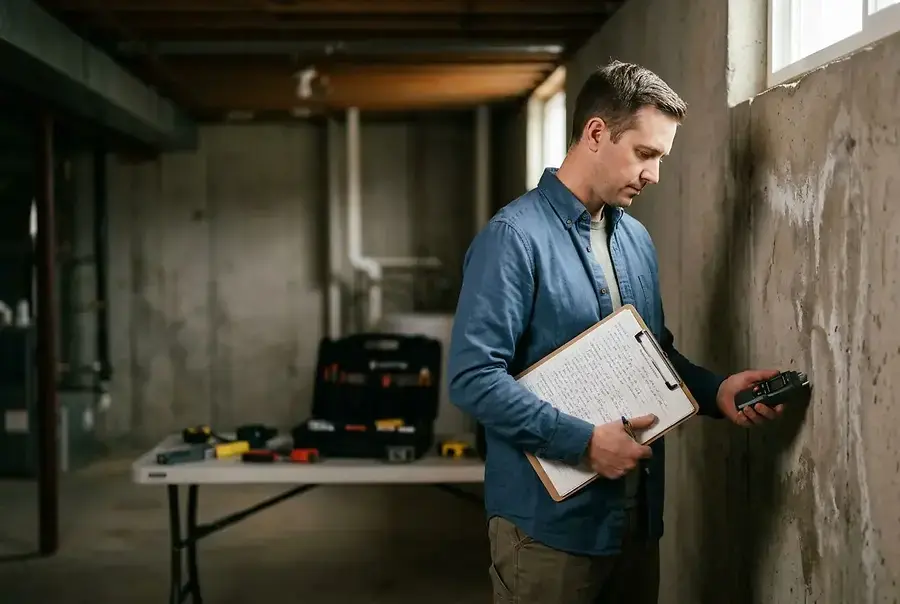
Why Home Inspections Matter in Omaha's Real Estate Market
Purchasing a home is one of the most significant financial decisions you'll make in your lifetime. In Omaha's competitive real estate market, a thorough home inspection is your best defense against costly surprises and hidden problems. A professional home inspection provides an objective assessment of a property's condition, helping you understand exactly what you're buying.
Many homebuyers in Omaha skip or rush through inspections to close deals faster, but this approach can lead to expensive repairs and safety hazards down the road. An inspection typically costs between $300 and $500—a small investment compared to the potential cost of addressing major structural or system failures after purchase.
Key reasons to prioritize home inspections:
- Identify hidden defects before they become your responsibility
- Negotiate repairs or price reductions with sellers
- Plan for future maintenance and budgeting
- Ensure the home meets safety standards
- Provide peace of mind about your investment
The Complete Home Inspection Checklist: Structural, Systems, and Safety
Structural Components
A qualified inspector will examine the foundation, walls, roof, and overall structural integrity of the home. In Omaha, where weather patterns can be harsh, paying special attention to foundation cracks, water damage, and roof condition is essential. Look for signs of settling, bowing walls, or moisture intrusion that could indicate serious structural problems.
Electrical and Plumbing Systems
Your inspector should verify that electrical systems are up to code, outlets are properly grounded, and the panel can handle modern electrical demands. For plumbing, they'll check water pressure, drainage, pipe materials, and the condition of fixtures. Older Omaha homes may have outdated wiring or galvanized pipes that need replacement.
HVAC and Heating Systems
The heating, ventilation, and air conditioning systems are critical in Omaha's climate. Inspectors will test furnaces, air conditioners, and thermostats to ensure they're functioning properly. They'll also evaluate ductwork and insulation to determine energy efficiency.
Roofing and Exterior
A thorough roof inspection checks for missing shingles, leaks, proper ventilation, and remaining lifespan. The inspector will also examine siding, windows, doors, gutters, and grading to ensure water drains away from the foundation properly.
Interior Safety Features
Inspectors verify the presence and functionality of smoke detectors, carbon monoxide detectors, and fire extinguishers. They'll also check for proper ventilation in bathrooms and kitchens to prevent moisture buildup.
Common Issues Found in Omaha Homes and How to Address Them
Foundation and Water Damage
Omaha's soil composition and weather patterns make foundation issues relatively common. Watch for: cracks in the foundation, water stains in basements, efflorescence (white mineral deposits), and signs of previous water damage. Minor cracks may be cosmetic, but larger cracks or bowing walls require professional evaluation and repair.
Roof Deterioration
Many Omaha homes experience roof wear due to hail, wind, and temperature fluctuations. If your inspection reveals a roof nearing the end of its lifespan, budget for replacement within the next few years. This is a significant expense, so factor it into your offer negotiations.
Outdated Electrical Systems
Older homes may have aluminum wiring or insufficient electrical capacity. These issues pose fire hazards and may require rewiring by a licensed electrician. Modern homes should have adequate circuits and proper grounding throughout.
HVAC System Age
Furnaces and air conditioning units typically last 15-20 years. If your inspection reveals aging systems, plan for replacement costs or negotiate credits with the seller. Proper maintenance can extend system life, but aging units become less efficient and more prone to failure.
Plumbing Problems
Galvanized pipes, which were common in older Omaha homes, corrode over time and reduce water pressure. Polybutylene pipes, used in some homes built in the 1980s-90s, are prone to failure. If present, these should be replaced with modern copper or PEX piping.
Pest and Moisture Issues
Inspectors look for signs of termites, carpenter ants, and other pests that can damage wood structures. Moisture problems in crawl spaces or attics can lead to mold growth and structural decay. These issues require professional remediation.
Making Informed Decisions with Inspection Results
Once you receive your inspection report, take time to review it thoroughly. Don't panic over minor issues—every home has some wear and tear. Instead, focus on significant problems that affect safety, functionality, or long-term value.
Your options after receiving inspection results:
- Request repairs: Ask the seller to fix major issues before closing
- Negotiate credits: Receive money at closing to handle repairs yourself
- Renegotiate price: Adjust the purchase price to reflect needed repairs
- Walk away: If issues are too severe, you may have grounds to exit the contract
- Accept as-is: Proceed with the purchase if issues are manageable
Consider getting a second opinion from specialists for any major concerns. A structural engineer can assess foundation issues, a roofer can evaluate roof condition, and an electrician can review electrical systems. These expert opinions strengthen your negotiating position.
Remember that inspection contingencies are your protection. Most purchase agreements include a period for inspections and negotiations—use this time wisely to make informed decisions about your investment.
Pro Tip: Attend the inspection if possible. Walking through with the inspector allows you to ask questions, understand issues firsthand, and learn about the home's systems and maintenance needs.
A comprehensive home inspection is an investment in your peace of mind and financial security. By understanding what inspectors look for and knowing which issues are deal-breakers versus manageable concerns, you'll be equipped to make confident decisions in Omaha's real estate market. Don't let the excitement of finding your dream home override the importance of thorough due diligence.