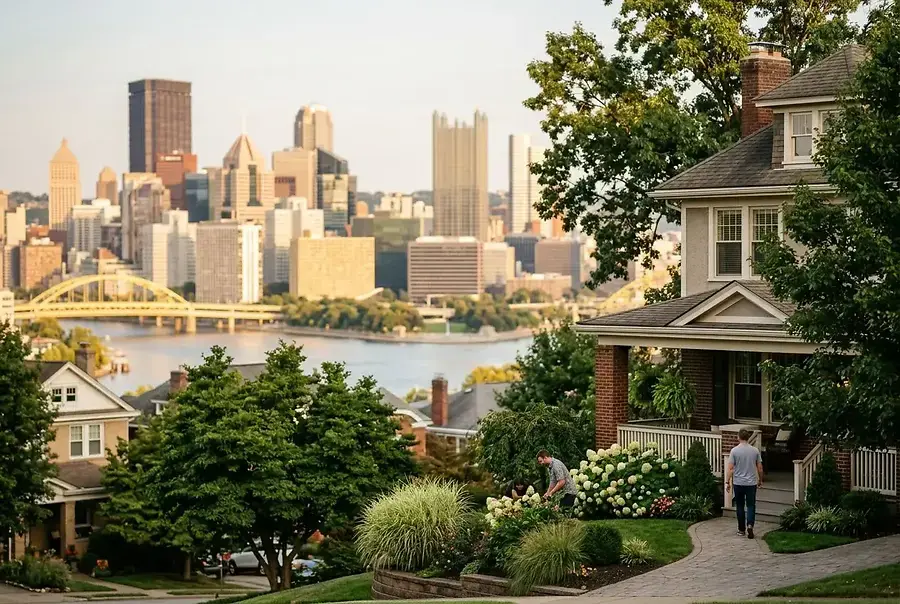
Introduction: The Importance of Understanding Property Valuation
Whether you're a homeowner looking to sell, a buyer searching for your next investment, or simply curious about your property's value, understanding what drives Pittsburgh real estate prices is essential. Your home is likely one of the most significant investments you'll ever make, and knowing the factors that influence its worth can help you make informed decisions about buying, selling, or improving your property.
Property valuation isn't just about the square footage or the number of bedrooms. It's a complex interplay of market conditions, neighborhood characteristics, and specific home features that work together to determine what buyers are willing to pay. By understanding these factors, you can better position your property in the market and potentially increase its value.
Market Factors Affecting Pittsburgh Real Estate Values
Economic Conditions and Local Growth
Pittsburgh's economy has undergone significant transformation in recent years, shifting from its steel industry roots to a diverse hub of technology, healthcare, and education. This economic diversification directly impacts property values across the region. Areas experiencing job growth and business development tend to see appreciation in home values as demand increases.
The presence of major employers like UPMC, Carnegie Mellon University, and tech companies attracts professionals to the area, creating sustained demand for housing. When employment opportunities are strong, more people want to move to Pittsburgh, which naturally drives up property values.
Neighborhood Desirability and Demographics
Not all Pittsburgh neighborhoods are created equal when it comes to property values. Factors that contribute to neighborhood desirability include:
- School District Quality: Families prioritize good schools, making homes in top-rated school districts more valuable
- Safety and Crime Rates: Neighborhoods with lower crime rates command higher property values
- Walkability and Amenities: Access to restaurants, shops, parks, and public transportation increases appeal
- Community Character: Established neighborhoods with strong community identity often maintain stable or appreciating values
- Proximity to Employment Centers: Shorter commutes to major job hubs make neighborhoods more attractive
Market Supply and Demand
Like any market, real estate follows basic supply and demand principles. When inventory is low and buyer demand is high, prices tend to rise. Conversely, an oversupply of homes can put downward pressure on values. Pittsburgh's market has remained relatively balanced, which has helped maintain steady property values compared to more volatile markets.
Interest Rates and Financing Conditions
Mortgage interest rates play a crucial role in property values. When rates are low, more buyers can afford homes, increasing demand and pushing prices up. Higher interest rates reduce buying power, which can cool the market. Keeping an eye on lending trends helps you understand the broader context of your property's value.
Home-Specific Elements That Impact Your Property's Worth
Age and Condition of the Property
The age and overall condition of your home significantly affect its value. While older Pittsburgh homes often feature charming architectural details and solid construction, they may require more maintenance and updates. Newer homes typically command premium prices but may lack the character of historic properties. Regular maintenance and strategic upgrades can help preserve and enhance your home's value regardless of age.
Square Footage and Layout
Generally, larger homes command higher prices, but layout matters too. An efficient, functional floor plan with good flow is more desirable than a poorly designed larger space. Modern open-concept living appeals to many buyers, while others prefer traditional room separation. The number of bedrooms and bathrooms also directly impacts value, with additional bathrooms being particularly valuable.
Upgrades and Renovations
Strategic home improvements can significantly boost your property's value. High-return investments typically include:
- Kitchen remodeling and updated appliances
- Bathroom upgrades and modernization
- Energy-efficient windows and insulation
- Updated HVAC and plumbing systems
- Fresh paint and flooring
- Curb appeal improvements and landscaping
Not all renovations provide equal returns, so it's wise to research which upgrades are most valued in your specific Pittsburgh neighborhood before investing.
Lot Size and Outdoor Space
The size and usability of your lot contribute to overall property value. Larger lots with mature trees, outdoor living spaces, and privacy are generally more desirable. In Pittsburgh's urban and suburban neighborhoods, even modest outdoor space can be a significant selling point.
Special Features and Amenities
Unique features can set your home apart and increase its value. These might include:
- Hardwood floors and original architectural details
- Fireplaces and built-in shelving
- Finished basements or bonus rooms
- Garages or off-street parking
- Smart home technology and modern conveniences
- Views of the city, rivers, or green spaces
Conclusion: Taking Action to Enhance Your Property's Value
Understanding what drives Pittsburgh property values empowers you to make smarter real estate decisions. Whether you're planning to sell soon or simply want to protect your investment, focus on factors within your control—maintaining your home, making strategic upgrades, and keeping your property in excellent condition.
Remember that property valuation is both an art and a science. While market factors and home-specific elements provide a framework for understanding value, working with a qualified local real estate professional can give you personalized insights into your specific property and neighborhood. They can provide comparative market analysis and help you understand how your home stacks up against similar properties in Pittsburgh.
By staying informed about market trends and taking proactive steps to maintain and improve your property, you can work toward maximizing your home's value and ensuring a strong return on your investment.