The Shift in Pittsburgh's Residential Real Estate
Pittsburgh's residential real estate market has undergone a remarkable transformation in recent years. Once primarily driven by traditional factors like proximity to employment centers and school quality, the market now reflects a more nuanced set of buyer priorities. The city has evolved from a post-industrial hub into a vibrant, diverse community that attracts young professionals, remote workers, and established families seeking a more affordable alternative to coastal metropolitan areas.
This shift represents more than just demographic change—it reflects fundamental changes in how people work, live, and invest. The rise of remote work has untethered many buyers from the necessity of living near traditional office parks, while the revitalization of neighborhoods like Lawrenceville, the Strip District, and Shadyside has created new desirability factors that extend far beyond conventional metrics.
Key Market Trends Shaping Buyer Decisions in Pittsburgh
The Remote Work Revolution
The ability to work from anywhere has fundamentally altered buyer behavior in Pittsburgh. Properties with dedicated home office spaces, reliable internet infrastructure, and proximity to lifestyle amenities have become increasingly valuable. Buyers are no longer confined to neighborhoods near their employers, allowing them to prioritize factors like walkability, cultural attractions, and community character.
Walkability and Urban Amenities
Modern Pittsburgh buyers increasingly value neighborhoods that offer:
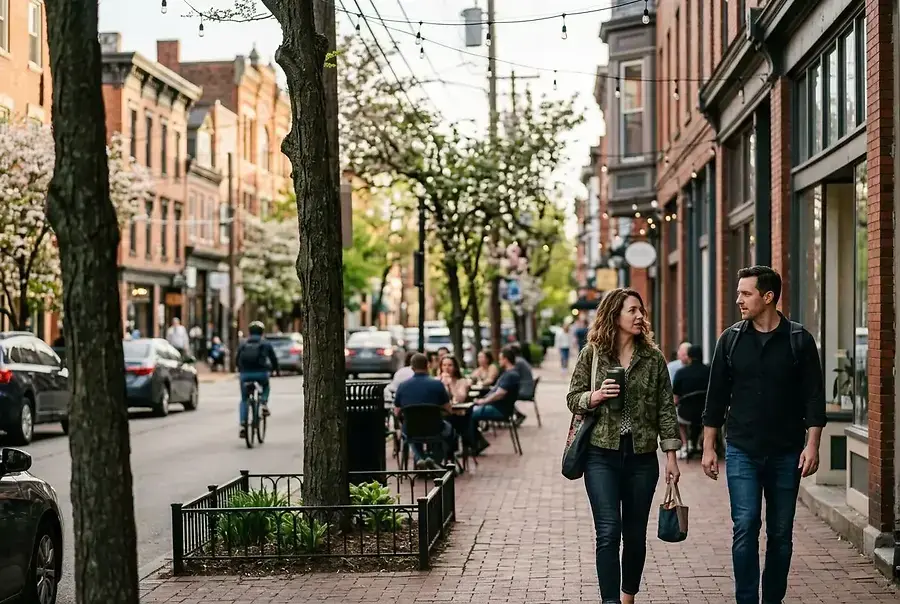
- Pedestrian-friendly streets with shops, restaurants, and entertainment within walking distance
- Access to parks and green spaces for recreation and outdoor activities
- Public transportation options that reduce dependence on personal vehicles
- Local businesses and independent retailers that create authentic community character
Neighborhoods that have invested in streetscape improvements and local business development have seen corresponding increases in property values and buyer interest.
Affordability Relative to Other Major Markets
Pittsburgh remains significantly more affordable than comparable cities on the East and West coasts. This affordability advantage has attracted investors, first-time homebuyers, and families looking to maximize their purchasing power. However, this advantage is gradually narrowing as demand increases and property values appreciate, particularly in desirable neighborhoods.
Renovation and Historic Character
Pittsburgh's architectural heritage has become a major selling point. Many buyers are drawn to historic homes with original features, and the market has responded with increased investment in renovation and restoration. Properties that successfully balance historic character with modern amenities command premium prices, while poorly maintained historic properties face challenges in the current market.
Sustainability and Energy Efficiency
Environmental consciousness is increasingly influencing buyer decisions. Properties with energy-efficient systems, updated insulation, modern HVAC systems, and sustainable features attract buyers willing to pay premiums for lower operating costs and reduced environmental impact.
How Neighborhood Characteristics Impact Property Values
The Neighborhood Premium
In Pittsburgh's current market, neighborhood selection often matters more than individual property characteristics. Two similar homes in different neighborhoods can have dramatically different values based on neighborhood trajectory, amenities, and buyer perception.
Emerging vs. Established Neighborhoods
Emerging neighborhoods like Garfield and Hazelwood offer significant upside potential for investors and buyers seeking value. These areas feature:
- Lower entry prices with appreciation potential
- Active community development initiatives
- Growing business and restaurant scenes
- Increasing investment in infrastructure
Established neighborhoods like Squirrel Hill, Shadyside, and Highland Park maintain strong values through:
- Proven community stability and desirability
- Established amenities and services
- Strong school systems and family-friendly environments
- Consistent property value appreciation
School District Impact
For families with children, school quality remains a primary value driver. Properties in highly-rated school districts command significant premiums, even when comparing similar homes in adjacent neighborhoods. This factor continues to influence buyer decisions and neighborhood desirability rankings.
Proximity to Employment Centers
While remote work has reduced the importance of commute times for some buyers, proximity to major employment centers like the Golden Triangle, University of Pittsburgh, and UPMC still influences property values. Neighborhoods offering reasonable commute times to these areas remain attractive to traditional commuters.
Community Investment and Development
Neighborhoods experiencing active investment in public spaces, infrastructure improvements, and business development see corresponding increases in property values. Buyer confidence in a neighborhood's trajectory often matters as much as its current state. Communities with clear development plans and visible progress attract more buyer interest and investment.
Leveraging Market Insights for Your Next Transaction
Understanding these market trends provides valuable guidance for both buyers and sellers navigating Pittsburgh's real estate landscape.
For Buyers
Look beyond the current market. Consider neighborhoods with strong fundamentals and clear development momentum, even if they're not yet mainstream. Early entry into emerging neighborhoods can provide significant long-term appreciation potential.
Prioritize your lifestyle needs. With remote work flexibility, you can afford to choose neighborhoods based on personal preferences rather than commute requirements. Invest in communities that align with your values and lifestyle goals.
Factor in renovation potential. Historic homes in desirable neighborhoods often offer better value than newer construction. If you're willing to invest in thoughtful renovation, you can capture significant equity appreciation.
For Sellers
Highlight neighborhood strengths. Emphasize walkability, local amenities, community character, and development momentum. Modern buyers want to understand not just the property, but the lifestyle it enables.
Invest in curb appeal and modern amenities. Properties that blend historic character with contemporary conveniences command premium prices. Updated kitchens, bathrooms, and home office spaces are increasingly important.
Understand your neighborhood's trajectory. Properties in neighborhoods with positive momentum and clear development plans sell faster and at higher prices than those in stagnant areas.
For Investors
Pittsburgh's market offers compelling opportunities for both value and growth strategies. Established neighborhoods provide stable cash flow and consistent appreciation, while emerging neighborhoods offer higher upside potential for patient investors willing to hold through neighborhood transitions.
The key to success in Pittsburgh's real estate market is understanding that neighborhoods, not just properties, drive value creation. By recognizing these trends and positioning yourself strategically, you can make informed decisions that align with your financial goals and lifestyle preferences.