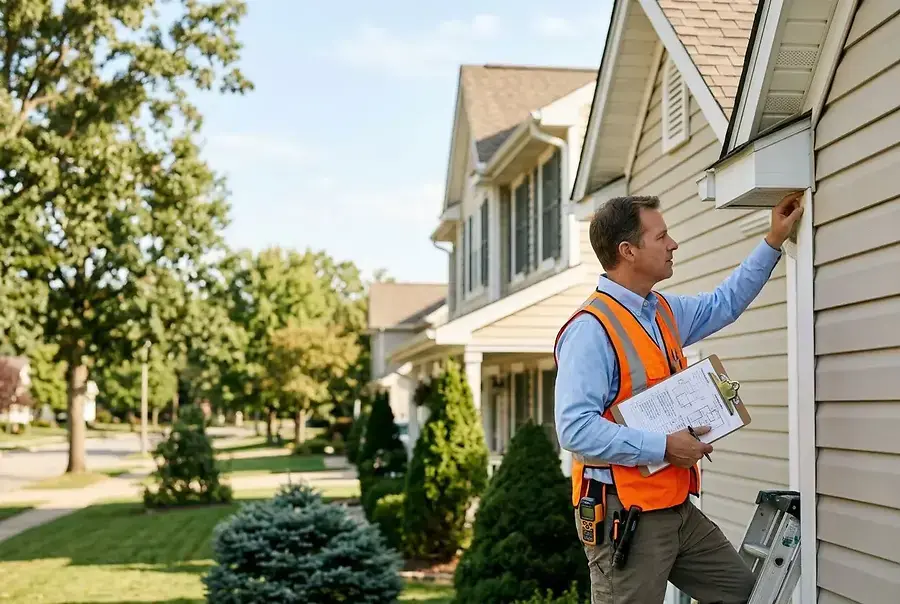
The Critical Role of Home Inspections in Residential Purchases
Purchasing a home is one of the most significant financial decisions you'll make in your lifetime. Before signing on the dotted line, a professional home inspection serves as your safeguard—a detailed examination of the property's condition that can reveal hidden problems and protect your investment. Understanding how to read and interpret your inspection report is crucial for making informed decisions and negotiating effectively with sellers.
A home inspection typically costs between $300 and $500 and covers the major systems and components of the property, including the foundation, roof, plumbing, electrical systems, HVAC, and more. The inspector will spend 2-3 hours thoroughly examining the home and documenting their findings in a detailed report. This report becomes your roadmap for understanding what you're actually buying.
Decoding Common Inspection Report Findings and What They Mean
Understanding the Severity Categories
Most inspection reports categorize findings into different severity levels. Familiarizing yourself with these categories helps you prioritize concerns:
- Critical Issues: These are safety hazards or major structural problems that require immediate attention. Examples include foundation cracks, electrical hazards, or roof leaks affecting the home's integrity.
- Major Issues: Significant problems that will likely need repair soon, such as aging HVAC systems, water damage, or plumbing issues.
- Minor Issues: Small repairs or maintenance items that don't pose immediate safety risks, like caulking gaps or worn weatherstripping.
- Recommendations: Suggestions for maintenance or upgrades to improve the home's longevity and efficiency.
Common Red Flags to Watch For
While every home has some issues, certain findings warrant closer attention:
- Foundation Problems: Cracks in the foundation, settling, or water intrusion can be expensive to repair and may indicate structural issues.
- Roof Damage: Missing shingles, leaks, or an aging roof nearing the end of its lifespan can cost $10,000 or more to replace.
- Electrical Issues: Outdated wiring, improper grounding, or overloaded circuits pose fire hazards and may require rewiring.
- Plumbing Problems: Leaks, corrosion, or outdated pipes can lead to water damage and costly repairs.
- HVAC System Age: Heating and cooling systems typically last 15-20 years. Older systems may fail soon and require replacement.
- Mold or Water Damage: These issues can affect air quality and structural integrity, requiring professional remediation.
What "Normal Wear and Tear" Really Means
Inspectors often note items as normal wear and tear, which means they're expected deterioration for a home of that age. This doesn't mean you shouldn't be concerned—it simply means the issue is typical and may not be negotiable. However, understanding the difference between normal aging and premature failure helps you assess whether repairs are truly necessary or just part of homeownership.
Negotiating Repairs and Credits After Inspection Results
Preparing Your Negotiation Strategy
Once you receive your inspection report, you have several options for addressing the findings:
- Request Repairs: Ask the seller to fix critical and major issues before closing.
- Request Credits: Ask for a monetary credit to cover repair costs yourself.
- Request Price Reduction: Negotiate a lower purchase price to account for needed repairs.
- Walk Away: If issues are too severe or costly, you may choose to terminate the purchase.
Prioritizing Your Requests
Don't request repairs for every minor finding—this approach often backfires. Instead, focus on critical safety issues and major structural problems. Sellers are more likely to negotiate on items that genuinely affect the home's safety and value. For minor issues, consider handling them yourself after purchase or requesting a modest credit.
Getting Estimates and Documentation
Before negotiating, obtain written estimates from licensed contractors for major repairs. This documentation strengthens your position and shows the seller you're serious and realistic about costs. Use these estimates to support your repair requests or credit negotiations.
The Art of Respectful Negotiation
Remember that sellers often have emotional attachments to their homes. Frame your requests professionally and factually, focusing on the inspection findings rather than criticizing the property. A respectful approach is more likely to result in a favorable outcome than an aggressive one.
"The inspection period is your opportunity to verify that the home is in the condition you expect. Use this time wisely to gather information and make informed decisions about your purchase."
Using Inspection Reports to Make Informed Buying Decisions
Your inspection report is more than just a list of problems—it's a valuable tool for understanding your potential investment. Use it to:
- Assess True Value: Compare the inspection findings with the asking price to determine if you're getting fair value.
- Plan Future Maintenance: Understand which systems may need attention soon so you can budget accordingly.
- Identify Patterns: Multiple issues in one area (like water damage) may indicate a larger underlying problem.
- Make Confident Decisions: Armed with detailed information, you can negotiate from a position of knowledge and confidence.
Don't let inspection findings paralyze you with indecision. Every home has issues—the question is whether those issues are acceptable to you at the negotiated price. By understanding your inspection report and using it strategically, you can move forward with confidence in your home purchase decision.
The key to successful home buying is knowledge and preparation. Take time to thoroughly review your inspection report, ask your inspector questions, and consult with your real estate agent about negotiation strategies. With these tools in hand, you'll be well-equipped to navigate the inspection process and make a purchase decision that's right for you.