The Critical Role of Property Inspections in Real Estate Transactions
Property inspections are one of the most important steps in any real estate transaction. Whether you're buying your first home or selling a property you've owned for decades, understanding the inspection process can save you thousands of dollars and prevent costly surprises down the road. A professional property inspection provides an objective assessment of a home's condition, identifying potential issues before they become major problems.
For buyers, an inspection offers peace of mind and negotiating power. For sellers, addressing issues proactively can streamline the sale process and increase buyer confidence. In today's competitive real estate market, knowledge about your property's condition is invaluable.
What Happens During a Professional Property Inspection and Timeline Expectations
The Inspection Process
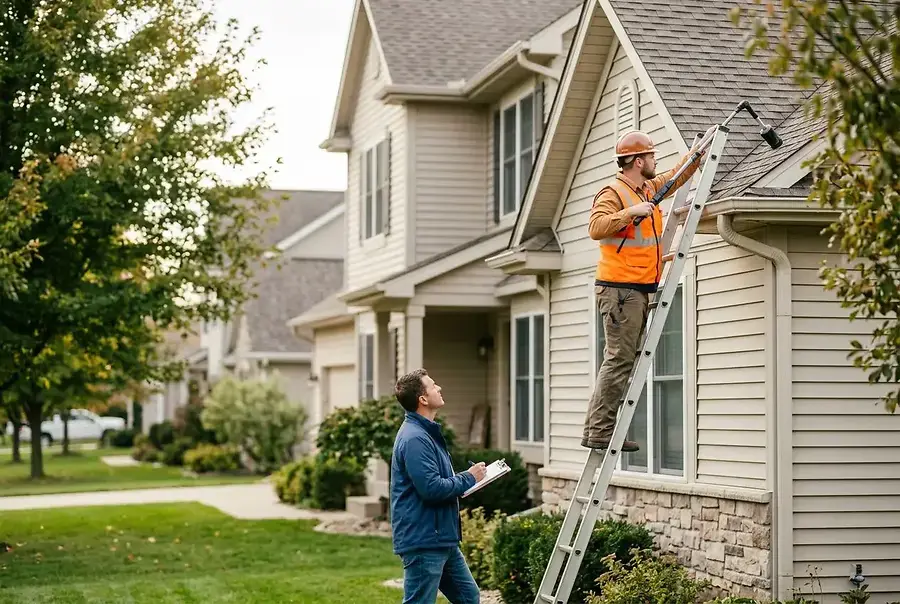
A professional property inspection typically takes 2 to 4 hours, depending on the home's size and age. The inspector will systematically evaluate every major component of the property, both inside and outside. Here's what you can expect:
- Exterior Assessment: Roof condition, siding, gutters, drainage systems, and foundation
- Structural Components: Walls, floors, ceilings, and overall structural integrity
- Systems and Appliances: Electrical systems, plumbing, HVAC, water heater, and built-in appliances
- Interior Features: Windows, doors, insulation, and interior walls
- Safety Concerns: Potential hazards like mold, asbestos, or radon
Timeline and Report Delivery
Most inspectors provide a detailed written report within 24 to 48 hours of the inspection. This report includes photographs, descriptions of findings, and recommendations for repairs or further evaluation. Buyers typically have a window of 7 to 10 days to review the inspection results and decide on next steps, such as requesting repairs or renegotiating the purchase price.
Pro tip: Attend the inspection if possible. Walking through with the inspector allows you to ask questions and understand issues firsthand.
Common Issues Inspectors Find and How to Address Them Before Listing or Purchasing
Roof and Exterior Issues
Roof problems are among the most frequently discovered issues. Missing shingles, leaks, and age-related deterioration can be expensive to repair. Sellers should address roof concerns before listing, as buyers often view roof repairs as deal-breakers. For buyers, budget for roof replacement if the inspection reveals significant damage.
Plumbing and Water Damage
Water damage, leaks, and outdated plumbing systems are common red flags. These issues can lead to mold growth and structural damage if left unaddressed. Inspectors will check for:
- Water stains on ceilings and walls
- Pipe corrosion or deterioration
- Inadequate water pressure or drainage issues
- Signs of past or present water intrusion
Addressing plumbing issues promptly protects both the property's value and the health of its occupants.
Electrical System Deficiencies
Outdated electrical systems, insufficient outlets, and code violations are serious concerns. Modern homes require adequate electrical capacity to support contemporary appliances and technology. Sellers should ensure their electrical systems meet current building codes, while buyers should budget for upgrades if necessary.
HVAC System Problems
Heating and cooling systems are critical for comfort and energy efficiency. Inspectors evaluate whether systems are functioning properly and estimate their remaining lifespan. Aging HVAC systems may need replacement within a few years, which is an important consideration for buyers.
Foundation and Structural Concerns
Foundation cracks, settling, or structural damage are among the most serious issues an inspector can find. While minor cracks are common, significant structural problems require professional engineering assessment and can be costly to repair. This is where a thorough inspection truly protects your investment.
Mold, Asbestos, and Environmental Hazards
Inspectors look for signs of mold, which can affect indoor air quality and health. Older homes may contain asbestos or lead paint, requiring specialized testing and remediation. Understanding these environmental concerns is crucial for making an informed purchase decision.
Proactive Steps for Sellers
Sellers can strengthen their position by conducting a pre-listing inspection. This allows you to address issues before marketing the property, potentially increasing its value and appeal. Common pre-sale repairs include:
- Fixing leaky faucets and running toilets
- Replacing broken windows or damaged siding
- Addressing obvious safety hazards
- Ensuring all systems are functioning properly
- Cleaning and maintaining the property
Using Inspection Results to Make Informed Real Estate Decisions
For Buyers: Negotiation and Decision-Making
After receiving the inspection report, buyers have several options. You can request repairs from the seller, ask for a price reduction to cover repair costs, or walk away from the deal if issues are too significant. The inspection contingency in your purchase agreement protects your right to make these decisions.
Consider the cost of repairs, the age of systems, and your long-term plans for the property. A home with minor cosmetic issues may be a great investment, while one with major structural or system problems might not be worth the risk.
For Sellers: Building Buyer Confidence
Transparency about your property's condition builds trust with potential buyers. If you've already addressed issues or have documentation of recent repairs, share this information. A well-maintained property with a clean inspection report commands higher prices and attracts serious buyers.
The Bottom Line
Property inspections are not just a formality—they're a critical investment in your real estate transaction. Whether you're buying or selling, taking inspection results seriously and acting on them appropriately protects your financial interests and ensures you're making decisions based on facts, not assumptions.
Remember: A thorough property inspection is one of the best investments you can make in any real estate transaction. It provides clarity, protects your interests, and helps you avoid costly surprises.