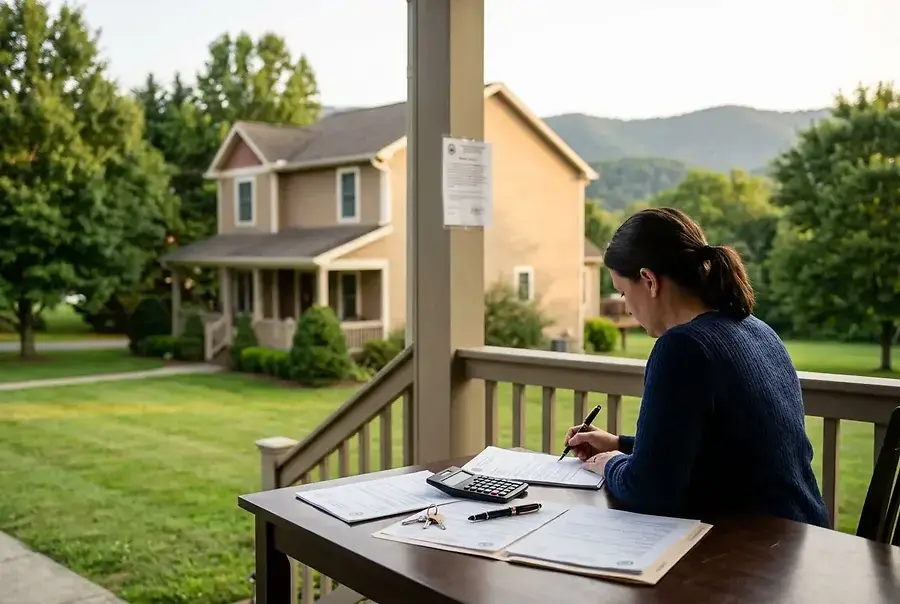
Introduction: Why Property Taxes Matter for Homeowners
Property taxes represent one of the largest ongoing expenses for homeowners in Kanawha Valley. Understanding how these taxes work and what influences your assessment is crucial for making informed financial decisions about your home investment. Whether you're a first-time homebuyer or a long-time resident, grasping the fundamentals of property taxation can help you budget more effectively and potentially save thousands of dollars over the life of your homeownership.
Property taxes fund essential community services including schools, emergency services, infrastructure maintenance, and local government operations. While these services are vital to our communities, it's equally important for homeowners to understand their tax obligations and explore legitimate ways to manage their burden.
Property Tax Basics in West Virginia and Kanawha County
How Property Taxes Are Calculated
In West Virginia, property taxes are calculated using a straightforward formula: Assessed Value × Tax Rate = Annual Property Tax. The assessed value is determined by the county assessor's office, while the tax rate is set by local municipalities and school boards.
Kanawha County follows West Virginia's assessment guidelines, which require properties to be assessed at approximately 60% of their fair market value. This assessment ratio applies uniformly across residential properties, ensuring consistency and fairness in the taxation system.
Understanding Tax Rates in Kanawha Valley
Tax rates in Kanawha Valley vary depending on your specific location within the county. Different municipalities and school districts have different operational costs, which directly impact the tax rates they impose. Rates typically range from $0.50 to $0.70 per $100 of assessed value, though this can vary by district.
- County tax rates fund county services and operations
- Municipal tax rates support city or town services
- School district rates fund educational institutions
- Special district rates may apply for specific services like fire protection
Assessment Frequency and Appeals
Kanawha County conducts property assessments regularly to ensure valuations remain current and accurate. Homeowners have the right to appeal their assessment if they believe it's inaccurate. The appeal process typically involves submitting documentation to the county assessor's office and may include a hearing before the assessment board.
How Property Values Affect Your Tax Assessment
Factors That Influence Property Valuation
Several factors determine how your property is valued for tax purposes. Understanding these elements can help you anticipate changes in your tax bill and identify potential assessment errors.
- Location and neighborhood: Properties in desirable areas typically have higher assessed values
- Property size: Both land acreage and building square footage impact valuation
- Age and condition: Newer homes or recently renovated properties may have higher assessments
- Comparable sales: Recent sales of similar properties in your area influence assessments
- Improvements and upgrades: New additions, renovations, and major repairs can increase assessed value
The Impact of Home Improvements
While home improvements enhance your living experience and property value, they can also trigger reassessment by the county assessor. Major renovations, additions, and structural improvements are typically reported to the assessor's office, which may result in an increased assessment and higher property taxes.
Before undertaking significant home improvements, consider consulting with the assessor's office to understand potential tax implications. Some improvements may be worth the investment despite increased taxes, while others might warrant careful financial planning.
Market Value Changes
Property values in Kanawha Valley fluctuate based on market conditions, economic factors, and neighborhood development. During periods of rising property values, homeowners may see increased assessments. Conversely, in declining markets, assessments may decrease, providing some tax relief.
Strategies to Manage and Reduce Your Property Tax Burden
Challenge Your Assessment
If you believe your property assessment is too high, don't hesitate to file an appeal. Gather evidence such as recent appraisals, comparable property sales, and documentation of any property defects or needed repairs. Many homeowners successfully reduce their tax burden through the appeal process by presenting compelling evidence to the assessment board.
Explore Tax Exemptions and Credits
West Virginia offers several property tax exemptions and credits that may apply to your situation:
- Homestead Property Tax Exemption: Provides relief for primary residences meeting certain criteria
- Senior Citizen Exemptions: Available for qualifying seniors with limited income
- Disabled Veteran Exemptions: Offers tax relief for eligible veterans
- Agricultural Exemptions: Available for properties used for farming purposes
Contact the Kanawha County Assessor's office to determine which exemptions or credits you may qualify for. Eligibility requirements vary, and some programs have income limitations or other restrictions.
Maintain Accurate Property Records
Ensure that the assessor's office has accurate information about your property. Errors in recorded square footage, number of rooms, or property features can lead to inflated assessments. Review your property record card and report any inaccuracies promptly.
Plan for Tax Increases
Budget for potential property tax increases by setting aside funds annually. Understanding your local tax rate and anticipated assessment changes helps you prepare financially for your tax obligations. This proactive approach prevents surprises when your tax bill arrives.
Seek Professional Guidance
Consider consulting with a tax professional or property tax consultant who specializes in Kanawha Valley properties. These experts can identify opportunities for tax reduction, help with appeals, and ensure you're taking advantage of all available exemptions and credits.
Conclusion: Making Informed Decisions About Your Investment
Property taxes are an integral part of homeownership in Kanawha Valley, but understanding how they work empowers you to make better financial decisions. By familiarizing yourself with assessment processes, exploring available exemptions, and challenging inaccurate valuations, you can effectively manage your tax burden.
Remember that property taxes support the services and infrastructure that make our communities valuable places to live. While seeking to minimize your tax obligation is reasonable, doing so through legitimate means ensures the continued vitality of Kanawha Valley's schools, emergency services, and public infrastructure.
Take action today: Review your property assessment, explore available exemptions, and consider consulting with a tax professional to optimize your property tax situation. Your investment in understanding these systems can yield significant financial benefits for years to come.