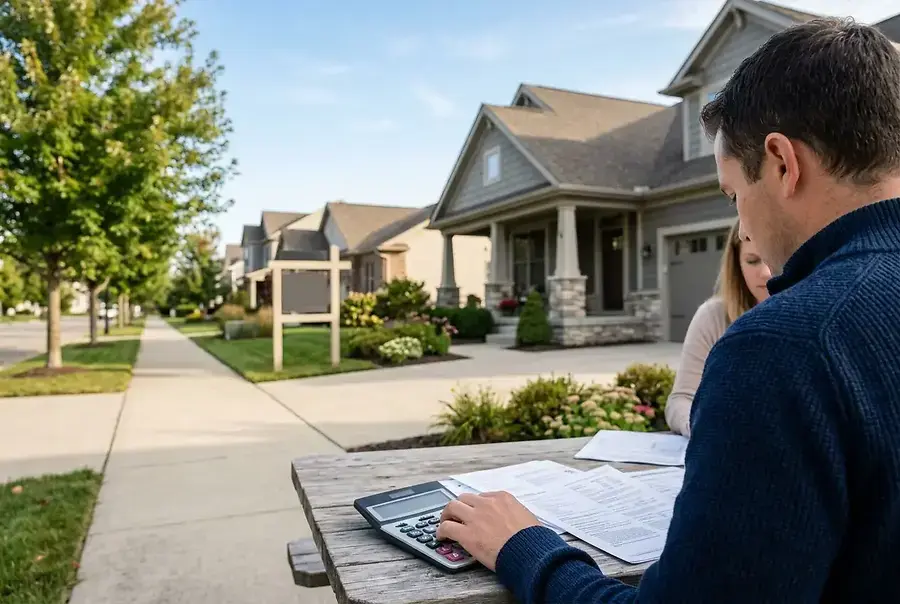
Introduction: Why Property Taxes Matter in Your Home Purchase Decision
When buying a home in the Metro Detroit area, most buyers focus on the purchase price and mortgage payments. However, property taxes represent a significant ongoing expense that can dramatically impact your total cost of ownership. Unlike your mortgage, which eventually disappears, property taxes continue indefinitely and often increase over time.
Property taxes fund essential community services including schools, infrastructure, emergency services, and local government operations. Understanding the tax burden in your chosen neighborhood is just as important as understanding the home's condition or location. A home that seems affordable at purchase might become financially burdensome when you factor in annual property tax obligations.
This guide explores property tax rates across some of Metro Detroit's most sought-after communities, helping you make a more informed decision about where to invest in real estate.
Property Tax Rates Comparison: Grosse Pointe, Birmingham, Plymouth, and Surrounding Communities
Grosse Pointe Communities
The Grosse Pointe area, known for its prestigious neighborhoods and excellent schools, typically features property tax rates ranging from 1.4% to 1.6% of assessed value. These communities include Grosse Pointe Park, Grosse Pointe Farms, Grosse Pointe Woods, and Grosse Pointe Shores. While these rates are moderate compared to some Michigan communities, the high property values mean substantial annual tax bills.
For example, a $500,000 home in Grosse Pointe Farms might generate annual property taxes between $7,000 and $8,000. The investment in these communities reflects the quality of schools, well-maintained infrastructure, and strong property values.
Birmingham
Birmingham, located in Oakland County, offers a slightly different tax structure. Property tax rates in Birmingham typically range from 1.3% to 1.5% of assessed value. This upscale community attracts buyers seeking excellent schools and a vibrant downtown area with shopping and dining options.
The lower tax rate compared to some Grosse Pointe communities, combined with strong property appreciation, makes Birmingham an attractive option for homebuyers. A $400,000 home might result in annual taxes of approximately $5,200 to $6,000.
Plymouth
Plymouth, in Wayne County, generally features property tax rates between 1.5% to 1.7% of assessed value. This charming community offers a blend of small-town character with suburban convenience, appealing to families and professionals alike.
The slightly higher tax rate reflects the community's investment in schools and services. However, Plymouth's property values tend to be more moderate than Grosse Pointe or Birmingham, potentially resulting in lower absolute tax amounts despite higher rates.
Other Notable Communities
Additional Metro Detroit neighborhoods worth considering include:
- Bloomfield Hills: Premium community with rates around 1.4% to 1.6%, serving affluent homebuyers
- Dearborn: Diverse community with rates approximately 1.6% to 1.8%
- Ann Arbor: College town with rates around 1.4% to 1.6%, influenced by university presence
- Farmington Hills: Growing community with rates typically 1.5% to 1.7%
How to Calculate Your Estimated Property Tax and Budget Accordingly
Understanding Assessed Value
Property taxes are calculated based on assessed value, not necessarily the purchase price. In Michigan, the assessed value is typically 50% of the market value, though this can vary. The county assessor determines assessed value, and it's adjusted periodically.
The Basic Calculation
To estimate your property taxes, use this formula:
Annual Property Tax = Assessed Value × Tax Rate
For example, if you purchase a home for $300,000 in a community with a 1.5% tax rate:
- Assessed Value (50% of purchase price): $150,000
- Tax Rate: 1.5%
- Annual Property Tax: $150,000 × 0.015 = $2,250
Budgeting Tips
Plan for increases: Property taxes typically increase annually, often by 2-4% per year. Budget accordingly for future years.
Factor in homestead exemptions: Michigan offers homestead property tax exemptions that can reduce your tax burden. Primary residences may qualify for exemptions that lower your effective tax rate.
Consider special assessments: Some communities levy special assessments for infrastructure improvements, which are separate from regular property taxes.
Research school millage: A significant portion of property taxes funds schools. Understanding your district's millage rate helps explain your total tax obligation.
Tools and Resources
Use the Michigan Property Tax Portal to research specific properties and their tax histories. County assessor websites provide detailed information about assessed values and tax rates. Many real estate websites also include estimated property tax information in their listings.
Conclusion: Making an Informed Decision Based on Total Cost of Ownership
Property taxes are a critical component of homeownership costs that extend far beyond your initial purchase. When comparing homes across Metro Detroit communities, calculate the total cost of ownership, including property taxes, insurance, maintenance, and utilities.
Grosse Pointe, Birmingham, Plymouth, and surrounding communities each offer distinct advantages. Grosse Pointe provides prestige and excellent schools with moderate tax rates. Birmingham offers upscale living with competitive taxes. Plymouth delivers charm and community character with reasonable costs.
The "best" community depends on your priorities, budget, and lifestyle preferences. By understanding property tax rates and calculating your estimated obligations, you'll make a more confident, informed decision about where to invest in your Metro Detroit home.
Take time to research specific neighborhoods, review recent tax assessments, and consult with real estate professionals who understand local tax structures. Your future financial stability depends on making thoughtful decisions today.
