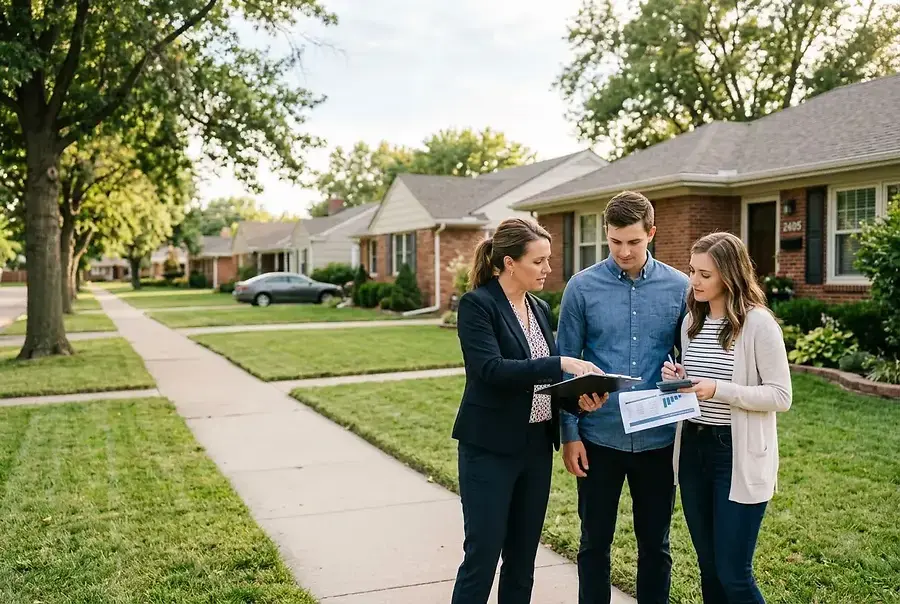
Why Property Taxes Matter for Wichita Homebuyers
When purchasing a home in Wichita, most buyers focus on the mortgage payment and down payment. However, property taxes represent a significant ongoing expense that directly impacts your total cost of ownership. Understanding how these taxes work is essential for making informed financial decisions and avoiding surprises after closing.
Property taxes fund essential services in Wichita, including schools, infrastructure, emergency services, and local government operations. Unlike your mortgage payment, which eventually ends, property taxes continue for as long as you own your home. This makes them a critical factor in your long-term housing budget.
How Wichita's Property Tax System Works: Rates, Assessments, and Exemptions
Understanding the Tax Rate Structure
Wichita's property tax system operates through a combination of local, county, and school district levies. The effective tax rate in Kansas averages around 0.71% of assessed property value, though rates can vary based on your specific location and which taxing districts serve your property.
Your property tax bill is calculated by multiplying your home's assessed value by the applicable mill levy rate. A mill levy is expressed as a dollar amount per $1,000 of assessed property value. For example, if your home is assessed at $200,000 and the mill levy is 35 mills, your annual property tax would be $7,000.
Property Assessment Process
The Sedgwick County Appraiser's office conducts property assessments to determine your home's taxable value. Assessments are typically based on comparable sales, property characteristics, and market conditions. Homes are reassessed periodically, and you have the right to appeal an assessment if you believe it's inaccurate.
Key factors that influence assessments include:
- Square footage and lot size
- Age and condition of the property
- Recent comparable home sales
- Improvements and upgrades
- Location and neighborhood desirability
Available Tax Exemptions and Deductions
Kansas offers several property tax exemptions that can reduce your tax burden:
- Homestead Property Tax Refund: Eligible homeowners may receive a refund based on income and property tax paid
- Senior Citizen Exemptions: Property owners 65 and older may qualify for exemptions
- Disabled Veteran Exemptions: Veterans with service-connected disabilities may be exempt from property taxes
- Agricultural Exemptions: Properties used for farming may qualify for reduced assessments
It's important to research which exemptions apply to your situation and file the necessary paperwork with the county assessor's office.
Calculating Your Total Cost of Ownership: Beyond the Mortgage Payment
The Complete Picture of Homeownership Costs
Your true cost of homeownership extends far beyond your monthly mortgage payment. Property taxes, insurance, maintenance, and utilities all contribute to your total housing expenses. When budgeting for a Wichita home purchase, financial experts recommend allocating funds for these additional costs.
A practical rule of thumb is that property taxes typically add 15-25% to your total annual housing costs. For a home with a $1,200 monthly mortgage payment, you might expect an additional $150-$300 monthly in property taxes alone.
Creating a Comprehensive Budget
To accurately calculate your total cost of ownership, consider these components:
- Mortgage Payment: Principal and interest
- Property Taxes: Annual taxes divided by 12 for monthly budgeting
- Homeowners Insurance: Typically $100-$200 monthly in Wichita
- HOA Fees: If applicable to your property
- Maintenance and Repairs: Budget 1-2% of home value annually
- Utilities: Electricity, water, gas, and internet
- Property Tax Escrow: Many lenders require this in your mortgage payment
Using Online Calculators and Professional Guidance
Wichita real estate professionals and the Sedgwick County Appraiser's office provide resources to help estimate property taxes. Before making an offer, request a property tax estimate from the seller's agent or county assessor. This information helps you make accurate financial projections and avoid budget surprises.
Working with a mortgage lender can also help you understand how property taxes affect your borrowing capacity. Lenders typically include property taxes in debt-to-income calculations, which may impact the loan amount you qualify for.
Making Tax-Informed Real Estate Decisions in Wichita
Comparing Neighborhoods and Tax Implications
Property tax rates can vary significantly between different Wichita neighborhoods and school districts. Homes in areas served by highly-rated schools may have higher tax rates but could offer better long-term value. When comparing properties, evaluate not just the purchase price but the total tax burden across different locations.
Planning for Tax Increases
Property taxes are not static. As your home appreciates in value or improvements are made, your assessed value may increase, resulting in higher taxes. When budgeting for homeownership, plan for potential 2-3% annual increases in property taxes to ensure your finances remain stable.
Taking Action Before Purchase
Before committing to a Wichita home purchase, take these steps:
- Request current property tax information from the seller
- Review the property assessment with the county appraiser
- Understand which school district serves the property
- Research available tax exemptions for your situation
- Calculate total cost of ownership with a real estate professional
- Factor property taxes into your mortgage pre-approval
Property taxes are a permanent part of homeownership. By understanding how they work and planning accordingly, you can make confident, financially sound decisions when buying a home in Wichita.
Taking time to understand Wichita's property tax system empowers you to make smarter real estate decisions. Whether you're a first-time homebuyer or an experienced investor, incorporating property tax analysis into your home purchase strategy ensures you're prepared for all aspects of homeownership costs.
