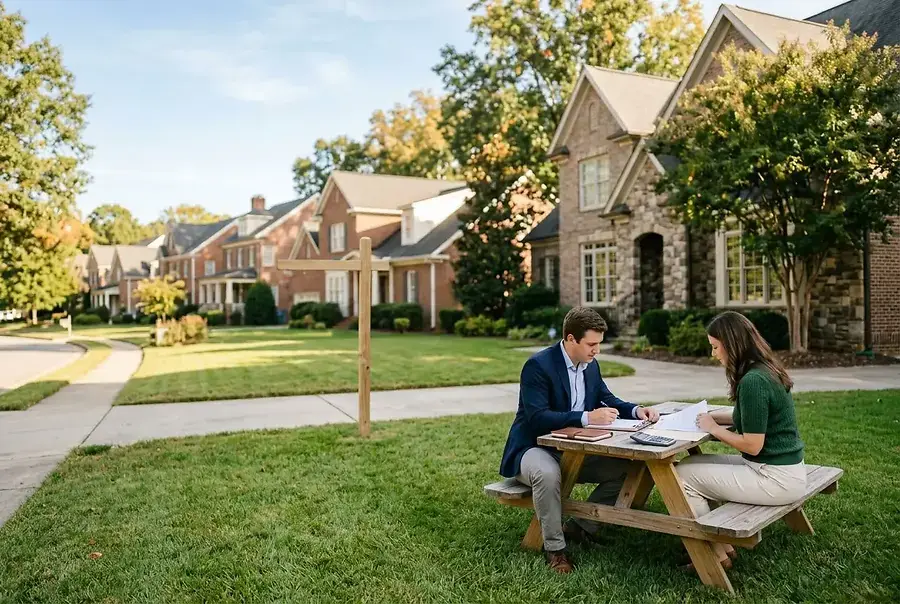
Understanding Raleigh's Property Tax Structure and Rates
Property taxes are a critical component of homeownership that many first-time buyers overlook when calculating the true cost of purchasing a home in Raleigh. Unlike mortgage payments that eventually end, property taxes are a permanent annual obligation that increases over time. Understanding how Raleigh's tax system works is the first step toward making a smart real estate investment.
In Wake County, where Raleigh is located, property taxes are calculated based on the assessed value of your home. The county assessor determines this value, which may differ from your purchase price. The tax rate, known as the millage rate, is applied to this assessed value. Currently, Raleigh's effective property tax rate is approximately 0.87% of the home's assessed value, though this can vary slightly depending on your specific location within the city.
How the Assessment Process Works
The Wake County assessor's office conducts periodic reassessments of all properties to ensure fair market valuations. These assessments consider factors such as:
- Square footage and lot size
- Age and condition of the property
- Recent comparable sales in the area
- Improvements and renovations
- Location and neighborhood characteristics
Understanding this process helps you anticipate potential tax increases and plan your budget accordingly. If you believe your assessment is unfair, you have the right to appeal it through the county's formal process.
How Property Taxes Influence Your Overall Home Buying Budget
Property taxes should be factored into your total cost of homeownership from day one. Many buyers focus solely on their mortgage payment and forget to account for this significant expense, which can lead to financial strain down the road.
Calculating Your Annual Tax Obligation
To estimate your annual property taxes, multiply your home's assessed value by the millage rate. For example, a home assessed at $350,000 in Raleigh would incur approximately $3,045 in annual property taxes. This translates to roughly $254 per month, which should be included in your monthly housing budget.
Pro tip: Many homeowners pay property taxes through their mortgage escrow account, where your lender collects a portion of the payment each month and pays the taxes on your behalf. This ensures you never miss a payment.
The Long-Term Financial Impact
Over a 30-year mortgage, property taxes can represent a substantial portion of your total housing costs. As your home's value appreciates—which is common in Raleigh's growing market—your tax burden will likely increase as well. This is why it's essential to budget conservatively and plan for potential tax increases when determining how much home you can afford.
Property taxes are not just a one-time cost; they're a permanent financial obligation that grows with your home's value and should be carefully considered in your long-term financial planning.
Strategies to Minimize Tax Burden on Your Raleigh Residential Investment
While you cannot eliminate property taxes, there are several legitimate strategies to reduce your tax burden and maximize your investment returns.
Homestead Property Tax Exemption
North Carolina offers a homestead property tax exemption that provides a $25,000 exemption on the assessed value of your primary residence. This exemption can save homeowners approximately $217 annually. To qualify, you must own and occupy the property as your primary residence and file for the exemption with the Wake County assessor's office.
Senior and Disability Exemptions
If you're 65 or older, or if you have a disability, you may qualify for additional property tax exemptions. These programs can provide substantial savings for eligible homeowners. Contact the Wake County assessor's office to determine your eligibility.
Appeal Your Assessment
If you believe your home's assessed value is too high, you have the right to appeal. Gather comparable sales data from your neighborhood and present evidence that your home's assessment exceeds its fair market value. Many successful appeals result in reduced assessments and lower tax bills.
Energy-Efficient Improvements
Some jurisdictions offer tax incentives for energy-efficient home improvements. While North Carolina's incentives are limited, making your home more efficient can reduce utility costs and increase resale value, offsetting some of your tax burden.
Making an Informed Decision: Comparing Tax Costs Across Raleigh Neighborhoods
Property taxes can vary significantly across different Raleigh neighborhoods due to differences in home values and local tax rates. Comparing tax costs should be part of your neighborhood selection process.
High-Value Neighborhoods
Neighborhoods like Wade Avenue, Ridgewood, and North Hills feature higher-priced homes and consequently higher property tax bills. A $500,000 home in these areas would incur approximately $4,350 in annual property taxes. However, these neighborhoods often offer excellent schools, established infrastructure, and strong appreciation potential.
Emerging Neighborhoods
Newer developments on Raleigh's outskirts, such as areas near North Raleigh and East Raleigh, often feature lower home prices and reduced property tax obligations. A $300,000 home in these areas would cost approximately $2,610 annually in property taxes. These neighborhoods offer affordability and growth potential for investors.
Creating Your Comparison Matrix
When evaluating neighborhoods, create a spreadsheet comparing:
- Average home prices in each neighborhood
- Estimated annual property tax costs
- School district quality ratings
- Proximity to employment centers
- Historical appreciation rates
- Future development plans
This comprehensive analysis ensures you're not just choosing based on price, but on the overall value proposition of your investment.
Working with a Local Real Estate Professional
A knowledgeable Raleigh real estate agent can provide detailed tax information for specific properties and neighborhoods. They understand local market trends and can help you identify neighborhoods that offer the best balance between affordability and appreciation potential.
Conclusion
Property taxes are a permanent part of homeownership that deserves careful consideration in your purchasing decision. By understanding Raleigh's tax structure, calculating your potential obligations, exploring available exemptions, and comparing costs across neighborhoods, you can make an informed investment decision that aligns with your financial goals. Don't let property taxes catch you by surprise—factor them into your budget from the beginning and enjoy the benefits of homeownership in Raleigh with confidence.