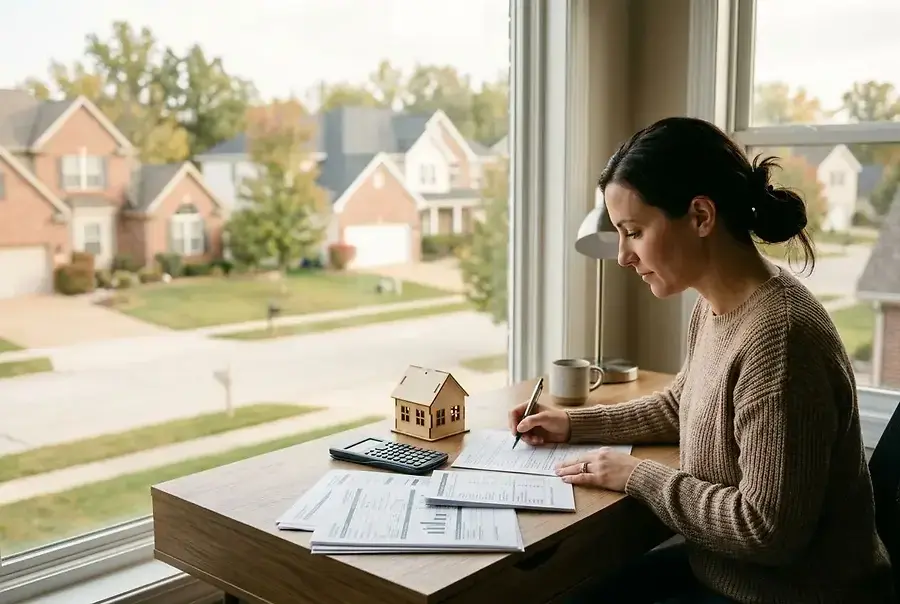
Introduction: The Hidden Cost of Homeownership
When purchasing a home in southwestern Illinois, most buyers focus on the mortgage payment, down payment, and closing costs. However, one of the most significant ongoing expenses often catches new homeowners by surprise: property taxes. Unlike many states, Illinois residents face some of the highest property tax rates in the nation, making it essential for southwestern community homebuyers to understand how these taxes work and impact their long-term financial planning.
Property taxes represent a substantial portion of your annual homeownership costs and directly influence your monthly housing expenses. For many families, property taxes can rival or even exceed mortgage interest payments over the life of a loan. Understanding this "hidden cost" of homeownership is crucial before making your purchase decision in any southwestern Illinois community.
How Illinois Property Tax Assessments Work for Residential Properties
The Assessment Process
Illinois property taxes begin with a property assessment, which determines the estimated fair market value of your home. County assessors conduct these assessments periodically, typically every three to four years in most southwestern Illinois counties. The assessment process involves:
- Physical inspection of your property's condition and features
- Comparison with similar properties recently sold in your area
- Analysis of market trends and property characteristics
- Documentation of improvements or modifications to the home
From Assessment to Tax Bill
Once your home's fair market value is established, the actual property tax calculation follows a specific formula. Your assessed value is typically 33.33% of the fair market value (known as the assessment level). This assessed value is then multiplied by the local tax rate, which varies significantly across southwestern Illinois communities.
For example, if your home's fair market value is assessed at $300,000, your assessed value would be approximately $100,000. If your local tax rate is 1.2%, your annual property tax would be $1,200, or about $100 per month.
Tax Rate Components
Your property tax bill supports multiple local services and entities, including:
- School districts and educational services
- County government operations
- Municipal services and infrastructure
- Fire and police protection
- Library systems and public facilities
- Special taxing districts and improvements
Comparing Tax Rates Across Southwestern Illinois Communities
Regional Variations
Property tax rates in southwestern Illinois vary considerably from community to community. Some municipalities maintain tax rates below 1%, while others exceed 1.5% or higher. This variation stems from differences in local government spending, school district funding needs, and community infrastructure requirements.
Before purchasing a home, research the specific tax rates in your target community. A difference of just 0.3% in tax rates can mean hundreds of dollars annually on a typical home purchase.
Factors Affecting Local Tax Rates
Several factors influence why tax rates differ across southwestern Illinois:
- School District Quality: Communities with highly-rated schools often have higher tax rates due to increased educational funding
- Municipal Services: Towns offering extensive services typically charge higher rates
- Infrastructure Needs: Communities investing in new infrastructure may temporarily increase tax rates
- Population Density: More densely populated areas often distribute costs across more taxpayers
- Economic Development: Communities with strong commercial tax bases may maintain lower residential rates
Researching Your Specific Community
Contact your county assessor's office or visit their website to find current tax rates for properties you're considering. Most southwestern Illinois counties provide online resources showing historical tax rates and assessment information. Real estate agents familiar with the area can also provide valuable insights into how taxes compare across different neighborhoods.
Strategies to Minimize Your Property Tax Burden as a Homeowner
Challenge Your Assessment
If you believe your property has been overassessed, you have the right to challenge the assessment. This is one of the most effective ways to reduce your property tax burden. Most southwestern Illinois counties allow homeowners to file appeals during specific periods. You'll need to provide evidence such as:
- Recent appraisals showing lower property values
- Comparable sales data from similar properties
- Documentation of property defects or needed repairs
- Professional assessment reports
Explore Homeowner Exemptions
Illinois offers several exemptions that can reduce your property tax liability:
- Homeowner Exemption: Reduces assessed value by up to $7,000 for primary residences
- Senior Citizen Exemption: Additional relief for homeowners age 65 and older
- Disabled Person Exemption: Available for homeowners with disabilities
- Veteran Exemptions: Special considerations for qualifying veterans
Verify your eligibility and ensure you've applied for all applicable exemptions. Missing an exemption means paying unnecessary taxes year after year.
Maintain Your Property
Regular maintenance and improvements can paradoxically help with tax assessments. While major renovations increase assessed value, maintaining your property prevents assessors from noting deferred maintenance, which could inflate assessments. Keep records of maintenance and repairs to support assessment appeals if needed.
Monitor Assessment Changes
Stay informed about reassessment cycles in your community. When your property is reassessed, review the new assessment carefully. Many homeowners successfully reduce taxes simply by catching assessment errors or providing updated information about their properties.
Work with a Tax Professional
Consider consulting with a property tax consultant or attorney specializing in tax appeals. While this involves an upfront cost, the savings from a successful appeal often justify the expense, particularly for higher-value properties.
Conclusion: Making Informed Tax-Aware Home Purchases
Property taxes represent a significant long-term commitment for southwestern Illinois homebuyers. By understanding how assessments work, comparing rates across communities, and implementing strategies to minimize your burden, you can make more informed purchasing decisions and protect your financial interests.
Before finalizing any home purchase in southwestern Illinois, take time to research property tax implications. Factor estimated annual taxes into your total housing cost calculations. Remember that a home with a lower purchase price in a high-tax community might ultimately cost more than a slightly more expensive home in a lower-tax area.
Armed with this knowledge, you'll be better positioned to find not just a house you love, but a property that makes financial sense for your family's long-term goals and budget.
